It is known that phosphatidylinositol 5-phosphate 4-kinase, type II, γ (PIP4K2C) is a lipid kinase tied to poor outcomes in a variety of cancers, such as colorectal (CRC) and breast cancers. In the search for PIP4K2C degraders, researchers from Larkspur Biosciences Inc. discovered LRK-4189, a cereblon-mediated PIP4K2C degrader.
At last week’s American Chemical Society meeting, Novartis AG presented the discovery of IID-432, a highly efficacious and safe inhibitor of Trypanosoma cruzi topoisomerase 2 (Top2), offering a short-duration curative treatment for Chagas disease.
Researchers from Arkansas State University synthesized a library of thiazole derivatives, and these compounds were subsequently screened for their antibacterial activity both in vitro and in vivo.
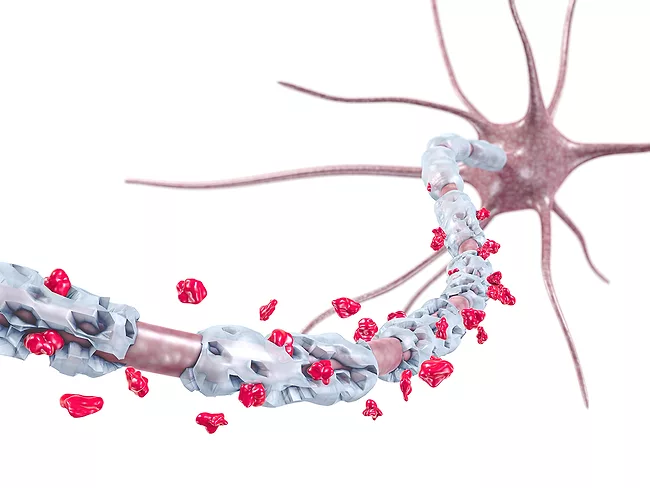
Inhibiting emopamil binding protein (EBP), an enzyme involved in cholesterol biosynthesis, promotes the formation of oligodendrocytes, a potential approach for the management of multiple sclerosis (MS); Genentech Inc. has presented data regarding their oral and brain-penetrant EBP inhibitor GNE-3406.
Genfleet Therapeutics Co. Ltd. has presented preclinical data on their KRAS G12C inhibitor fulzerasib, also known as GFH-925, the third approved KRAS G12C inhibitor for treating non-small-cell lung cancer (NSCLC).
RAS is the most mutated oncogene in cancer (about 30% rate), where mutations in KRAS are the most prevalent. The approval of covalent KRAS G12C inhibitors has shown allosteric inhibition of KRAS to be a feasible therapeutic strategy, and there is interest in developing new KRAS-directed therapies to target additional KRAS mutants. Amgen has presented data regarding its pan-KRAS inhibitor AMG-410.