Momentum is building at Jnana Therapeutics Inc. The firm has raised $107 million in a series C round and banked another $50 million up front from a new drug discovery and development pact with Roche Holding AG, which could potentially deliver significant near-term milestones and more than $2 billion in future milestone payments. It also commenced recruitment onto a first-in-human study of its lead drug candidate, JNT-517, an inhibitor of the phenylalanine transporter SLC6A19, which is in development for phenylketonuria.
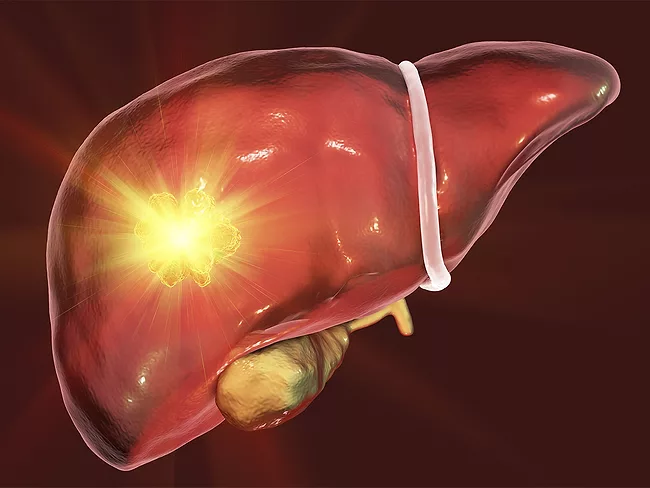
It’s been a long road, but Astrazeneca plc’s anti-CTLA4 antibody, tremelimumab, finally earned its first U.S. FDA nod, cleared for use in combination with anti-PD-L1 drug Imfinzi (durvalumab) to treat patients with unresectable hepatocellular carcinoma (HCC). The commercial impact of the dual checkpoint therapy, however, remains to be seen, as it goes up against Roche Holding AG’s combination of Avastin (bevacizumab) and Tecentriq (atezolizumab), which gained standard-of-care status in first-line HCC in 2021.
In its first oncology licensing collaboration, Hookipa Pharma Inc. is partnering with Roche Holding AG to develop an arenaviral for treating KRAS-mutated cancers. Roche will pay $25 million up front to Hookipa, which could ultimately bring in about $930 million in milestone-based payments as part of the deal.
Researchers at the Walter and Eliza Hall Institute of Medical Research (WEHI) in Melbourne, Australia, have developed a new genome editing technique than can activate any gene, including those that have been silenced, allowing new drug targets and causes of drug resistance to be explored.
Cancer-associated fibroblasts (CAF) expressing the LRRC15 protein (leucine-rich repeat-containing protein 15) could be responsible for the suppression of antitumor immunity, according to a study using mouse models of pancreatic cancer. Scientists from Roche Holding AG subsidiary Genentech Inc. demonstrated in vivo that TGF-β type 2 receptor signaling in healthy universal fibroblasts produces cancer-associated LRRC15+ myofibroblasts.
Researchers at the Walter and Eliza Hall Institute of Medical Research (WEHI) in Melbourne, Australia, have developed a new genome editing technique than can activate any gene, including those that have been silenced, allowing new drug targets and causes of drug resistance to be explored.
Researchers from Roche Holding AG disclosed the discovery and preclinical evaluation data for RG-7774 (vicasinabin), a novel cannabinoid CB2 receptor (CB2R) agonist being developed for the treatment of diabetic retinopathy (DR).
For privately held Good Therapeutics Inc., founded in 2016 with a platform technology for developing context-dependent therapeutics, the plan had always been to seek a buyer for the first asset to emerge. One came along a little earlier than expected, as Roche Holding AG entered a merger agreement for Good, picking up preclinical-stage PD-1-regulated IL-2 program, in exchange for an up-front cash payment of $250 million.
China has upheld a recent ruling on a dispute between Chugai Pharmaceutical Co. Ltd. and Wenzhou Haihe Pharmaceutical Co. Ltd. over a generic form of an osteoporosis treatment. The move is seen as an indicator that patent protection for drugs has improved in China.
A subsidiary of Jiangxi Jemincare Group Co. Ltd. has out-licensed global rights to its androgen receptor degrader JMKX-002992 to Roche Holding AG and its subsidiary Genentech Inc. in a deal worth up to $650 million.