Sysnav Healthcare SA and Roche Holding AG entered a new collaboration to develop digital endpoints for use in clinical trials of therapies for a range of neuromuscular disorders. The alliance combines Sysnav’s expertise in wearable technologies and movement evaluation with Roche’s clinical experience. It builds on an existing collaboration that led to the qualification of the world’s first digital endpoint, for evaluating therapies in development for Duchenne muscular dystrophy (DMD). They now aim to put that experience to work in widening its application to other disorders in which movement is a key parameter.
In the wake of ongoing criticism over the U.S. FDA’s 2021 accelerated approval of Biogen Inc.’s Alzheimer’s drug, Aduhelm, the percentage of novel drugs receiving accelerated approval last year was the lowest it’s been since 2018.
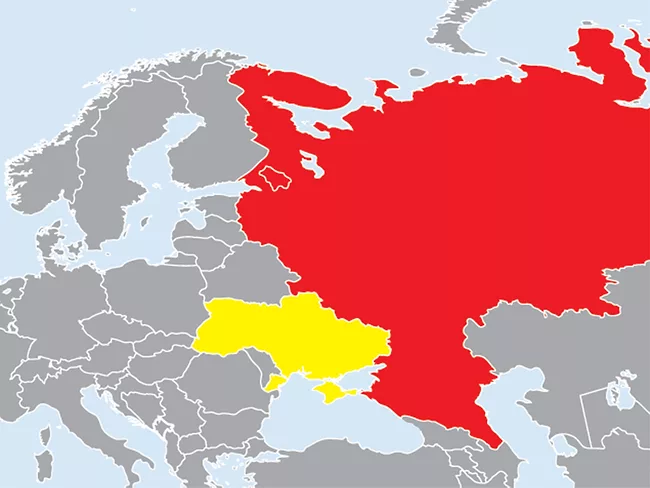
It was a year of turmoil in Europe as Russia’s invasion of Ukraine and the fall-out from the COVID-19 pandemic shaped the fortunes of the life sciences industry in 2022. After years of tension, Russia’s attempt to annex Ukraine on Feb. 24 caused outrage and disruption and was unanimously opposed on humanitarian grounds by the life sciences and pharma industry.
Roche has synthesized pyruvate dehydrogenase kinase 1 (PDK1) inhibitors reported to be useful for the treatment of systemic lupus erythematosus, psoriasis, inflammatory bowel diseases, idiopathic pulmonary fibrosis, chronic obstructive pulmonary disease and cancer.
Britain’s National Institute for Health and Care Excellence (NICE), a key gatekeeper on the path to the U.K. market, is backing away from five COVID-19 treatments. No longer recommended in a draft guidance were Ronapreve (casirivimab + imdevimab) from Roche Holding AG, Xevudy (sotrovimab) from GSK plc, and Evusheld (tixagevimab + cilgavimab) from Astrazeneca plc. NICE also recommended discontinuing use of Lagevrio (molnupiravir) from Merck and Co. Inc. and Veklury (remdesivir) from Gilead Sciences Inc.
Bonum Therapeutics Inc., a spinout of Good Therapeutics Inc., which Roche Holding AG acquired in August, has announced a US$93 million series A financing. Bonum is developing new therapies based on the proprietary platform of allosterically regulated, conditionally active therapeutics developed by Good Therapeutics. The core platform makes possible the engineering and development of a wide range of medicines.
Momentum is building at Jnana Therapeutics Inc. The firm has raised $107 million in a series C round and banked another $50 million up front from a new drug discovery and development pact with Roche Holding AG, which could potentially deliver significant near-term milestones and more than $2 billion in future milestone payments. It also commenced recruitment onto a first-in-human study of its lead drug candidate, JNT-517, an inhibitor of the phenylalanine transporter SLC6A19, which is in development for phenylketonuria.
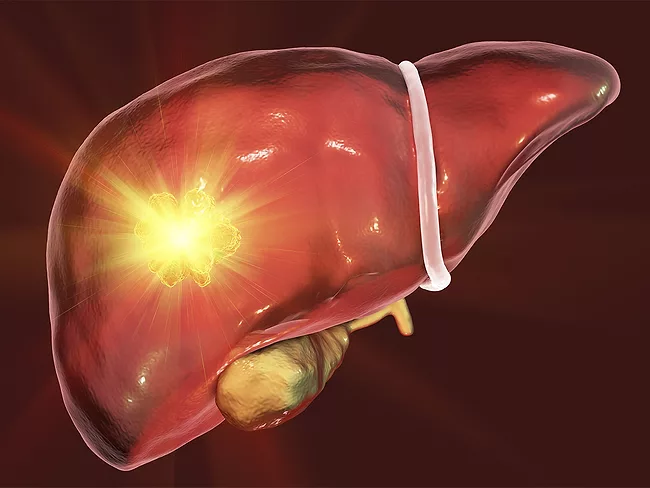
It’s been a long road, but Astrazeneca plc’s anti-CTLA4 antibody, tremelimumab, finally earned its first U.S. FDA nod, cleared for use in combination with anti-PD-L1 drug Imfinzi (durvalumab) to treat patients with unresectable hepatocellular carcinoma (HCC). The commercial impact of the dual checkpoint therapy, however, remains to be seen, as it goes up against Roche Holding AG’s combination of Avastin (bevacizumab) and Tecentriq (atezolizumab), which gained standard-of-care status in first-line HCC in 2021.
In its first oncology licensing collaboration, Hookipa Pharma Inc. is partnering with Roche Holding AG to develop an arenaviral for treating KRAS-mutated cancers. Roche will pay $25 million up front to Hookipa, which could ultimately bring in about $930 million in milestone-based payments as part of the deal.
Researchers at the Walter and Eliza Hall Institute of Medical Research (WEHI) in Melbourne, Australia, have developed a new genome editing technique than can activate any gene, including those that have been silenced, allowing new drug targets and causes of drug resistance to be explored.