Earendil Labs will collaborate with Sanofi SA in a $1.8 billion license deal. Earendil, which specializes in artificial intelligence-based R&D for biologics, is getting $125 million up front and $50 million as a near-term payment. In return, Sanofi gets the exclusive global rights to the bispecific antibodies HXN-1002 and HXN-1003.
Despite missing a phase II study’s primary endpoint in moderate to severe asthma, Sanofi SA sees a way forward to a phase III program in the crowded disease space. Preliminary results showed the annualized exacerbation rate endpoint wasn’t met at the highest dosage of amlitelimab. Those numbers, at week 48, showed nominal significance at the medium dose.
Researchers from Sanofi SA reported the preclinical characterization of SAR-446159 (ABL-301), a bispecific antibody construct comprising an antibody targeting α-synuclein fused to an engineered antibody fragment that targets IGF-1R and functions as a blood-brain barrier (BBB) shuttle, known as the Grabody-B platform.
Sanofi SA gained U.S. FDA approval for fitusiran as a first-in-class siRNA therapy for hemophilia. Branded Qfitlia, the antithrombin-lowering therapy is indicated for use as a prophylactic treatment to prevent or reduce bleeding episodes in people with hemophilia A or B, with or without inhibitors.
Sanofi SA gained U.S. FDA approval for fitusiran as a first-in-class siRNA therapy for hemophilia. Branded Qfitlia, the antithrombin-lowering therapy is indicated for use as a prophylactic treatment to prevent or reduce bleeding episodes in people with hemophilia A or B, with or without inhibitors, and joins the small but growing group of non-factor therapy options, with the advantage of a broad label and a convenient dosing regimen.
Sanofi SA is getting deeper into oncology and immunology therapy development through buying Dren Bio Inc.’s myeloid cell engager for deep B-cell depletion, DR-0201. The deal could reach as high as $1.9 billion for privately held Dren. Sanofi is paying a hefty $600 million up front, and milestone payments to come could add up to $1.3 billion.
Sanofi SA has described Mas-related G-protein coupled receptor member X2 (MRGPRX2) antagonists reported to be useful for the treatment of allergy, pain, dermatological and inflammatory disorders.
Signal transducer and activator of transcription 6 (STAT6) is a member of the STAT family involved in the regulation of immune response and inflammation. The development of SH2 domain inhibitors targeting STAT6 may help prevent and treat allergic diseases, asthma, atopic dermatitis or other Th2-driven immune conditions. Researchers from Recludix Pharma Inc. have presented the preclinical profiles of REX-8756 and REX-4671, two STAT6 inhibitors being developed in partnership with Sanofi SA.
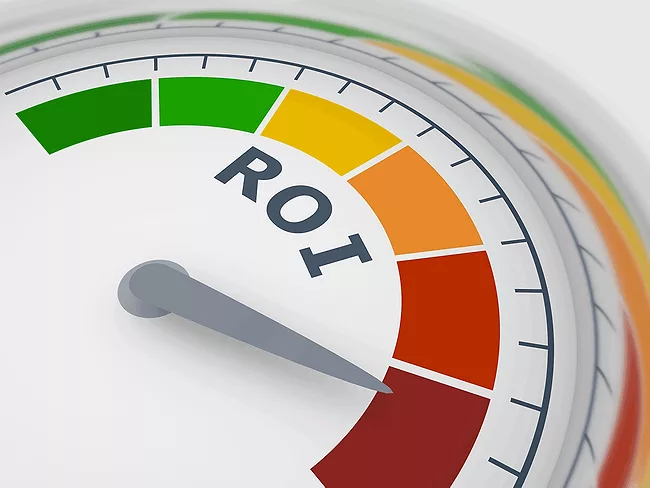
BioWorld’s three-part analysis of M&As sought to discover successful transactions and to understand the trend of multibillion-dollar deals that have become commonplace in the last decade. Instead, more than 80% of the acquisitions explored simply indicate that buyers are paying too much, suggesting that transactions meant to restore pipelines and revenues with innovative and marketed products are sometimes akin to high-stakes gambling. In part three, the final part of this series, we examine four more disappointments in which the return on investment (ROI) remains well behind the price paid in acquiring the company.