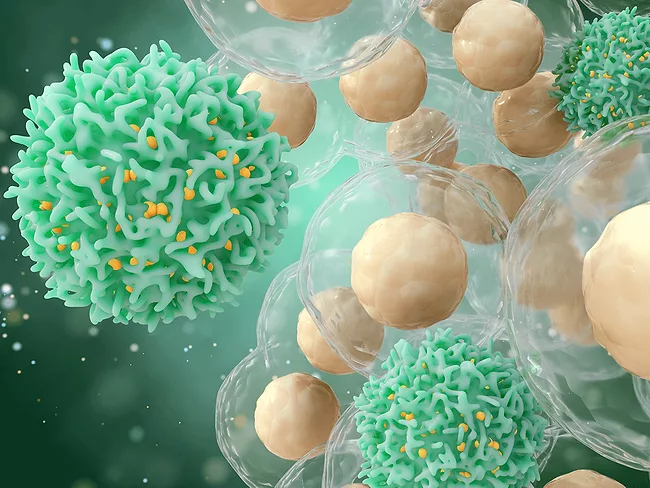
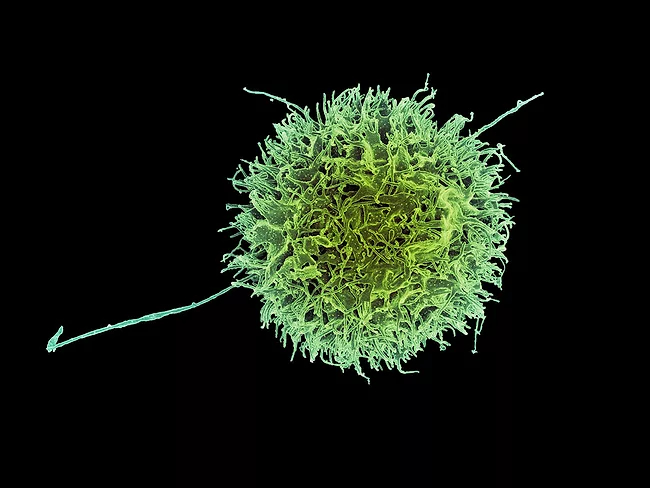
For 75 years, the standard tools for autoimmune disease have consisted of steroids, cytotoxics and broad biologics that tamp down the entire immune system. They can help, but they are rarely curative. “They’re blunt instruments,” Regcell Inc. CEO Mike McCullar told BioWorld. “They can’t distinguish good immune cells and bad immune cells,” which is why many carry black-box warnings and must be taken for years, sometimes for life.
For 75 years, the standard tools for autoimmune disease have consisted of steroids, cytotoxics and broad biologics that tamp down the entire immune system. They can help, but they are rarely curative. “They’re blunt instruments,” Regcell Inc. CEO Mike McCullar told BioWorld. “They can’t distinguish good immune cells and bad immune cells,” which is why many carry black-box warnings and must be taken for years, sometimes for life.
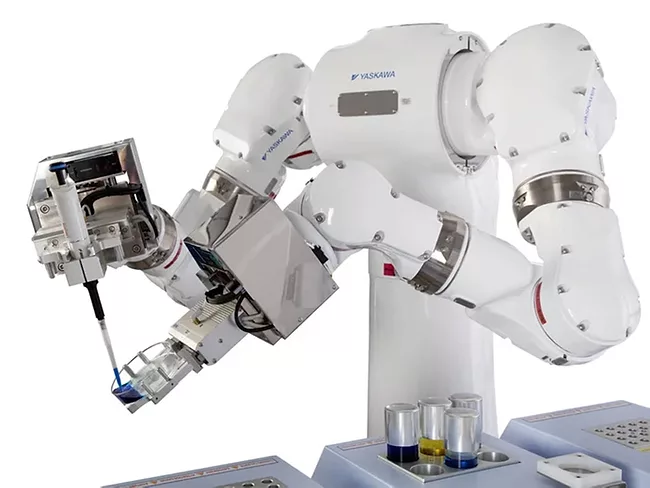
Astellas Pharma Inc. is setting up a joint venture with Yaskawa Electric Corp. to develop a new cell production platform using Yaskawa’s dual-arm humanoid robot called Maholo.
Astellas Pharma Inc. is setting up a joint venture with Yaskawa Electric Corp. to develop a new cell production platform using Yaskawa’s dual-arm humanoid robot called Maholo.
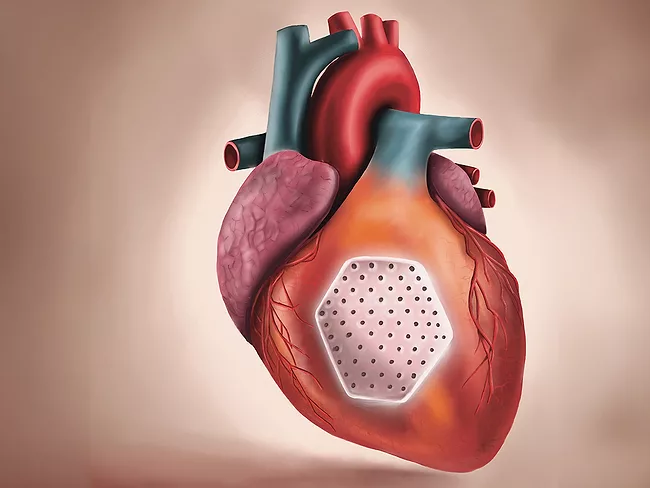
Implanted patches of iPS cell-derived heart muscle integrated with heart tissue in a primate model of heart failure, and in patients being treated in a clinical trial, marks progress toward a potential option for patients with advanced heart failure.
Implanted patches of iPS cell-derived heart muscle integrated with heart tissue in a primate model of heart failure, and in patients being treated in a clinical trial, marks progress toward a potential option for patients with advanced heart failure.
Implanted patches of iPS-derived heart muscle integrated with heart tissue in a primate model of heart failure, and in patients being treated in a clinical trial, marks progress toward a potential option for patients with advanced heart failure.
The University of Texas MD Anderson Cancer Center has launched its Institute for Cell Therapy Discovery & Innovation, which seeks to build upon MD Anderson clinical and research expertise to advance impactful cell therapies.
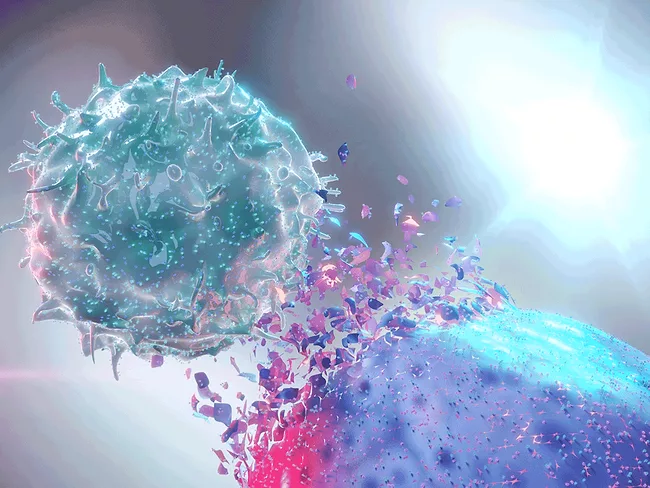
Chimeric antigen receptor (CAR) T-cell therapies (CAR T) have proven effective in several hematological cancers and are advancing across the pipelines of other types of tumors with limited efficacy, such as in the more complex environment of solid tumors.
Kytopen Corp. has received a phase II Small Business Innovation Research (SBIR) grant of $1.6 million from the NIAID/NIH to support preclinical studies of its engineered natural killer (NK) cells. The funding will be used to conduct in vivo preclinical studies, which will be conducted by Charles River Laboratories
 RSS
RSS