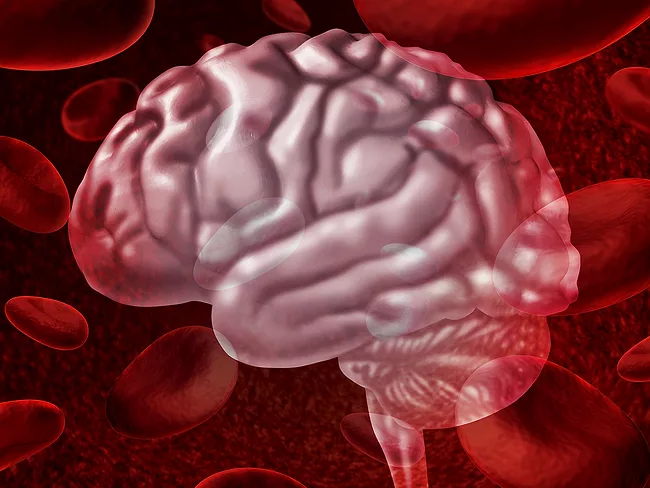
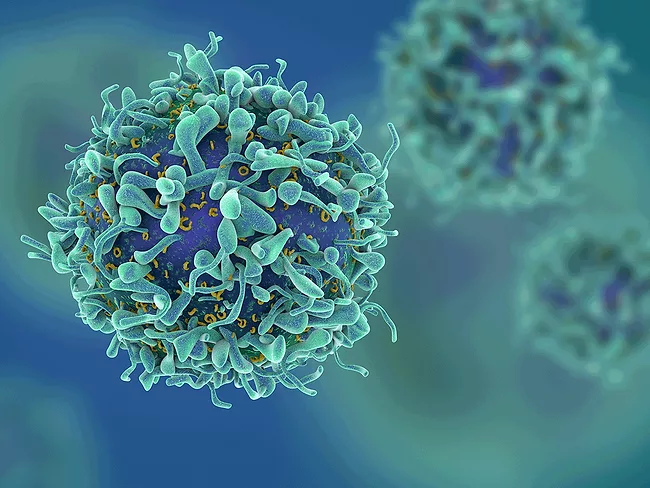
Synthetic cells (SCs) armed with recombinant growth factors could contribute to tissue regeneration and healing by promoting angiogenesis. This technology opens the door to its application in other therapies such as transplants that require the remodeling or formation of new blood vessels. In addition, they mark the way to produce intracorporeal biological drugs or the inhibition of the angiogenesis process itself when it comes to blocking the irrigation of a tumor.
Immune checkpoint inhibitors are useful for the treatment of solid tumors, but in many tumors, only partial response is achieved. The antitumoral efficacy of Enlivex Therapeutics Ltd.'s Allocetra-OTS, a cellular therapy, was investigated in animal models of solid tumors.
While U.S. lawmakers continue their debate on reducing spending for prescription drugs, government payers are exploring innovative reimbursement ideas to cover gene and cell therapies that could cost millions of dollars for a cure or a durable effect against rare diseases.
Collectively, lysosomal storage disorders (LSDs) are caused by malfunctions in metabolic enzymes in the lysosome system. Depending on which enzyme is missing, toxic metabolites accumulate. While the LSDs are highly heterogenous – even within one disease, presentation can vary widely – neurodegeneration is a common feature in these disorders.
New and updated preclinical and clinical data presented by biopharma firms at the American Society of Gene & Cell Therapy annual meeting, including: AGTC, Dyne, Genenta, Luye, Metagenomi, Otonomy, Regenxbio, Tessa, Ultragenyx.
Collectively, lysosomal storage disorders (LSDs) are caused by malfunctions in metabolic enzymes in the lysosome system. Depending on which enzyme is missing, toxic metabolites accumulate. While the LSDs are highly heterogenous – even within one disease, presentation can vary widely – neurodegeneration is a common feature in these disorders.
New and updated preclinical and clinical data presented by biopharma firms at the American Society of Gene & Cell Therapy annual meeting, including: 4D, Affinia, Arcellx, Generation, Homology, Rocket, Sio Gene, Uniqure.
New and updated preclinical and clinical data presented by biopharma firms at the American Society of Gene & Cell Therapy annual meeting, including: Antion, Biomarin, Enochian.
New and updated preclinical and clinical data presented by biopharma firms at the American Society of Gene & Cell Therapy annual meeting, including: Adaptimmune, Akouos, Beam, Catamaran, Codiak, Dyno, Freeline, M6P, Neurogene, Passage, Phio, Poseida, Precision, Senti, Verve.
LONDON – A breakthrough technology for generating fully human T-cell receptors (TCR) is set to deliver next-generation T-cell therapies for treating solid tumors, following the €66 million (US$78.3 million) series A funding of T-knife GmbH.

 RSS
RSS