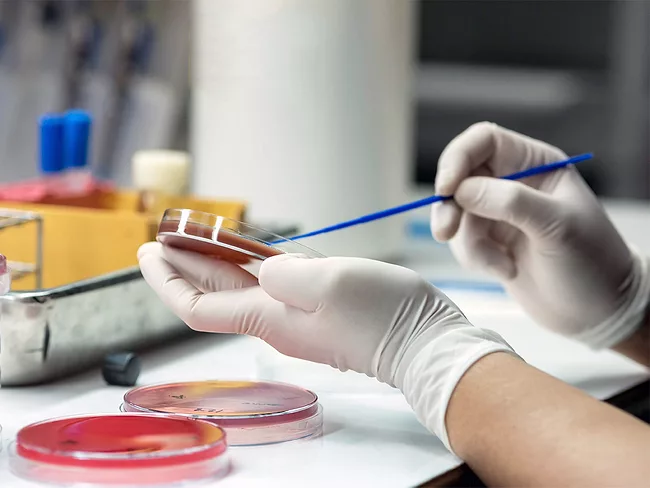
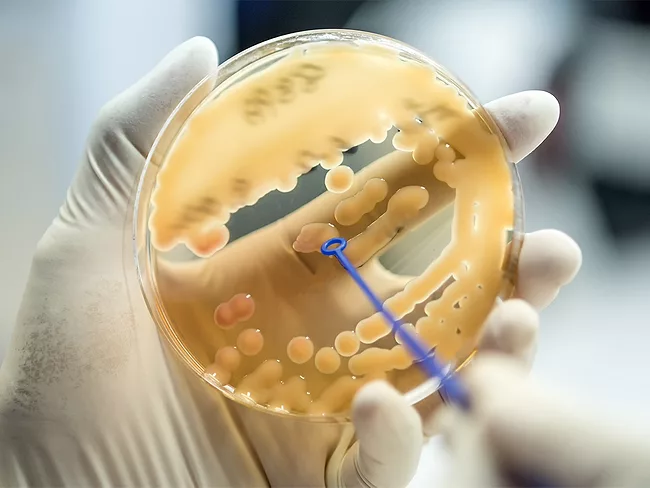
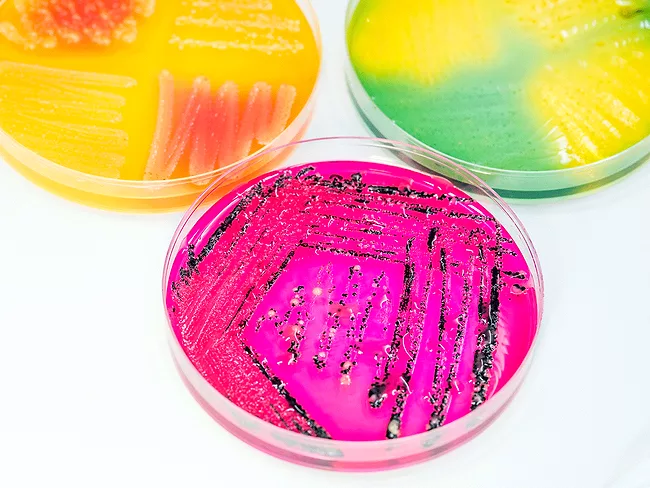
One in six common bacterial infections diagnosed worldwide in 2023 were resistant to treatment with antibiotics, according to the latest surveillance data gathered by the World Health Organization (WHO). Drug-resistant gram-negative bacteria that cause bloodstream infections that can lead to sepsis, organ failure and death are an increasing threat globally.
Tyra Biosciences Inc. recently presented the design and preclinical characterization of TYRA-200, an oral small-molecule FGFR1/2/3 tyrosine kinase inhibitor (TKI) that shows high potency against all common mutant forms of FGFR2 and holds potential for the treatment of cancers driven by FGFR2 alterations.
Bacteria also defend themselves against pathogen attacks using mechanisms like those of the immune system. But if there is a system to repel an attack, it can also be dismantled. Scientists at the University of Southampton have described the components of Kiwa, a protein complex that blocks the entry of phage DNA, which are viruses that infect bacteria. They have also uncovered how Kiwa interacts with other bacterial defense strategies.
The boronic acid transition state inhibitors S-02030 and MB-076 were strategically designed to be active against cephalosporinases and carbapenemases, especially KPC (Klebsiella pneumoniae carbapenemase).
Researchers from Hebei Normal University and affiliated organizations presented the discovery and preclinical characterization of a novel B lymphoma Mo-MLV insertion region 1 (Bmi-1) expression inhibitor, APD-94, designed as an agent that could potentially overcome drug resistance in patients with colorectal cancer.
The Gates Foundation, Novo Nordisk Foundation and Wellcome have announced the launch of the Gram-Negative Antibiotic Discovery Innovator (Gr-ADI), a $50 million investment that will focus on combatting antimicrobial resistance (AMR) caused by a specific range of bacteria that are among the leading contributors to AMR-associated deaths.
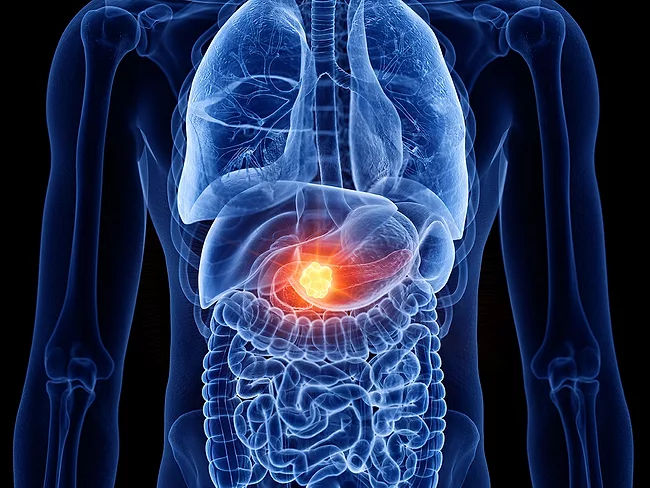
Understanding the mechanisms of resistance to cancer treatments is necessary to find effective therapies at different stages of the disease. Scientists at UT Southwestern Medical Center studied the most frequent mutation in pancreatic ductal adenocarcinoma (PDAC), identified an escape route to a therapy in clinical trials, blocked it with another experimental compound and reduced tumors in mice.
In a recently published study, researchers based at Université Paris-Saclay identified OXA-1186, a novel carbapenemase related to the previously known OXA-198 enzyme, in a clinical isolate of Citrobacter freundii. This discovery underscores the ongoing challenge of antibiotic resistance in bacterial pathogens.
Cancer therapies can eliminate specific tumors based on their genetic content. However, some cancer cells survive. How do they do it? Part of the answer lies in extrachromosomal DNA (ecDNA), an ace up the tumors’ sleeve to adapt and evade attack. Three simultaneous studies in the journal Nature lay all the cards on the table, revealing ecDNAs’ content, their origin, their inheritance, their influence in cancer, and a way to combat them.
Cancer therapies can eliminate specific tumors based on their genetic content. However, some cancer cells survive. How do they do it? Part of the answer lies in extrachromosomal DNA (ecDNA), an ace up the tumors’ sleeve to adapt and evade attack. Three simultaneous studies in the journal Nature lay all the cards on the table, revealing ecDNAs’ content, their origin, their inheritance, their influence in cancer, and a way to combat them.
 RSS
RSS