Chaos continues at the U.S. CDC and its Advisory Committee on Immunization Practices (ACIP) with the resignation of ACIP member Robert Malone and the impending deadline for the president to nominate a new CDC director following the dramatic exit last year of Susan Monarez and months of acting directors.
In August, a press release from HHS announced the cancellation of 22 vaccine research projects based on mRNA, the latest available technology aimed at developing therapies for viral infections, cancer, and genetic conditions. What happens to mRNA innovation when funding dries up? This series explores how reductions in funding could impact mRNA technology, affecting innovation, research and future therapies.
Several South Korean biotech and biopharmaceutical companies completed IND submissions or won nods to start clinical trials in either the U.S. or South Korea, including SK Bioscience Co. Ltd., Genosco Inc., Pimedbio Inc., Sillajen Inc. and Ami Pharm Co. Ltd.
Several South Korean biotech and biopharmaceutical companies completed IND submissions or won nods to start clinical trials in either the U.S. or South Korea, including SK Bioscience Co. Ltd., Genosco Inc., Pimedbio Inc., Sillajen Inc. and Ami Pharm Co. Ltd.
Chronic infection with hepatitis B virus affects around a quarter of a billion people globally, and it can increase risk of cirrhosis and hepatocellular carcinoma. Such infection is typically treated with nucleoside analogues, which do not eliminate it entirely. Therefore researchers have been searching for effective vaccines that could work not only in the classical sense of preventing infection from becoming chronic, but also in a therapeutic sense of curing already chronic infection.
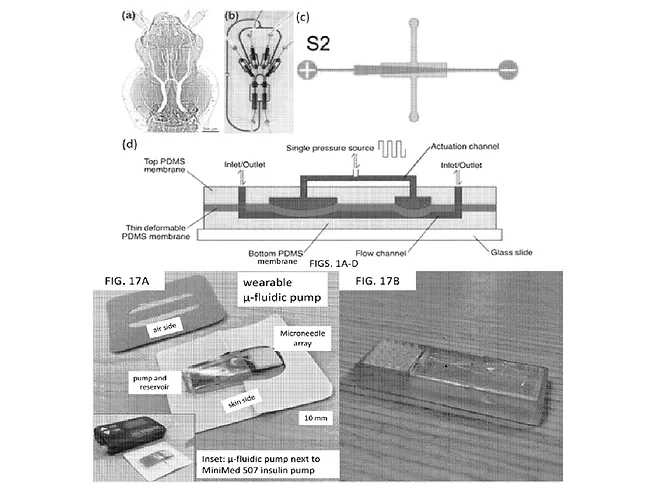
Researchers from Virginia Polytechnic Institute and State University filed for protection of their development of a slim, painless, and affordable microfluidic infusion pump device for the continuous transdermal delivery of drugs.
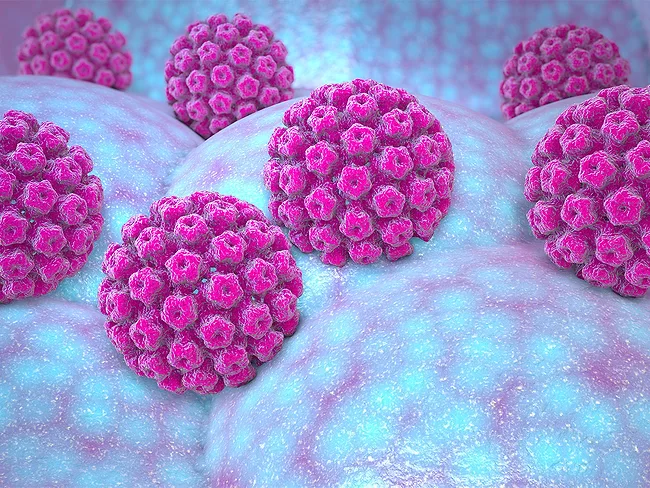
A group of scientists at Shanghai Virogin Biotech Co. and Zhujiang Hospital in China designed a new mRNA vaccine that could prevent tumor formation associated with human papillomavirus 16 (HPV16) and also reduce its size if used as a treatment.
Immuno Technologies Inc. and affiliated organizations have published preclinical data on a novel parainfluenza virus 5 (PIV5)-vectored intranasal vaccine for Lyme disease.
A vaccine based on messenger RNA (mRNA) technology against four surface proteins of the envelope and the inner membrane of the mpox virus (MPXV) demonstrated its efficacy in two animal models. Biontech SE scientists designed and tested two different combinations of antigens in mice and macaques for the two infective forms of the virus. One of them showed better results for its evaluation in clinical trials preventing the disease.
 RSS
RSS