In September 2025, BioWorld recorded 230 clinical trial updates spanning phases I through III, up sharply from 95 in August, 140 in July and just below 254 in June. Among these, 22 phase III trials reported positive outcomes, while four ended in failure and another three produced mixed results.
Although Argenica Therapeutics Ltd.’s stroke drug, ARG-007, saw mixed results in top-line phase II data, new data in functional outcomes studies showed signs the drug helped patients think more clearly, regain independence, and enjoy a better quality of life after stroke.
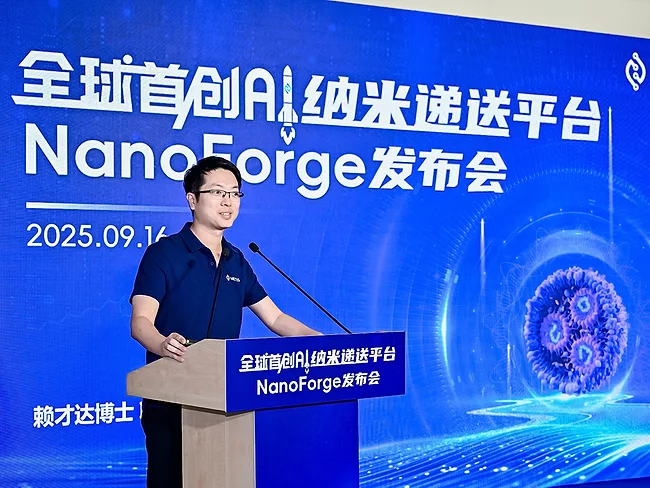
Based on positive phase III study results, Metis Techbio is planning to file an NDA for its AI-derived orally disintegrating tablet drug candidate for pseudobulbar affect, MTS-004, in China next year.
Hanmi Pharmaceutical Co. Ltd. announced Oct. 27 that its glucagon-like peptide-1 receptor agonist, efpeglenatide (HM-11260C), met the co-primary endpoints in a phase III study of obese adults without diabetes.
An examination of X-ray and MRI scans of 518 patients before and after treatment with Levicept Ltd.’s Levi-04 has shown that, in addition to providing significant analgesia, the selective neurotrophin-3 inhibitor may have a disease-modifying effect in osteoarthritis of the knee.
Penumbra Inc.’s 'resoundingly positive' results from its STORM-PE trial could see current guidelines for anticoagulant use in pulmonary embolism swept away in favor of mechanical thrombectomy. A deluge of favorable comments by experts and analysts followed the presentation during a late-breaking session at Transcatheter Cardiovascular Therapeutics, the annual scientific symposium of the Cardiovascular Research Foundation, which showed more than 50% improvement in treatment effect from Penumbra’s computer-assisted vacuum thrombectomy system plus anticoagulation compared to anticoagulation alone within two days with no increase in major adverse events.
In San Francisco, the first day of Transcatheter Cardiovascular Therapeutics 2025 annual meeting offered presentations on the future of the convergence of devices, drugs and AI. The takeaway from the session seems to be that while the future is bright, it will become the present only when payers can find an economic argument to pay for the advances formed by this convergence.
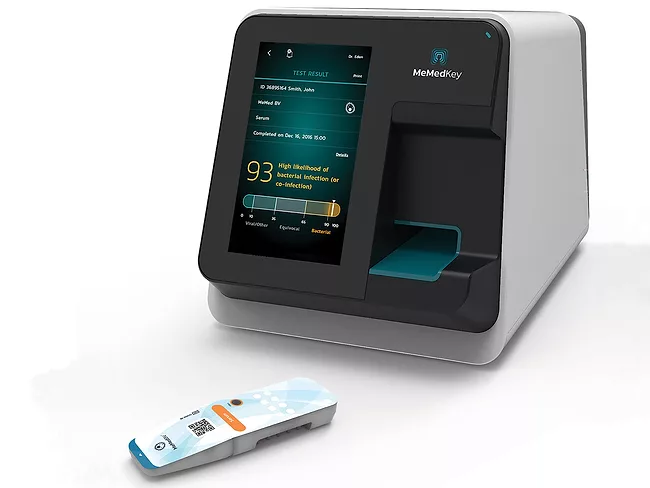
Trials are being conducted at three pediatric emergency departments in England of the Memed BV rapid blood test, designed to help health care providers distinguish between bacterial and viral infections. The test developed by Memed Diagnostics Ltd. can deliver results in as little as 15 minutes, speeding up the diagnosis of serious conditions such as sepsis or meningitis in children.
Based on positive phase III study results, Metis Techbio is planning to file an NDA for its AI-derived orally disintegrating tablet drug candidate for pseudobulbar affect, MTS-004, in China next year.
Although Argenica Therapeutics Ltd.’s stroke drug, ARG-007, saw mixed results in top-line phase II data, new data in functional outcomes studies showed signs the drug helped patients think more clearly, regain independence, and enjoy a better quality of life after stroke.

 RSS
RSS