Artificial intelligence (AI) is enabling a foundational understanding of drug discovery that is changing the typical pathway used in modern development. The powerful new computer technology will lead developers from conducting hypothesis-driven research to more and deeper data-driven research, Manolis Kellis, professor at the Computer Science and Artificial Intelligence Laboratory at the Massachusetts Institute of Technology (MIT) and an associate member at the Broad Institute of MIT and Harvard University, told those attending the BioFuture 2024 conference in New York on Oct. 28.
Currently, cancer therapy trial-and-error methodology is inefficient and unsustainable. Oncology is the worst therapeutic area for drug trial success; only 3.4% of drugs that enter phase I end up being FDA approved, and 57% fail due to poor drug efficacy in trials. Building tools that may aid in predicting an individual’s response to a specific therapy may help in reducing costs, guesswork, and importantly improve the outcome of patients and accelerate new drug development.
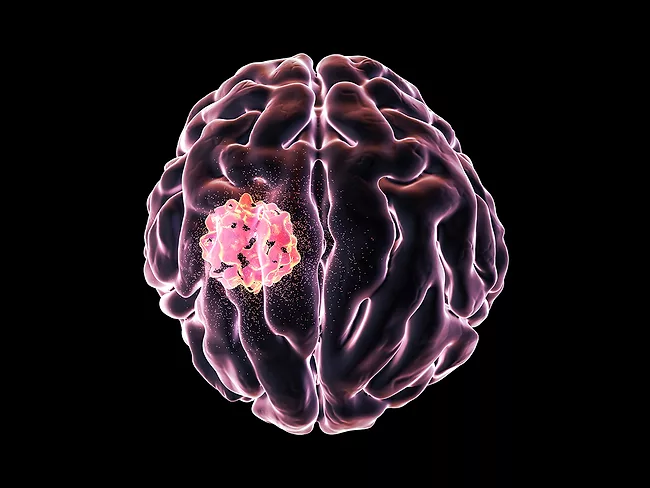
Scientists from different laboratories around the world have presented the latest advances in research into malignant brain tumors at the 31st Annual Congress of the European Society of Gene and Cell Therapy (ESGCT), which is being held Oct. 22 to 25 in Rome.
The Japanese government, industry and academia are deliberating health care policies and initiatives to boost Japan’s role in the future of regenerative medicine, experts at Bio Japan 2024 said, as the fruits of cell and gene therapy research come to fruition with new approvals.
Wall Street promptly began trying to weigh the compound’s marketplace odds after Merck & Co. Inc. detailed positive data from the phase IIb/III trial known as MK-1654-004 with clesrovimab, an investigational prophylactic monoclonal antibody designed to protect infants from respiratory syncytial virus (RSV) disease during their first RSV season. The results, plus interim findings from the ongoing phase III experiment dubbed MK-1654-007 were offered during IDWeek 2024 in Los Angeles.
U.S. biotechs and regulators ushered in the era of gene therapy in 2023, experts at Bio Japan said, but medical reform is needed to pave the way for the “year of cell therapy” in 2024 and implement wider access to ultra-expensive cell and gene therapies.
Virus is associated with sickness, but oncolytic virus therapies, which harness viruses to attack and kill cancer cells, may soon change the standard of treatment for cancer, including those long deemed uncurable like malignant glioma.
The Japanese government is throwing full weight behind the Bioeconomy Strategy initiative to position Japan’s biopharmaceutical industry as both a key driver of economic growth and global drug discovery hub.
Breakthrough – or even better, revolutionary breakthrough – is perhaps the most overused term in drug development. But the discovery and development of GLP-1 receptor agonists (GLP-1RAs), which was honored with the 2024 Lasker-DeBakey Clinical Medical Research Award just last week, is one of the rare innovations that is deserving of the title.
At the 2024 European College of Neuropsychopharmacology (ECNP) Congress, researchers have presented work that could lead to ways to boost brain development and prevent neurodegeneration in individuals with Down syndrome.
 RSS
RSS