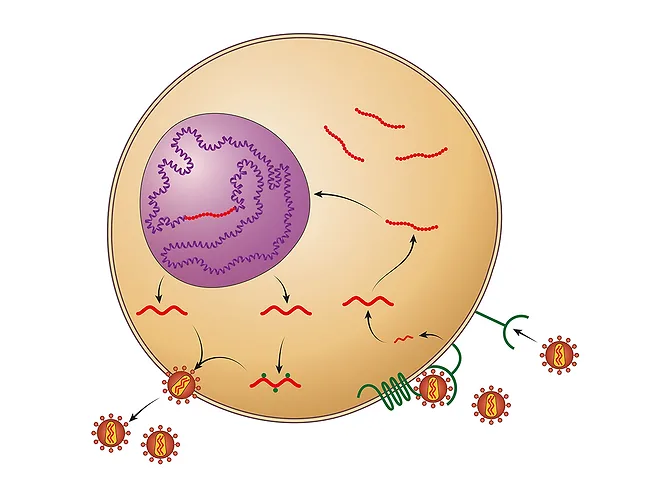
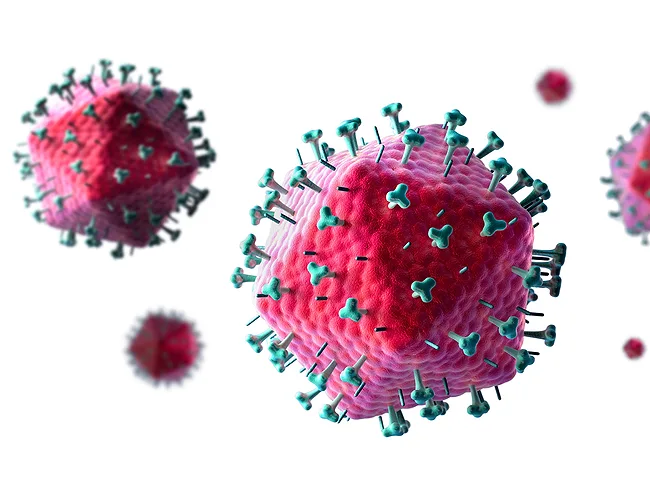
The scientific community continues to make progress at uncovering the elements that could lead to a cure for HIV. The virus remains latent in reservoirs that are difficult to eliminate, so researchers are pursuing two main strategies. The “shock-and-kill” approach aims to wake up latent virus and remove infected cells. “Block-and-lock” methods seek to silence the virus permanently. Other approaches focus on directly depleting the reservoir by making infected cells more susceptible to immune clearance or apoptosis without first reactivating viral expression.
Although antiretroviral therapy (ART) can suppress HIV to undetectable levels, a growing body of evidence suggests that the virus leaves a lasting biological imprint. At the 26th International AIDS Conference (AIDS 2026), researchers reported persistent abnormalities affecting the gut, cardiovascular system, metabolism and immune function despite effective viral control.
Taiwan’s biotechnology sector was built around domestic health needs, including vaccines and drug manufacturing, but it is increasingly looking outward – to international partnerships, licensing, clinical development and a bigger role in the global biomedical ecosystem.
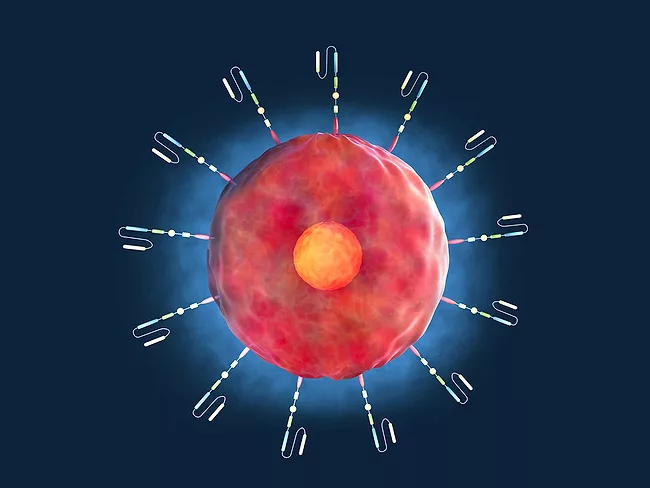
The field of cell and gene therapy is moving toward a new phase of scalability and clinical durability, with in vivo chimeric antigen receptor (CAR) T-cell therapeutics emerging as the dark horse in what speakers at BIO Asia-Taiwan 2026 described as CAR T’s second revolution.
Signs of recovery are emerging in the biotechnology investment sector, although investors across Asia say that capital is flowing selectively to companies that can demonstrate clinical differentiation, strong management teams and a clear path to commercialization.
Tuesday brought what was arguably the most anticipated presentation of the 2026 Alzheimer’s Association International Conference when Catherine Mummery, head of novel therapeutics at University College London’s Dementia Research Center, presented data from the phase II Celia trial of tau-lowering antisense oligonucleotide diranersen (BIIB-080, Biogen Inc.). Based on both clinical and biomarker data, “Celia establishes a proof of concept,” Mummery said, that reducing tau may slow the progression of Alzheimer’s disease.
The Alzheimer’s Association International Conference (AAIC) is the world’s biggest dementia conference. And at the AAIC 2026 meeting, there is big buzz around tau. Sunday’s plenary speaker Ryan Watts, CEO of Denali Therapeutics Inc., highlighted tau-lowering agents as being among the most exciting themes of the conference. “At this conference, we’re going to see additional clinical data that may validate [tau as] a second target in Alzheimer’s disease, amyloid being the first,” he told the audience.
Whether by fine-tuning neurotransmitter signaling or silencing disease-associated genes, emerging biologic therapies are reshaping neuroscience drug development, according to presentations at the FENS Forum 2026.
At the recently opened FENS Forum 2026 in Barcelona – the Federation of European Neuroscience Societies’ flagship congress and Europe’s largest neuroscience meeting – a symposium on ectodomain shedding showcased how soluble synaptic proteins are emerging as both biomarkers and therapeutic candidates for disorders ranging from autism to schizophrenia.
Separate research teams have reported new insights into resistance mechanisms to the antibody-drug conjugate (ADC) Padcev (enfortumab vedotin, Astellas Pharma Inc./Pfizer Inc.), and possibly to ADCs more broadly. Urothelial cancer drug Padcev, which targets the cell adhesion molecule Nectin-4, was approved in 2019 and is currently one of Pfizer’s top 10 medicines and vaccines, generating $1.94 billion in 2025.
 RSS
RSS