At a pair of panels on developing and selling drugs in Europe at the Biotech Showcase 2026 meeting in San Francisco, experts discussed the good, the bad and the ugly parts of the European drug development scene.
Microbiome specialist Enterobiotix Ltd. is in the throes of raising a new round of funding for a phase IIb trial after reporting positive results from the phase IIa study of EBX-102-02, an oral therapy for irritable bowel syndrome (IBS).
There was an upbeat message for cell and gene therapy companies in the 2026 industry update presented as the J.P. Morgan Healthcare Conference opened on Monday, with Tim Hunt, CEO of the Alliance for Regenerative Medicine, telling delegates that after lean years of learning, adapting and setbacks, the sector is now self-sustaining.
At the Biotech Showcase 2026 – part of the broader hoopla in San Francisco surrounding the J.P. Morgan 2026 Healthcare Conference – a panel of investors and another of pharma dealmakers discussed what to expect from drug company deals in 2026. The calendar flipping marks a good time to look ahead, but the delineation doesn’t really change anything for dealmakers who have experienced a slow shift in attitudes of investors over the last few months that will likely continue into the year ahead.
Moving away from a one-size-fits-all approach, the U.S. FDA's CBER released details Jan. 11 about how it’s leveraging its growing experience with cell and gene therapies (CGTs) to exercise greater regulatory flexibility in chemical, manufacturing and control requirements for the products.
It was a battle of the companies with drugs for transthyretin-mediated amyloidosis on the first day of the J.P. Morgan 2026 Healthcare Conference with Alnylam Inc., Bridgebio Pharma Inc. and Pfizer Inc. all presenting at the annual kickoff conference. One company disclosed 2025 sales as well as 2026 revenue guidance, the second only looked back, while the third was too big to do either for a specific drug.
With rumors regarding a couple of potential mega-mergers making the rounds, the week of the annual J.P. Morgan Healthcare Conference kicked off with the official disclosure of some billion-dollar collaborations, leading with Abbvie Inc.’s exclusive licensing deal with Remegen Co. Ltd. for PD-1/VEGF-targeted bispecific antibody RC-148.
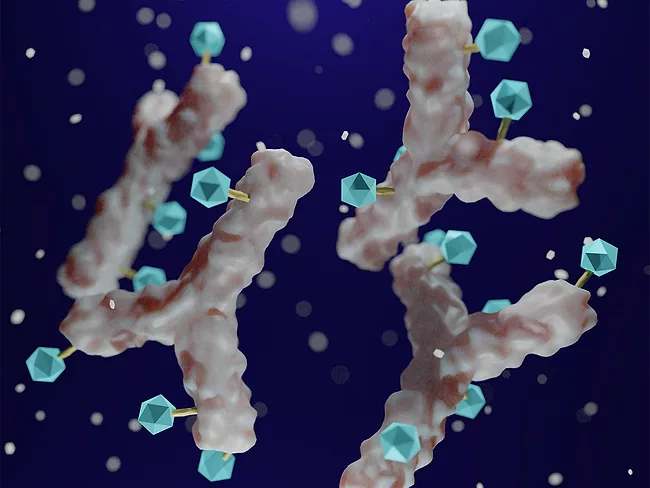
Over the course of the year, and continuing into the latest scientific meetings, an extraordinary breadth of new antibody-drug conjugate (ADC) designs was reported, with innovations spanning targets, linkers, payloads, conjugation chemistries and overall architectures. Once defined by a simple “one target, one payload” model, the field is lately expanding into a more versatile and diverse therapeutic space.
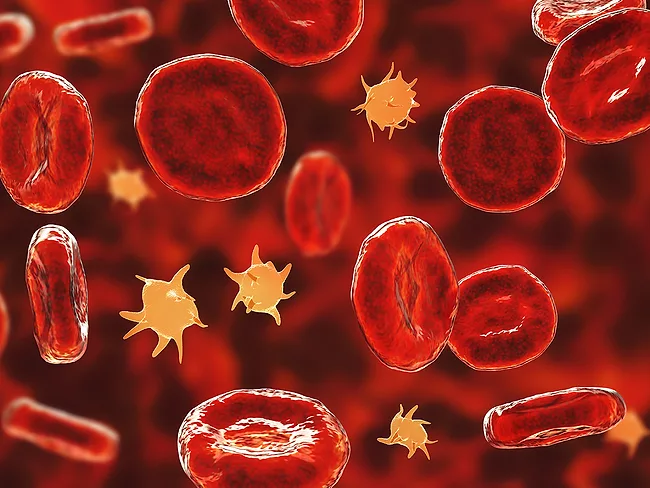
Novartis AG’s monoclonal antibody, ianalumab (VAY-736), when added to standard-of-care eltrombopag, extended disease control of primary immune thrombocytopenia (ITP) by 45%, according to data presented Dec. 9 during a late-breaker abstract session at the 67th American Society of Hematology’s annual meeting in Orlando, Fla.
Exicure Inc.’s buyout early this year of GPCR Therapeutics Inc. is paying off in a big way with data from the finished phase II trial testing burixafor (GPC-100). The agent is used with propranolol and granulocyte colony-stimulating factor to mobilize hematopoietic progenitor cells in patients with multiple myeloma (MM) undergoing autologous hematopoietic cell transplant.
 RSS
RSS