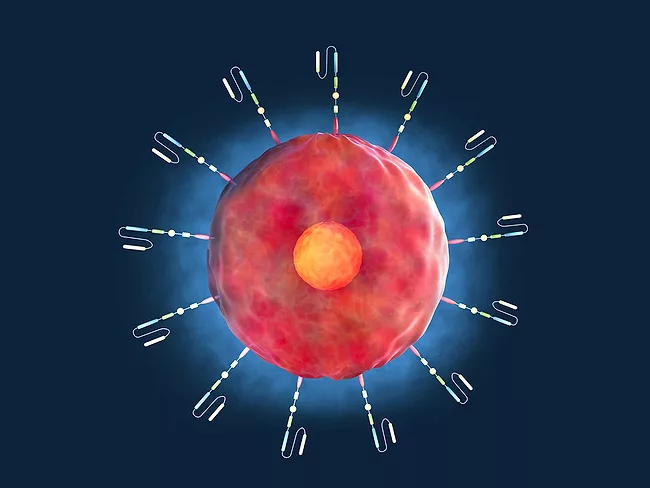
While recent advances in gene therapy have offered unprecedented options for patients with hemophilia, new data presented at the 32nd Annual Congress of the European Society of Gene and Cell Therapy (ESGCT), held in Seville Oct. 7-10, revealed persistent concerns regarding the durability of these treatments and their potential liver toxicity.
Japan’s investor community is ramping up both inbound and outbound investment to create a cross-border fertile hub of innovation in Japan, investors said during a panel discussion at Bio Japan 2025 held in Yokohama Oct. 8 to 10.
The transition from complex and costly ex vivo strategies to platforms that enable direct cellular intervention within the body, known as in vivo therapies, is marking a paradigm change in the field of gene and cell therapies by simplifying manufacturing, improving tissue targeting and expanding clinical access to treatments.
Bio Japan 2025 was abuzz with the news that Japan has once again snagged the Nobel Prize in Physiology or Medicine, with Shimon Sakaguchi winning for his discovery of a subtype of CD4-expressing T cells that affect the immune response. Earlier today, Susumu Kitagawa snatched the second Nobel Prize for Japan, this time in chemistry. Both Nobel Prize winners were professors at Kyoto University.
As the many challenges facing cell therapies are being addressed, the CAR T field continues to evolve beyond its original design of T cells engineered to target hematological malignancies. During the 32nd Annual Congress of the European Society of Gene and Cell Therapy (ESGCT), held in Seville Oct. 7-10, several studies showed how this technology is being redefined as programmable and adaptable immune cells with expanded functional versatility.
Amyotrophic lateral sclerosis (ALS), formerly known as Lou Gehrig’s disease, is a progressive and fatal neurodegenerative disorder with no known cure. While three therapies have gained U.S. FDA approvals to date, including Rilutek (riluzole), Radicava/Radicava ORS (edaravone) and tofersen (BIIB-067, the lack of a disease-modifying drug has spurred the continual search for novel therapies.
Beijing QL Biopharmaceutical Co. Ltd.’s once-monthly GLP-1 receptor agonist, zovaglutide (ZT-002), met its primary and secondary endpoints in a phase II obesity trial, and QL Biopharm will now advance the GLP-1 to a pivotal phase III study.
Although cagrilintide from Novo Nordisk A/S proved less than impressive when paired with GLP-1 agonist semaglutide in a single drug known as Cagrisema, the dual long-acting amylin analogue and calcitonin receptor agonist is looking good as a monotherapy in a subanalysis of the phase III Redefine-1 trial.
Artificial intelligence is no longer just a supporting tool in biotechnology – it is beginning to define the way drugs are discovered, tested and advanced into the clinic, speakers said during the Bio Hong Kong conference Sept. 10 to 13.
China was already making strides to lead the biotechnology industry in many key areas such as cell therapies and AI, but the chaotic nature of the Trump administration and the turmoil in the U.S. has catapulted China’s status as a more “dependable” partner, presenters said during the Bio Hong Kong conference, Sept. 10 to 13.
 RSS
RSS