At this year’s AACR-NCI-EORTC conference, several presentations brought to light new ways to tackle the treatment of genomically unstable cancers. Genomically unstable cancers can be treated by exploiting their repair dependencies, inducing catastrophic DNA damage, or harnessing immune responses to instability.
Stem cells are a promising therapeutic modality to fight aging and age-related disease, speakers at the Bio-Plus Interphex Korea 2025 said. Progress in cell-based longevity medicine is being made, they added, although safety, ethical and regulatory issues are ongoing challenges.
While positive results from the investigator-led phase II CHOPIN trial at ESMO 2025 failed to get investors dancing, they were no doubt music to management’s ears, particularly with Delcath Systems Inc.’s third quarter earnings report missing a beat.
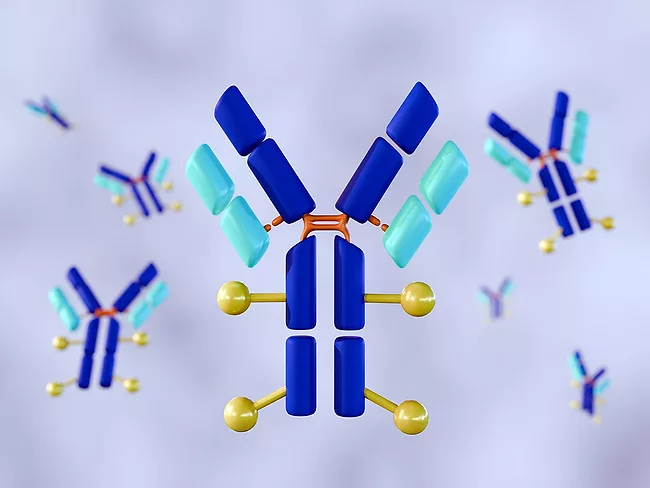
Antibody-drug conjugates (ADCs) are a mature technology. The first ADC, Mylotarg, was initially approved in 2000, and there are now 14 approved agents in both leukemias and solid tumors. According to Clarivate’s Cortellis Drug Discovery & Intelligence, those drugs collectively accounted for $13.55 billion in sales in 2024 – a figure that Cortellis projects will rise to $16 billion in 2025.
Detailed Viktoria-1 results of Celcuity Inc.’s gedatolisib positions the pan-PI3K/mTORC1/2 inhibitor as a top contender for second-line treatment of HR+/HER2- PIK3CA wild-type advanced breast cancer – a multibillion-dollar indication in need of new treatments.
Despite a recent stock surge, Olema Oncology Inc. shares (NASDAQ:OLMA) slipped 17% on Oct. 20 to close at $7.77 each in the wake of updated and positive phase Ib/II results for palazestrant, the company’s metastatic breast cancer drug.
The 2025 Annual Congress of the European Society for Medical Oncology (ESMO) featured a track on tumor-agnostic therapies – the first time such a track has been included at ESMO, or at any major medical oncology meeting. “It’s a milestone,” Vivek Subbiah told the audience at a session on how to accelerate tumor-agnostic drug development.
Much-awaited detailed data from Exelixis Inc.’s phase III Stellar-303 study of zanzalintinib, presented at the European Society for Medical Oncology meeting, showed the third-generation, oral tyrosine kinase inhibitor in combination with Tecentriq (atezolizumab, Roche AG) reduced the risk of death by 20% vs. Stivarga (regorafenib, Bayer AG) in patients with previously treated non-microsatellite instability (MSI)-high metastatic colorectal cancer and are expected to pave the way for an NDA filing later this year.
Grail LLC has presented data showing that when added to standard screening procedures for breast, cervical, colorectal and lung cancers, its Galleri circulating tumor DNA test led to a sevenfold increase in the number of cancers detected.
At the 2025 European College of Neuropsychopharmacology (ECNP) Congress in Amsterdam this week, researchers presented new findings on the role of endocannabinoids in stress, addiction … and the integrity of the blood-brain-barrier.
 RSS
RSS