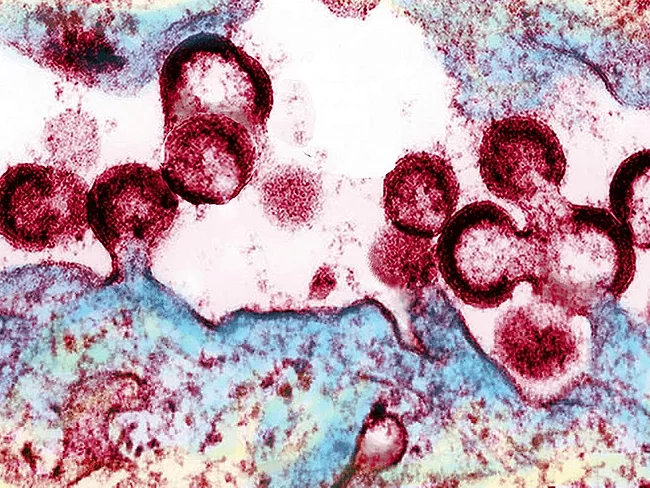
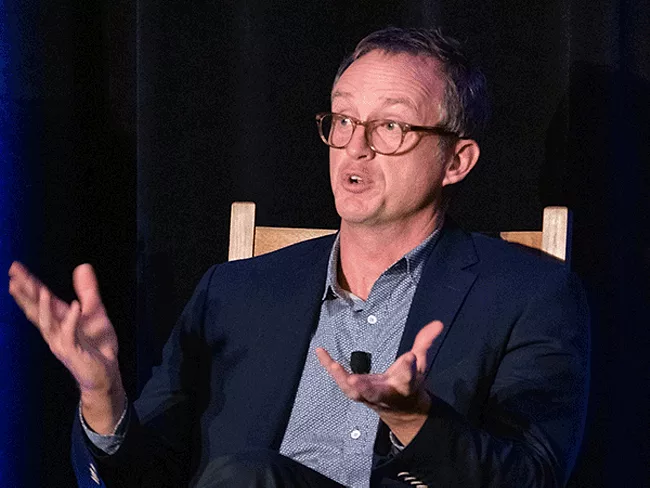
With Friday’s last-minute decision to move to an all-virtual format, the opening session of the 2020 Conference on Retroviruses and Opportunistic Infections (CROI) was certainly an unusual one. “We are in uncharted waters,” conference co-chair Sharon Hillier, Richard Sweet Professor of Reproductive Infectious Disease at the University of Pittsburgh School of Medicine, told the audience via livestream.
SAN DIEGO – At the Biocom 10th Annual Global Life Sciences Partnering Conference, panels of pharma executives highlighted what they're looking for to supplement their pipelines and offered advice that ran the gamut from company formation to the courting process to strategies for partnering pipeline drugs and platforms.
SAN DIEGO – At Biocom's 10th Annual Global Life Sciences Partnering Conference, a panel of players intimately familiar with last year's approval of myelofibrosis treatment Inrebic (fedratinib) explained the backstory of how they got the JAK2 kinase inhibitor off an FDA clinical hold, wrangled the rights to the drug back from the big pharma owner that had acquired the drug from Targegen Inc. and eventually helped the drug gain FDA approval after selling the rights to another large company.
BEIJING – There was encouraging news when vaccine developer Moderna Inc. announced this week it that has shipped the first vials of its mRNA vaccine against COVID-19 for a phase I trial in the U.S. The vaccine was created just 42 days after the genetic sequence of the COVID-19 virus was released. That is record speed. Other vaccine developers are also working around the clock to respond to the epidemic.
BEIJING – While repurposing drugs may be a quick solution to an epidemic like COVID-19 that has a limited research window, it’s just luck as to whether an already available drug candidate exists for newly emergent diseases. Experts say it’s more realistic to develop better drugs instead of attempting to repurpose old ones.
HYDERABAD, India – To continue expanding their footprint and capabilities beyond simple generics to biosimilars and new chemical entities, Indian pharmaceutical companies will have to improve their quality controls, compliance capabilities and, just as importantly, adopt more effective digital strategies.
HYDERABAD, India – Multinationals and domestic companies are stepping up research in India, including working to leverage the country’s digital and entrepreneurial capabilities, to boost India’s capabilities and market share in more innovative biologic drugs.
HYDERABAD, India – India could play a key role in driving down the exorbitant cost of emerging cell and gene therapies, with a combination of comparatively cheap labor and efficient manufacturing, international experts said during the annual BioAsia conference.
SEATTLE – As it enters its third year, the Human Cell Atlas project has mapped 100 million of 100 billion cells, and by comparing gene expression profiles of normal and aberrant cells and building networks of cellular interactions, is leading to breakthroughs in understanding of disease at a molecular level.
SEATTLE – Applying single cell transcriptomics to brain tissue from living donors is laying bare the vast differences between the human brain and the mouse brain, calling into question the use of animal models in psychiatric drug discovery.
 RSS
RSS