BioWorld. Link to homepage.

Clarivate
  • BioWorld
  • BioWorld Science
  • BioWorld Asia
  • Data Snapshots
    • Biopharma
    • Medical technology
    • Infographics: Dynamic digital data analysis
    • Index insights
    • NME Digest
  • Special reports
    • Infographics: Dynamic digital data analysis
    • Ebola outbreak
    • Hantavirus
    • Trump administration impacts
    • Med-tech outlook 2026
    • Under threat: mRNA vaccine research
    • BioWorld at 35
    • Biopharma M&A scorecard
    • Bioworld 2025 review
    • BioWorld MedTech 2025 review
    • BioWorld Science 2025 review
    • Women's health
    • China's GLP-1 landscape
    • PFA re-energizes afib market
    • China CAR T
    • Alzheimer's disease
    • Coronavirus
    • More reports can be found here

BioWorld. Link to homepage.

  • Sign In
  • Sign Out
  • My Account
Subscribe
BioWorld - Monday, May 25, 2026
Home » Topics » Conferences

Conferences
Conferences RSS Feed RSS

Cross section of brainstem

AAAS 2024: Chemo brain, other conditions provide lens for long COVID

Feb. 20, 2024
By Nuala Moran
The biological processes giving rise to the central nervous system symptoms of long COVID remain a mystery. But multiple studies suggest they do not appear to be a result of a direct viral infection of brain tissue. The latest such research, which appeared online in Nature Neuroscience on Feb. 16, 2024, demonstrated that local immune response in brain tissues persisted long after SARS-CoV-2 virus had disappeared.
Read More
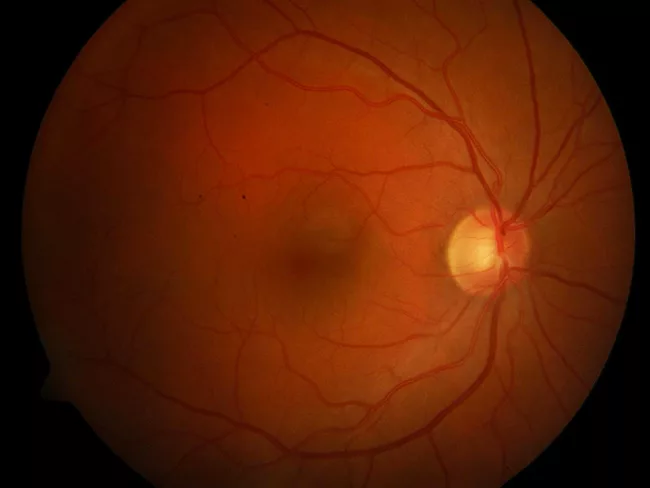
A fundus image of a healthy retina.
Ocular

Novel inducible mouse model of North Carolina macular dystrophy

Feb. 20, 2024
At the recent Macula Society Meeting, researchers from the Molecular Insight Research Foundation reported on the creation of a novel murine model of North Carolina macular dystrophy.
Read More
CAR T cell attacking cancer cells
Immuno-oncology

STING agonist IMSA-101 improves CAR T therapy trafficking into tumor

Feb. 20, 2024
Immunesensor Therapeutics Inc. has presented preclinical data on the stimulator of interferon genes (STING) agonist IMSA-101 which is designed to modify the tumor microenvironment in solid tumors and thus improve the trafficking and infiltration of CAR T-cell therapy into the tumor.
Read More
DNA illustration
Endocrine/Metabolic

Gene therapy with AAV2/8-LSPhGAA shows good results in preclinical Pompe disease

Feb. 19, 2024
Pompe disease is a disorder caused by deficiency of the lysosomal acid α-glucosidase (GAA) enzyme, which leads to the accumulation of glycogen within the lysosomes, overall in skeletal and cardiac muscle.
Read More
Endocrine/Metabolic

GCS inhibitor YH-35995A ameliorates Gaucher disease in mice

Feb. 19, 2024
Yuhan Corp. has presented preclinical data on their glucosylceramide synthase (GCS) inhibitor.
Read More
Cross section of brainstem
Infection

AAAS 2024: Chemo brain, other conditions provide lens for long COVID

Feb. 19, 2024
By Nuala Moran
The biological processes giving rise to the central nervous system symptoms of long COVID remain a mystery. But multiple studies suggest they do not appear to be a result of a direct viral infection of brain tissue. The latest such research, which appeared online in Nature Neuroscience on Feb. 16, 2024, demonstrated that local immune response in brain tissues persisted long after SARS-CoV-2 virus had disappeared.
Read More
Drug R&D concept image.
Endocrine/Metabolic

Pompe disease murine model harboring GAA c.1826dupA resembles infantile-onset disease

Feb. 16, 2024
Pompe disease is caused by a deficiency in the lysosomal enzyme acid α-glucosidase (GAA) that leads to accumulation of glycogen in the lysosomes, mainly seen in skeletal and cardiac muscles. Researchers from Duke University have developed a new murine model of Pompe disease, which recapitulates human infantile-onset disease. This model harbors the c.1826dupA mutation in the murine Gaa gene, which resembles the human GAA c.1826dupA (p.Y609*) mutation seen in infantile-onset Pompe disease.
Read More
Neurology/Psychiatric

New mouse model of COVID-19-induced cerebrovascular embolic complications

Feb. 15, 2024
Researchers from Mercer University have presented a middle cerebral artery/ferric chloride (MCA/FeCl3) thromboembolic mouse model of COVID-19-induced stroke and cerebrovascular complications.
Read More
A lysosome (foreground) is enlarged by an accumulation of the fatty substance glucocerebroside, a characteristic of Gaucher disease
Endocrine/Metabolic

Murine model recapitulates human Gaucher disease type 1

Feb. 15, 2024
Researchers from the Yale University School of Medicine have developed a novel murine model of Gaucher disease type I with the aim to investigate the impact of GBA1 deficiency on hematopoiesis and the immune system, in order to elucidate potential therapeutic targets.
Read More
Endocrine/Metabolic

Autologous B-cell therapy WFX-001 corrects systemic α-GAL enzyme deficiency in vivo

Feb. 14, 2024
Walking Fish Therapeutics Inc. presented a new first-in-class autologous B-cell therapy being developed for the treatment of Fabry disease.
Read More
Previous 1 2 … 172 173 174 175 176 177 178 179 180 … 3203 3204 Next

Popular Stories

  • Today's news in brief

    BioWorld
    BioWorld briefs for May 22, 2026.
  • Brain and DNA

    Sangamo presents primate data for prion suppressor ST-506

    BioWorld Science
    Sangamo Therapeutics Inc. discussed gene regulation approaches for neurodegenerative diseases when presenting findings on their clinical candidate ST-506 for the...
  • TREM2 agonists detailed in Pfizer patent

    BioWorld Science
    Pfizer Inc. has reported new triggering receptor expressed on myeloid cells 2 (TREM2) agonists potentially useful for the treatment of neurodegeneration.
  • Red dart and target against blue sky

    Unmasking the X: EPAC2 shifts the fragile X landscape

    BioWorld
    Researchers at UCLA have shown that divergent neuronal signaling in fragile X mice converges on EPAC2, a druggable target whose inhibition restores circuit...
  • Skin irritation on hands

    Recludix presents STAT1/3 inhibitors for dermatological diseases

    BioWorld Science
    Recludix Pharma Inc. recently presented data on their new STAT1/3 inhibitors REX-6553 and REX-6547 for treating dermatological inflammatory skin diseases.
  • BioWorld
    • Today's news
    • Analysis and data insight
    • Clinical
    • Data Snapshots
    • Deals and M&A
    • Financings
    • Medical technology
    • Newco news
    • Opinion
    • Regulatory
  • BioWorld Science
    • Today's news
    • Biomarkers
    • Cancer
    • Conferences
    • Endocrine/metabolic
    • Immune
    • Infection
    • Neurology/psychiatric
    • NME Digest
    • Patents
  • BioWorld Asia
    • Today's news
    • Analysis and data insight
    • Australia
    • China
    • Clinical
    • Deals and M&A
    • Financings
    • Newco news
    • Regulatory
    • Science
  • More
    • About
    • Advertise with BioWorld
    • Archives
    • Article reprints and permissions
    • Contact us
    • Cookie policy
    • Copyright notice
    • Data methodology
    • Infographics: Dynamic digital data analysis
    • Index insights
    • Podcasts
    • Privacy policy
    • Share your news with BioWorld
    • Staff
    • Terms of use
    • Topic alerts
Follow Us

Copyright ©2026. All Rights Reserved. Design, CMS, Hosting & Web Development :: ePublishing