The targeted delivery of optimized stem cells directly into injured tissues has been used to maximize efficacy and minimize systemic exposure. Still, despite hundreds of clinical trials evaluating mesenchymal stem cell (MSC) therapy as a treatment, clinical efficacy remains highly variable. Investigators at Case Western Reserve University have developed an optimized combination of cytokines and growth factors applied to MSCs (HXB-319).
NGGT (Suzhou) Biotechnology Co. Ltd. has presented preclinical data on an AAV vector approach that expresses human PAH, rAAV8-PAH, also known as NGGT-002. NGGT-002 has liver tropism and it was codon-optimized for expressing PAH in the liver.
Researchers from Healios K.K. presented preclinical data for HLCN-061, a novel gene-engineered human induced pluripotent stem cell (iPSC)-derived NK cell product being developed for the treatment of solid tumors.
Researchers from Huidagene Therapeutics Co. Ltd. have evaluated the effects of adenine base editing (ABE)-induced exon skipping of exon 50 in a humanized mouse model of Duchenne muscular dystrophy (DMD).
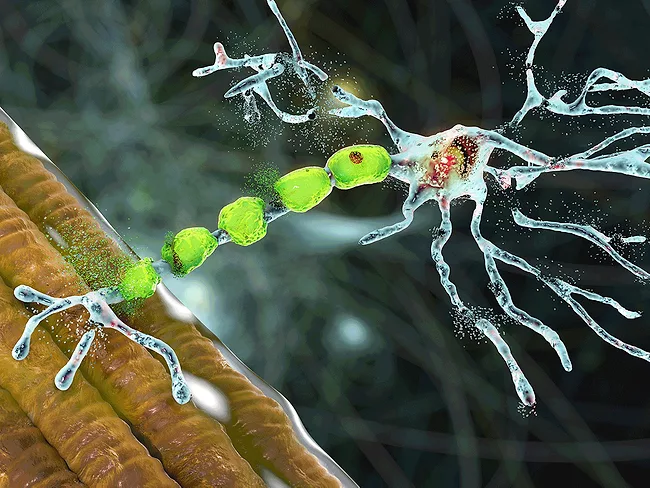
Neuronal ceroid lipofuscinosis, commonly known as Batten disease, is an inherited pediatric neurodegenerative lysosomal storage disease caused by mutations in the CLN5 gene. The disease is incurable and there is an urgent medical need for novel therapies. A murine model of Batten disease was developed to study a novel AAV vector that expresses CLN5, AAV9-CLN5. In the study by University College London investigators, the gene therapy, driven by the synapsin promoter, was intracerebroventricularly administered into neonatal Cln5-knockout mice.
Spinal muscular atrophy (SMA) is caused by mutations in the SMN1 gene, which encodes survival motor neuron 1, leading to reduced protein expression levels and degeneration of motor neurons in the spinal cord, with the consequent muscle atrophy. There is thus a need for new AAV gene therapies for SMA that confer better safety and efficacy.
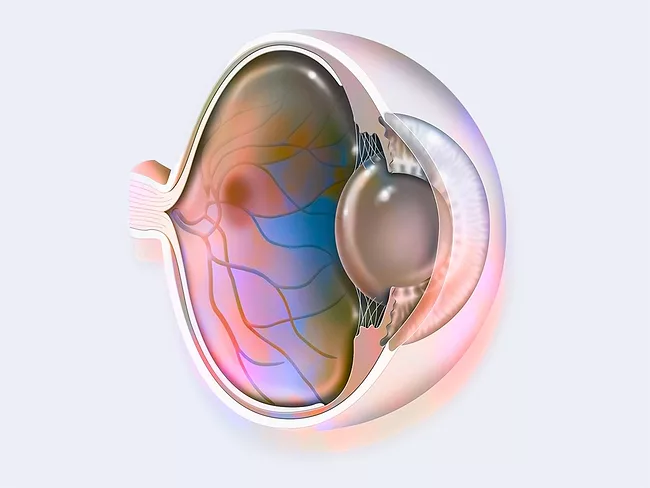
Researchers from Skyline Therapeutics (Shanghai) Co. Ltd. presented preclinical data for the new recombinant AAV vector therapeutic SKG-0106, being developed for the treatment of neovascular (wet) age-related macular degeneration (AMD).
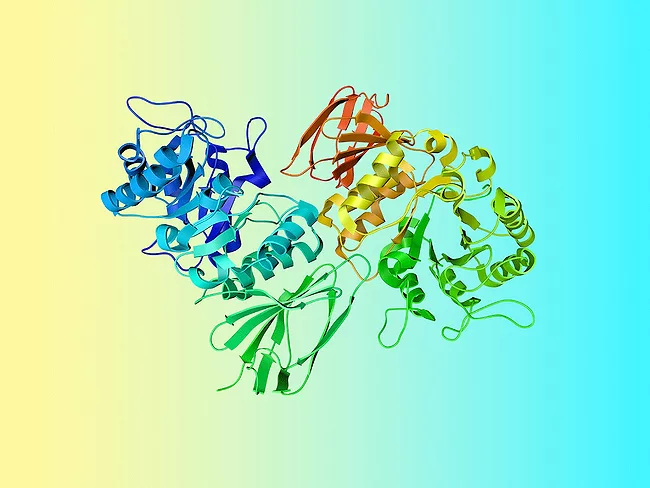
Fabry disease is a metabolic disease characterized by a deficiency in the lysosomal α-galactosidase enzyme caused by mutations in the GLA gene. This leads to substrate accumulation in the lysosomes, cellular dysfunction and organ damage.
Patients with irritable bowel syndrome (IBS) have chronic abdominal pain as a result of visceral hypersensitivity. Voltage-gated sodium channels control cellular excitability and are involved in the pathophysiology of several functional gastrointestinal disorders. Researchers from Nocion Therapeutics Inc. and the University of Oklahoma recently reported on the preclinical testing of NTX-1175, a sodium-channel blocker, in rat models of acute colonic hypersensitivity to distension.
 RSS
RSS