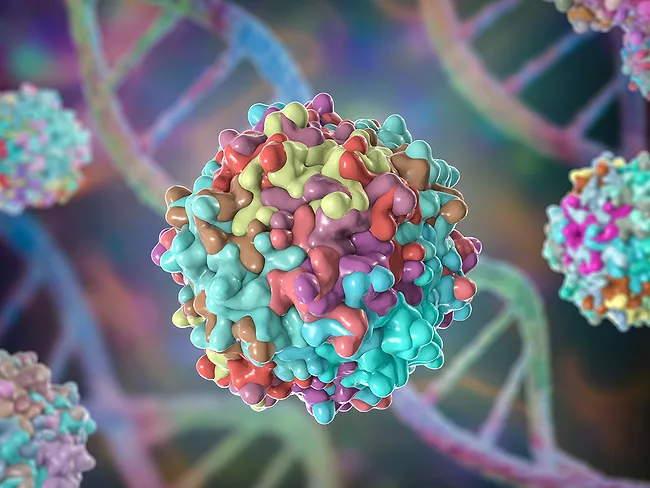
At the recent ASPET meeting, University of Minnesota and University of Montana researchers presented data from studies to determine the ability of the Toll-like receptor 7 (TLR7) and TLR8 agonist INI-4001 to enhance the efficacy of the heroin vaccine M-sKLH for the treatment of opioid use disorder.
Researchers from Kyungpook National University presented data from a study that aimed to investigate the endogenous mechanisms involved in granule cell dispersion (GCD) and its role in epileptic seizures in temporal lobe epilepsy (TLE).
Researchers from the University of Maryland presented preclinical data for YA-6060, a novel small molecule showing dual activities of Wnt inhibition and AMPK activation via the mechanism of AXIN stabilization. Since both Wnt/β-catenin and AMPK signaling pathways have been previously shown to play a key role in liver fibrosis, this study aimed to assess the potential of YA-6060 as an antifibrosis agent.
Chronic myeloid leukemia (CML) is a myeloproliferative neoplasm characterized by a chromosomal translocation that results in the generation of the BCR-ABL1 oncogene, which encodes the chimeric BCR-ABL1 protein with tyrosine kinase activity. Allosteric tyrosine kinase inhibitors (TKIs) represent an improvement of 2-fold in efficacy over standard inhibitors and are better tolerated.
The discovery of DNA was a milestone in the history of science that led to a breakthrough in biomedical research. By associating disease and genetics, genome correction techniques were ultimately developed that are supposed to work in the same way that antibiotics and antivirals block pathogenic microorganisms: by directly attacking the causes of disease.
There is a need regarding cardiovascular disease and heart failure for a therapy that reverses the progression of ventricular dysfunction. Previous findings have shown that cardiomyocytes during cardiac dysfunction show an accelerated telomere shortening, thus leading to DNA damage.
Researchers from Applied Genetic Technologies Corp. have reported preclinical data for AGTC-601, a novel AAVrh10-granulin (GRN) gene therapy being developed for the treatment of frontotemporal dementia (FTD) with GRN mutations.
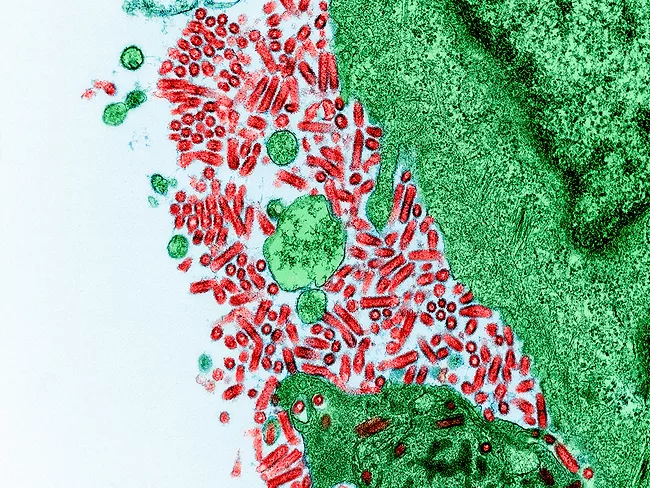
Rabies virus is among the most neurotrophic known virus and it has a fatality rate of almost 100%. There is a need for antibody-induced protection in the central nervous system, since rabies virus can cross the blood-brain barrier but antibodies cannot. Investigators from Auburn University and the Scott-Ritchey Research Center have presented an adeno-associated viral (AAV) vector-based approach for brain encephalitis caused by rabies virus infection.

 RSS
RSS