When tissue injury occurs, stressed cells release a bunch of intracellular molecules called damage-associated molecular pattern (DAMP) proteins. S100 calcium binding protein A9 (S100A9) is a DAMP usually found in macrophages and is involved in multiple inflammatory responses, such as activation of Toll-like receptor 4 (TLR4).
Acetaminophen (APAP) is a very common nonprescription analgesic, harmless at low doses, that can cause acute liver injury and even death from acute liver failure when overdosed. The temporal course of acetaminophen overdose-induced liver injury (AILI) can be depicted in two stages – injury and recovery.
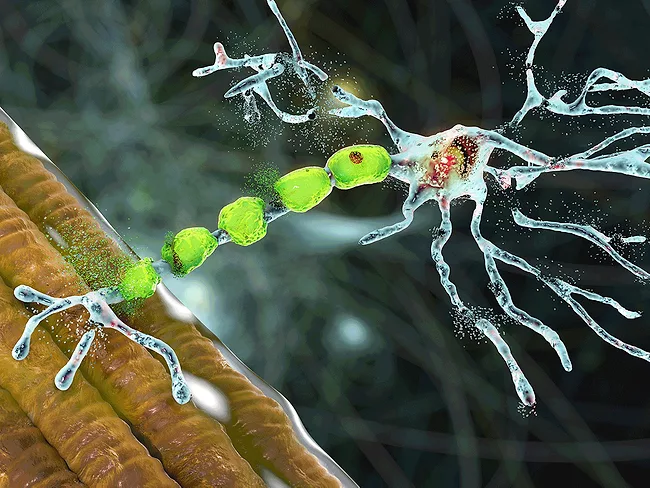
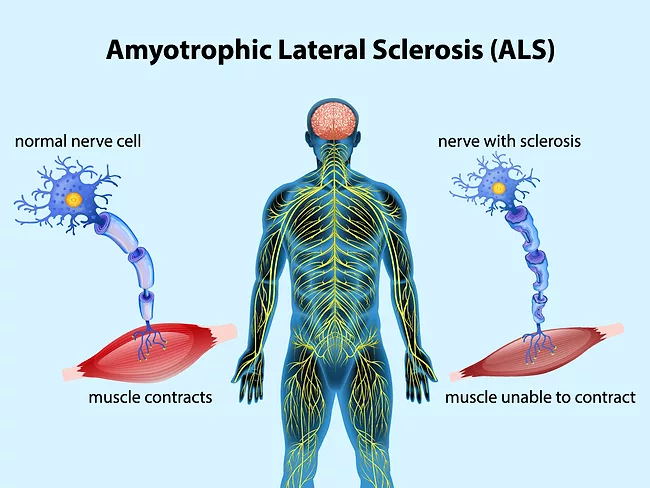
Amyotrophic lateral sclerosis (ALS) is a fatal neurodegenerative disease characterized by failure of motor neurons that lead to paralysis. To date, no treatment exists for ALS that focuses on improving neuromuscular transmission, which would improve quality of life for ALS patients.
Ancora Heart Inc. reported 12-month data showing its Accucinch system significantly improves outcomes in heart failure (HF) patients, including positive changes in cardiac structure and function. The results, presented at the Technology and Heart Failure Therapeutics conference (THT 2023) in Boston, were simultaneously published in the Journal of Cardiac Failure.
Phenylketonuria (PKU) is an autosomal recessive disorder where the primary catabolic pathway for phenylalanine (Phe) is disrupted due to mutations in the gene encoding PAH. Elevated Phe levels lie behind several neuropathologic anomalies that can lead to severe and irreversible mental retardation, if untreated.
Researchers from Baylor College of Medicine presented data from postnatal testing with the aim of providing molecular diagnosis for a patient with prenatally diagnosed heterotaxy syndrome.
Genome sequencing is a successful approach for simultaneously detecting both copy number variants and sequence variants in genes involved in autosomal recessive diseases.
Geleophysic dysplasia (GD) is an autosomal recessive disease characterized by facial features, short stature, limited joint mobility and cardiovascular and respiratory abnormalities, which can lead to a significant mortality rate. The disease is caused by biallelic genetic variants in the ADAMTSL2 gene. Little is known about the pathogenesis of the disease, but dysregulation of the TGF-β pathway has been shown to be involved.