FDA approval of Aduhelm (aducanumab), as the first disease modifying drug for Alzheimer’s, may have had a distinctly lukewarm reception in some quarters, but it is an important starting point in treating dementia, with a myriad of other avenues now being pursued in discovery and development.
If you believe the theme of the World Dementia Council (WDC) meeting in London this week, dementia is “in a new era,” where it will be possible to prevent, diagnose and treat neurodegenerative disease. That is not the case for most people living with dementia today, but the approval of the first disease-modifying drugs and the imminent arrival of new blood-based biomarkers is “a big moment,” Lenny Shallcross, executive director of WDC told the meeting on Mar. 20.
Takeda Pharmaceutical Co. Ltd.’s oral allosteric tyrosine kinase 2 inhibitor TAK-279 met primary and secondary endpoints in a phase IIb clinical trial in patients with moderate to severe plaque psoriasis, but analysts say it may be too little too late to make a big splash compared to competitors.
New and updated clinical data presented by biopharma firms at the American Academy of Dermatology annual meeting, including: Abbvie, Acelyrin, Arcutis, Concert, Connect, Galderma, Incyte, Inmagene, Leo, Nimbus, Regeneron, Sanofi, Sun, Takeda, UCB.
Researchers from the University of Utah applied RNASeq analysis for an undiagnosed case of a critically ill newborn with a complex phenotype, with the aim of providing better diagnosis and improving treatment outcomes.
For COVID-19, the limited durability of vaccines requires multiple injections, and their effectiveness is continuously challenged by emerging new spike variants of the virus. The SARS-CoV-2 main protease Mpro plays a role in major polyprotein processing events and is essential for viral replication.
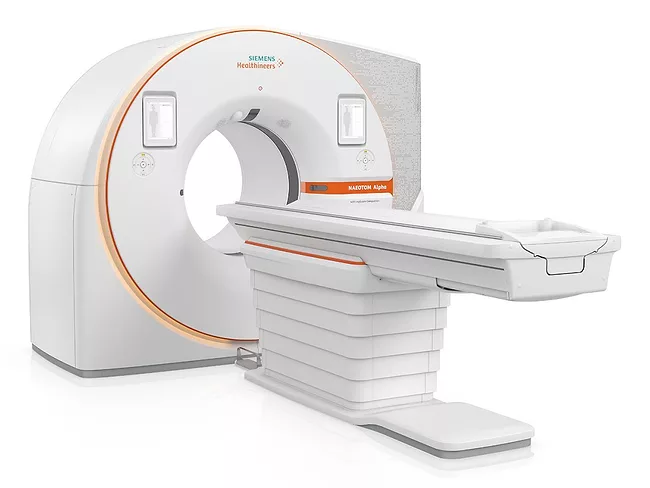
At the European Congress of Radiology 2023 in Vienna, a session was devoted to photon-counting CT (PCCT). A team of five clinical researchers from Germany, Ireland, Norway, the Czech Republic and Slovakia spent an hour presenting an update on the latest clinical progress for this new medical imaging technology.
Are deals such as M&As between biotechs and big pharma becoming a thing of the past? That was a key question posed during the opening keynote at this year’s BIO-Europe Spring conference in Basel, Switzerland. Although Susanne Kreutz, global head of corporate and business development of Basel-based Novartis AG, doesn’t think this is the case, she told delegates that she believes M&A will increasingly focus in on “high-quality, high-impact, late-stage assets, where reimbursement is securable and where regulatory paths appear.”
If you believe the theme of the World Dementia Council (WDC) meeting in London this week, dementia is “in a new era,” where it will be possible to prevent, diagnose and treat neurodegenerative disease. That is not the case for most people living with dementia today, but the approval of the first disease-modifying drugs and the imminent arrival of new blood-based biomarkers is “a big moment,” Lenny Shallcross, executive director of WDC told the meeting on Mar. 20.
Takeda Pharmaceutical Co. Ltd.’s oral allosteric tyrosine kinase 2 inhibitor TAK-279 (formerly NDI-034858) met primary and secondary endpoints in a phase IIb clinical trial in patients with moderate to severe plaque psoriasis, but analysts say it may be too little too late to make a big splash compared to competitors.

 RSS
RSS