Previous studies revealed that cancer-restraining cancer-associated fibroblasts express Meflin as a marker in pancreatic cancer, and further research has shown that Meflin can also be a good predictive marker for immune checkpoint inhibitor (ICI) response in non-small-cell lung cancer.
The CEP250 gene encodes centrosome-associated protein CEP250, involved in the formation of active centrosome components and cell cycle progression. CEP250 has been previously implicated in atypical Usher syndrome, which is characterized by early-onset hearing loss and mild retinitis pigmentosa.
Fifteen years ago, at the 2008 Conference on Retroviruses and Opportunistic Infections (CROI), researchers announced that they had cured a patient – Timothy Ray Brown, initially known only as the Berlin Patient to preserve his privacy – of HIV through a hematopoietic stem cell transplant. Now, as researchers are gathered in Seattle for CROI 2023, reports of another cured patient were published Feb. 20, 2023, in Nature Medicine. Ten years after receiving a hematopoietic stem cell transplant, and 4 years after stopping antiretroviral treatment (ART), a 53-year-old patient may have been cured of HIV infection.
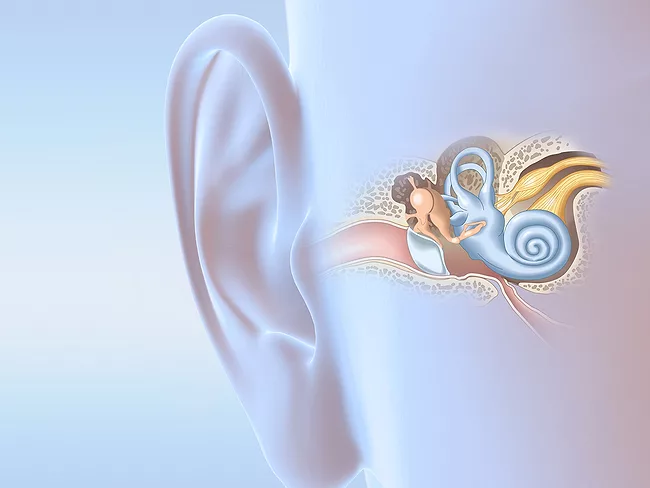
To restore hearing function in patients with hearing loss or deafness, cochlear implantation is seen as the only method that works, but insertion of the electrode array may cause direct mechanical injury to the cochlea, with the subsequent loss attributed to an inflammatory response driven by proinflammatory cytokines, reactive oxygen species and apoptotic signals.
New and updated clinical data presented by biopharma firms at the American Society of Clinical Oncology Genitourinary Cancers Symposium, including: Bellicum, Celcuity, Janssen, Lava, Promontory.
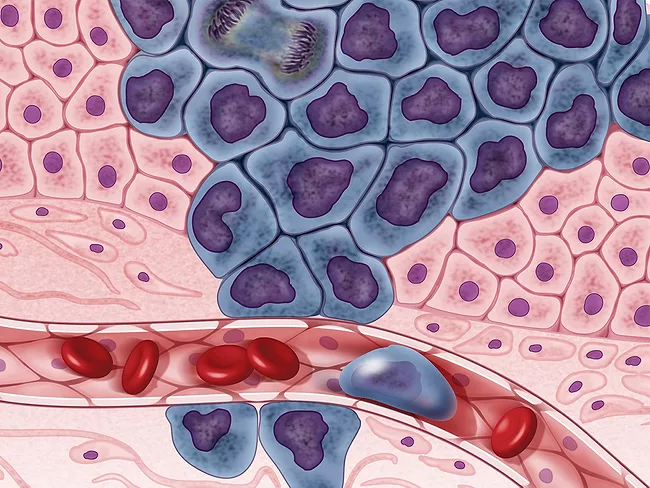
Pancreatic cancer still remains a highly lethal disease, with a 5-year survival rate of <10%. It is characterized by strong stromal activation leading to pro-tumorigenic extracellular matrix deposition. Recent findings in preclinical models have unveiled that targeting desmoplasia may improve chemotherapy efficacy and impede metastasis in pancreatic cancer.
The TMEM43 gene encodes a transmembrane protein that is associated with connexin-linked function in cochlear glia-like supporting cells (GLSs), and mutations in this gene have been recently associated with hearing loss (HL).
To restore hearing function in patients with hearing loss or deafness, cochlear implantation is seen as the only method that works, but insertion of the electrode array may cause direct mechanical injury to the cochlea, with the subsequent loss attributed to an inflammatory response driven by proinflammatory cytokines, reactive oxygen species and apoptotic signals.
While most preclinical research on pediatric cancer is carried out using adult mouse models, there are significant biological differences between children and adults, including age-related differences in the immune system, metabolism and growth factor signaling. In the current study, investigators from the University of Western Australia and Telethon Kids Institute developed a new mouse model of pediatric medulloblastoma, which is the most common childhood brain cancer.
 RSS
RSS