It has been demonstrated that stem cell factor (SCF) and its receptor KIT play key roles in the differentiation, proliferation, survival, migration and activation of mast cells, which in turn play a central role in the development of IgE-mediated allergic diseases, including allergic urticaria and food allergy.
Atopic dermatitis (AD) is an inflammatory skin disease with complex pathogenesis. Researchers from the Swiss Institute of Allergy and Asthma Research and their collaborators have investigated biomarkers tied to AD and its severity.
Surgical aortic valve replacement (SAVR) devices are widely believed to be considerably more durable than transcatheter aortic valve replacement (TAVR) devices, but five-year data for Medtronic plc’s Corevalve Evolut, presented this week at the Cardiovascular Research Technologies Conference in Washington, seem to suggest that TAVR devices are closing that gap.
It is known that Bruton tyrosine kinase (BTK) is an essential enzyme for the FcεRI signaling pathway and is thought to be a target to prevent IgE-mediated allergic reactions. Researchers have hypothesized that the BTK inhibitor acalabrutinib may prevent reactivity to peanuts in patients with peanut allergy.
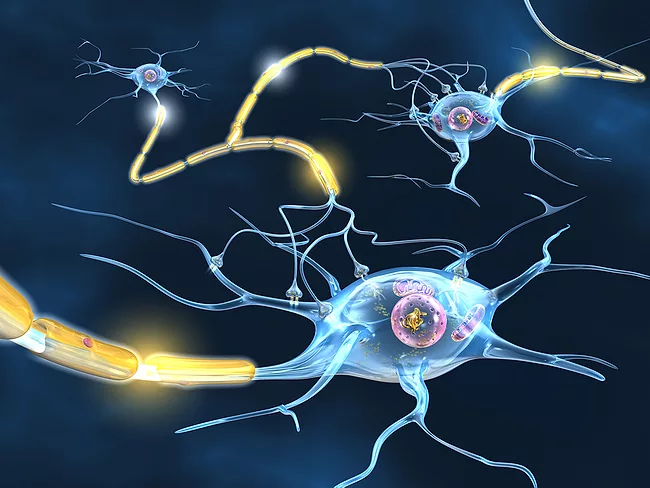
Previous research has suggested that neurons in multiple sclerosis (MS) exhibit metabolic exhaustion, believed to be caused by chronic hyperexcitability, which can lead to neurodegeneration. Researchers from Heidelberg University and affiliated organizations aimed to investigate the role of nodal Kv7 (outward rectifying) and perinodal oligodendroglial Kir4.1 (inward rectifying) channels as potential therapeutic targets for neuroprotection through balancing of neuronal excitability caused by inflammatory demyelination.
Researchers from Revolo Biotherapeutics Ltd. have presented preclinical data for IRL-201104, a clinical-stage immunomodulatory peptide that has previously demonstrated a long-lasting effect in different preclinical models of allergic inflammation. In the new studies, the candidate was assessed in models of food allergy.
The intestinal microbiota could protect against HIV infection. At the 30th Conference on Retroviruses and Opportunistic Infections (CROI) last week, a group of scientists from Duke University presented data showing a preventive effect of two bacteria from the Lachnospiraceae family, the species Clostridium immunis and Ruminococcus gnavus against HIV. These microorganisms strongly inhibited HIV replication in vitro through the metabolic pathway of tryptophan and the aryl hydrocarbon receptor.
 RSS
RSS