Researchers from Phio Pharmaceuticals Corp. presented preclinical data for PH-109, a novel self-delivering RNAi targeting connective tissue growth factor (CTGF), which was originally developed and assessed in early clinical trials as potential treatment of dermal hypertrophic scarring and subretinal fibrosis. The current study evaluated PH-109 in a mouse model of metastatic breast cancer.
Trophoblast glycoprotein, also known as 5T4, is widely expressed in several solid tumors; cluster of differentiation 47 (CD47) is an ubiquitous immune checkpoint receptor that is also overexpressed in many solid tumors as well as in hematological cancers. A Yuhan Corp. research team has presented preclinical results on YH-38560, a bispecific fusion protein that targets both 5T4 and CD4 for the potential treatment of solid tumors.
Leigh syndrome is a rare neurometabolic disorder that causes the CNS to degenerate. Investigators from the University of California, Davis, and Myto Therapeutics Inc. noted that the NDUFS4-knockout (KO) mouse is a well-characterized model for this disease and shared results on the effects of monomethyl fumarate prodrug MYT-109 in this murine model.
Regulatory T cells (Tregs) are known suppressors of immunity activation in the tumor microenvironment, and a high density of Tregs is tied to a poor response to cancer immunotherapy, with CCR8+ Tregs identified as being highly suppressive. Ctm Bio Co. therefore have studied the CCR8 antagonist antibody CTM-033 in preclinical cancer models.
Killer cell immunoglobulin-like receptor 3DL3 (KIR3DL3) is a member of the killer cell Ig-like (KIR) receptor family. When KIR3DL3 is expressed on T and natural killer (NK) cells in the tumor microenvironment, it suppresses immune responses following engagement with HHLA2, suggesting that the KIR3DL3-HHLA2 axis potentially represents a novel immune checkpoint pathway and that blockade of KIR3DL3 signaling could promote antitumor immunity.
Tuberous sclerosis is a genetic disease caused by loss-of-function mutations in the TSC1 or TSC2 genes. At the neurological level, this rare disease is characterized by benign tumor growth, epilepsy, cognitive deficits and autism. Epilepsy is the main neurological trait and presents mostly as infantile spasms.
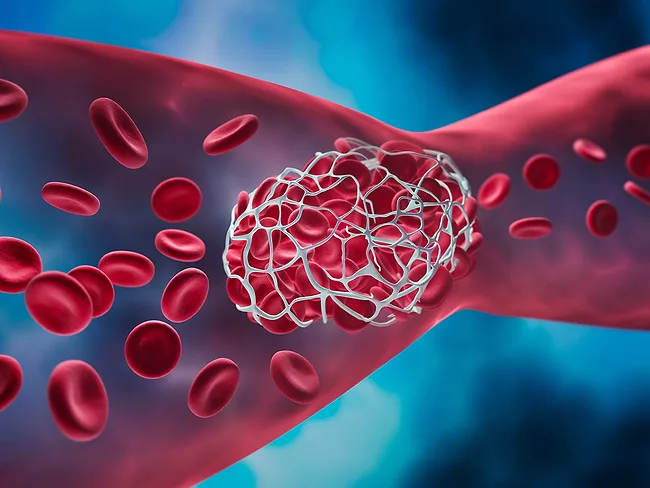
Researchers from King's College London and UCB Pharma Inc. recently reported preclinical data on the effects of an anti-mouse neonatal Fc receptor (FcRn) antibody, UCB-4470, on circulating antiphospholipid (aPL) and aPL-induced thrombus formation in mice.
Brain insulin signaling is known to control peripheral energy metabolism and regulation of mood and cognition. Dysregulation in this signaling has been tied to brain pathological disorders such as Alzheimer’s disease (AD). Previous findings have reported a strong connection between type 2 diabetes (T2D) and AD, suggesting insulin resistance as a potential risk factor for AD pathology and other forms of dementia.
Investigators from Immunos Therapeutics AG aimed to develop novel anticancer therapies by using a reverse rational approach from HLA class I molecules with the aim to induce autoimmunity, and they identified HLA-B*57 as a well-known genetic factor associated with superior control of viral infections through processes not linked with peptide presentation.
Researchers from Suven Life Sciences Ltd. presented the discovery and preclinical characterization of a novel muscarinic acetylcholine M4 receptor positive allosteric modulator (PAM), SUVN-L1305022.
 RSS
RSS