Neuropathic pain affects about 60% of patients with diabetes. The hepatocyte growth factor (HGF)/MET pathway is known to play a critical role in neurogenesis and nervous system repair; thus, its stimulation may provide neuroprotective effects, as well as reduce pain symptoms.
Glioblastoma (GBM) is the most common type of primary brain tumor in adults, with only a 7% rate of 5-year overall survival for patients. Oncolytic viruses based on HSV-1 vectors are an interesting and to-explore area for GBM treatment.
Activation of the cGAS-STING pathway activates the immune system through the production of type I interferons. There is knowledge that myeloid cell populations are among the most sensitive to STING agonism. Investigators at Takeda Pharmaceutical Co. Ltd. presented results on TAK-500, an immune stimulant antibody-drug conjugate (ISAC) composed of an antibody linked to a STING agonist for delivery to CCR2+ cells.
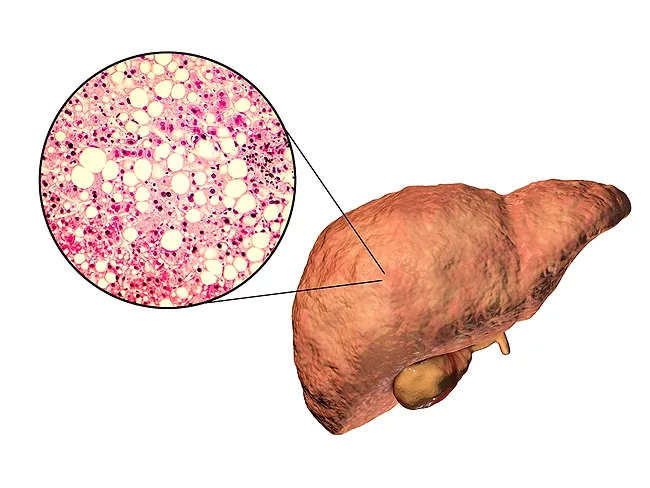
Acute liver failure (ALF) occurs when an acute injury to the liver is not compensated by the liver’s endogenous regenerative capacity, resulting in impaired liver function. Accelerating the liver’s regenerative capacity by activating the MET-hepatocyte growth factor (HGF) signaling pathway was the aim of this research. AGMB-101, developed by Agomab Therapeutics NV, is an agonist antibody targeting MET that was tested in two murine models of ALF.
Researchers from Sutro Biopharma Inc. presented the discovery and preclinical characterization of a novel receptor tyrosine kinase-like orphan receptor 1 (ROR1)-targeted antibody-drug conjugate (ADC), STRO-003, being developed for the treatment of cancer.
A research team at Duality Biologics (Suzhou) Co. Ltd. has discovered a novel anti-TNF-α monoclonal antibody-drug conjugate (ADC), DB-2306, as a potential therapeutic candidate for the treatment of autoimmune disease.
The liver X receptor (LXR) is a nuclear hormone receptor that is one of the most important regulators of cholesterol homeostasis and plays a key role in triglyceride (TG) regulation. Researchers from Orsobio Inc. and Phenex Pharmaceuticals AG have presented preclinical data on TLC-2716, a potent, small-molecule LXR inverse agonist for the treatment of lipid disorders.
Researchers from Elpiscience Biopharma Ltd. have reported the construction of a PD-L1/SIRPα bispecific macrophage engager (BiME), ES-019. A panel of anti-PD-L1/SIRPα antibodies based on single domain antibody was generated, with the candidates containing different orientations, ratios and IgG isotypes of anti-PD-L1 arm and anti-SIRPα arm.
Immunocytokines (ICs) engage multiple mechanisms of action by the use of antibodies to deliver cytokine payloads to the surface of the same immune cell, known as cis-signaling. Researchers from Bright Peak Therapeutics AG have developed ICs by using a novel approach based on site-specific chemical conjugation of engineered cytokines to existing nonmodified antibodies.
Researchers presented data from a study that aimed to assess the repair potential of acute intermittent hypoxia (AIH) treatment for compression injuries.
 RSS
RSS