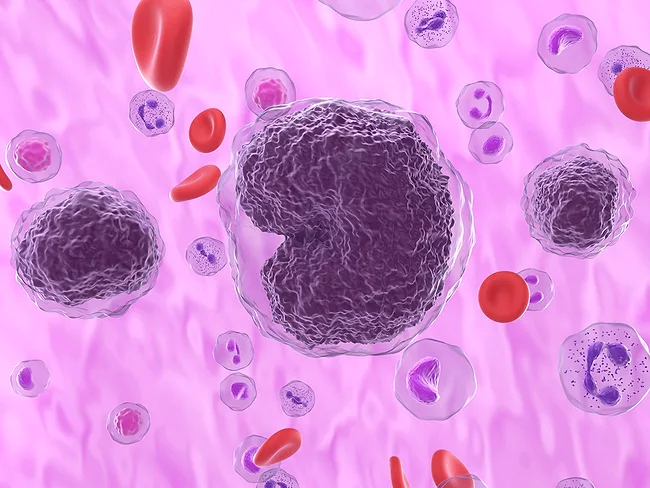
Affimed NV said the latest data with its lead innate cell engager (ICE) known as AFM-13, disclosed at the American Society of Hematology (ASH) meeting, have caused the focus to shift from monotherapy to combination regimens.
New and updated clinical data presented by biopharma firms at the San Antonio Breast Cancer Symposium, including: Ambrx, Astrazeneca, Celcuity, Treadwell, Zymeworks.
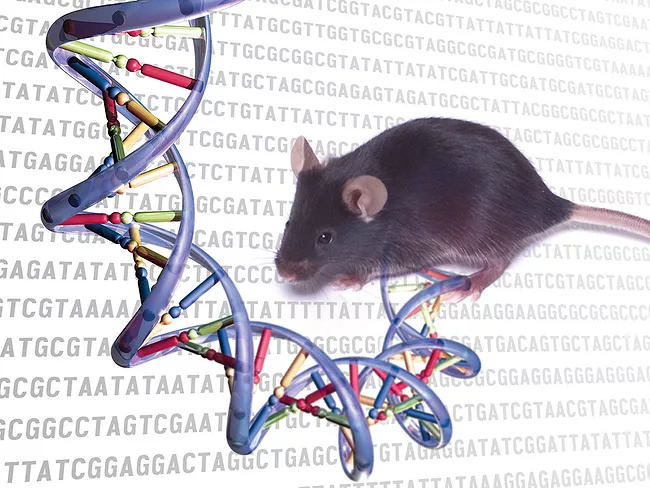
Dravet syndrome is a type of congenital epilepsy caused by nonsense mutations in the SCN1A gene in about 20% of cases; SCN1A gene encodes the alpha subunit of the voltage-gated sodium channel Nav1.1. Spanish researchers and their collaborators have developed a novel murine model of Dravet syndrome; the model was developed by CRISPR/Cas9-generated A>T point mutation at nucleotide 1837 that converts Arg613 to a STOP codon, and which was introduced into exon 12 of the murine Scn1a gene using 129S1/SvImJ embryos.
Researchers from Columbia University presented novel knock-in mouse models, designed to replicate de novo sequence variations in the HCN1 voltage-gated ion channel, p.G391D and p.M153I, which are associated with severe drug-resistant neonatal- and childhood-onset epilepsy, respectively.
Cerebral cavernous malformations (CCMs) are vascular lesions in the central nervous system and in the brain that are tied with intracerebral bleeds and seizures, with an occurrence ratio of 0.4% to 0.9%. Seizure is the second most common symptom and >25% of CCMs are identified following an epilepsy diagnosis.
Ichnos Sciences Inc. has presented data on the first-in-class trispecific BCMA and CD38 T-cell engager ISB-2001, which is based on the company’s TREAT (Trispecific Engagement by Antibodies based on the TCR) technology. The compound targets CD3 on T cells and cotargets BCMA and CD38 on multiple myeloma (MM) cells.
Arcellx Inc. signed a deal that could be worth almost $4 billion with Gilead Sciences Inc.’s unit Kite Pharma Inc. to push forward Arcellx's lead late-stage candidate CART-ddBCMA for relapsed or refractory multiple myeloma. The arrangement brings $225 million up front plus an equity investment of $100 million, along with as much as $3.9 billion in milestone payments. Arcellx CEO Rami Elghandour said the firm sorted through a number of suitors interested in the program. Data at the American Society of Clinical Oncology meeting “catalyzed a number of discussions and a broad set of interests. We felt of the possibilities out there, [Kite/Gilead is] the partner of choice in this space.”
New and updated clinical data presented by biopharma firms at the San Antonio Breast Cancer Symposium, including: Astrazeneca, Context, Dantari, Exelixis, G1, Intensity.
A strong clinical association has been observed between epilepsy and the development of depression, however, it is difficult to study individual molecular and cellular mechanisms underlying these comorbidities in animal models. Researchers from Rutgers University have aimed to develop a cell-type-specific monogenic mouse model of epilepsy and depression comorbidities, which could serve as a tool for identifying disease mechanisms as well as for target and drug screening.
Researchers from Praxis Precision Medicines Inc. presented the discovery and preclinical evaluation of a novel voltage-gated sodium channel (Nav) blocker, PRAX-628, being developed as a potential antiepileptic drug candidate.
 RSS
RSS