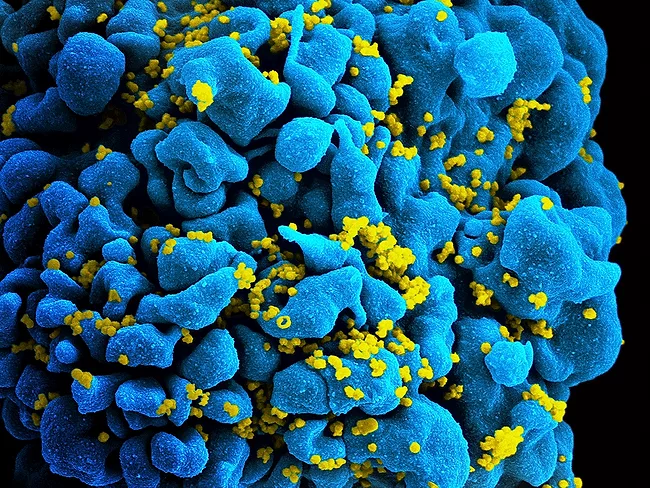
Researchers around the world are making advances in understanding how HIV becomes latent and seeking out vulnerabilities that could provide routes to targeting reservoirs and eliminating them.
Researchers around the world are making advances in understanding how HIV becomes latent and seeking out vulnerabilities that could provide routes to targeting reservoirs and eliminating them. The virus persists in some cells after infection despite antiretroviral therapy (ART) and these contain inactive proviruses that can replicate and trigger the disease.
Investigators presented the development of a novel orthotopic xenograft mouse model to study the role of cancer-associated fibroblasts (CAFs) in tumor lymphangiogenesis and regional lymph node metastasis in lung cancer.
With the aim of assessing the implication of gap junction protein connexin 43 (Cx43) in angiogenesis, human pulmonary microvascular endothelial cells were transfected with Cx43-targeting siRNA or Cx43-overexpressing recombinant plasmid vector.
Data on C2N Diagnostic LLC’s new blood test combining a proprietary p-tau217 measurement with the amyloid beta (a-beta) 42/40 ratio, a component of C2N’s commercially available PrecivityAD blood test, could help to predict people at risk for Alzheimer’s disease (AD) – even at the earliest stages.
To explore the role of histone deacetylase 11 (HDAC11) in Alzheimer's disease, Massachusetts General Hospital researchers generated selective, brain-penetrating HDAC11 inhibitors.
Researchers developed three novel non-small cell lung cancer (NSCLC) patient-derived echinoderm microtubule-associated protein-like 4 (EML4)-anaplastic lymphoma kinase (ALK) fusion cell lines, including CUTO8 (variant 1), 9 (variant 1) and 29 (variant 3), as well as a fourth ALK-positive cell line, YU1077 (EML4-ALK variant 3).
Gene expression profiles were retrieved from The Cancer Genomic Atlas lung adenocarcinoma (LUAD) cohort (TCGA - LAUD) (n = 567) and association of CYP4B1 with immune inhibitory components was analyzed to better understand the effect of this member of the CYP superfamily on LUAD immune microenvironment.
 RSS
RSS