One of the main goals in the prevention of cardiovascular disorders is to maintain low-density lipoprotein cholesterol (LDL-C) at consistently low levels to ensure long-term cardiovascular protection. Investigators at Verve Therapeutics Inc. reported preclinical data on VERVE-102, a GalNAc base editing strategy designed to sustainably inactivate the PCSK9 gene and lower LDL-C in familial hypercholesterolemia.
Metabolic disorders such as argininosuccinic and glutaric aciduria, methylmalonic acidemia, homocystinuria or primary hyperoxaluria require specific diets to prevent the accumulation of substances that the body can’t process. Current treatments mainly focus on managing symptoms and metabolite levels, and do not always prevent the progressive deterioration caused by mutations associated with the condition. However, emerging gene therapies hold promise for transforming these diseases by targeting their underlying causes, as presented in the oral abstract session, “Gene and cell therapy for metabolic diseases” of the ongoing 28th Annual Meeting of the American Society of Gene & Cell Therapy (ASGCT) meeting in New Orleans.
Immunity is not a function most people particularly associate with the liver. But because of its connection to the gut, the liver is exposed to bacterial metabolites as few other organs are. And when either the liver or the gut is not functioning well, it can adversely affect immunity as well.
Current anticancer approaches, such as antibody or CAR T-cell therapies, rely on targeting tumor-associated antigens rather than tumor-specific antigens, with the consequent on-target, off-tumor effects.
Zhejiang Doer Biologics Co. Ltd. has presented data regarding their FGF21R/GCGR/GLP-1R triple agonist DR-10624 for the treatment of metabolic dysfunction-associated steatohepatitis (MASH).
Researchers from Protagonist Therapeutics Inc. reported the preclinical characterization of PN-881, an oral macrocyclic peptide that inhibits the dimeric forms of IL-17 – AA, AF, and FF.
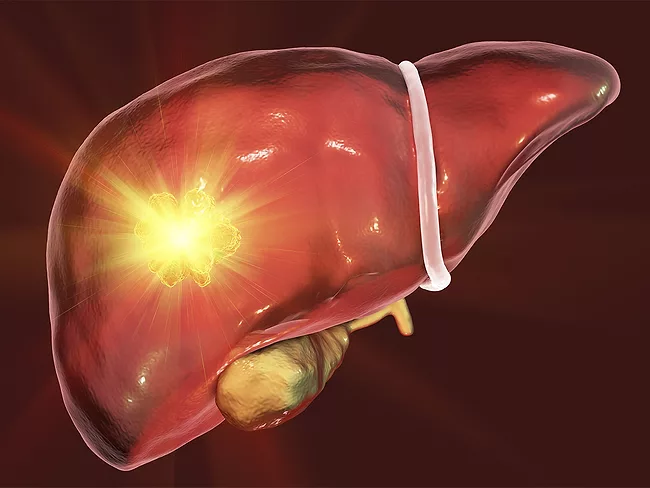
Aberrant activation of β-catenin, often due to mutations in its encoding gene or loss-of-function mutations in APC, contributes to tumor progression and therapy resistance, as seen in advanced hepatocellular carcinoma (HCC), where approximately 30% of cases exhibit β-catenin activation.
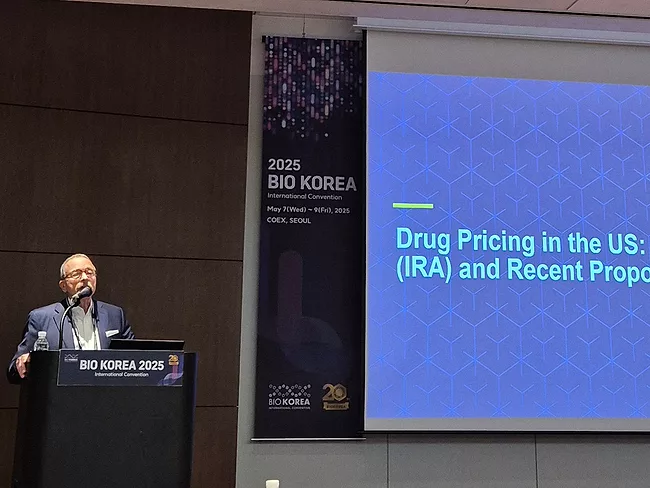
Ongoing policy issues in the U.S., including the Inflation Reduction Act and recent proposals under President Donald Trump’s administration, have wide ranging implications for the global biopharmaceutical industry, speakers at Bio Korea 2025 said May 8, including a heightened need for all biotechs to draft regulatory strategies.
The KRAS G12D mutation is the most common oncogenic KRAS variant, identified in approximately 34% of pancreatic ductal adenocarcinoma cases, 12% of colorectal cancers and 4% of lung adenocarcinomas.

 RSS
RSS