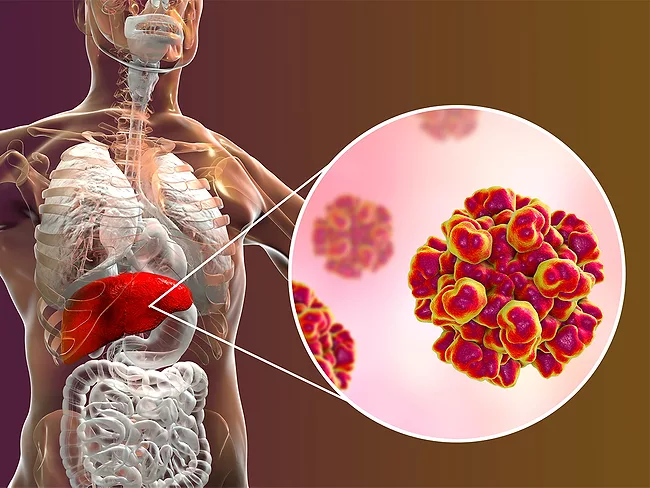
Atea Pharmaceuticals Inc. recently presented preclinical data on two of its compounds, AT-2490 and AT-587, which have shown promising antiviral potential for treating hepatitis E virus infection.
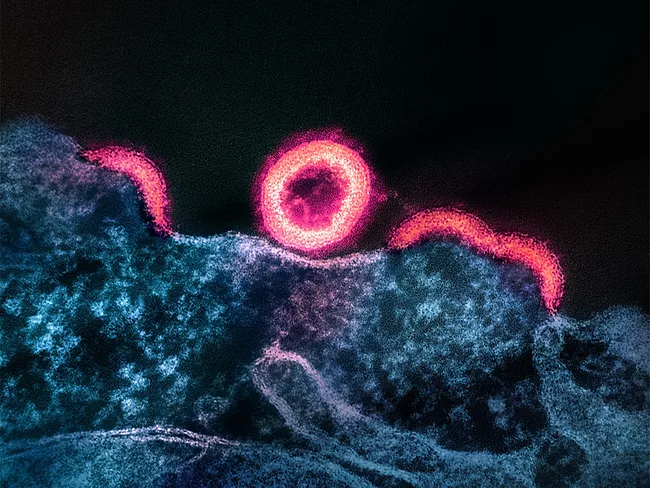
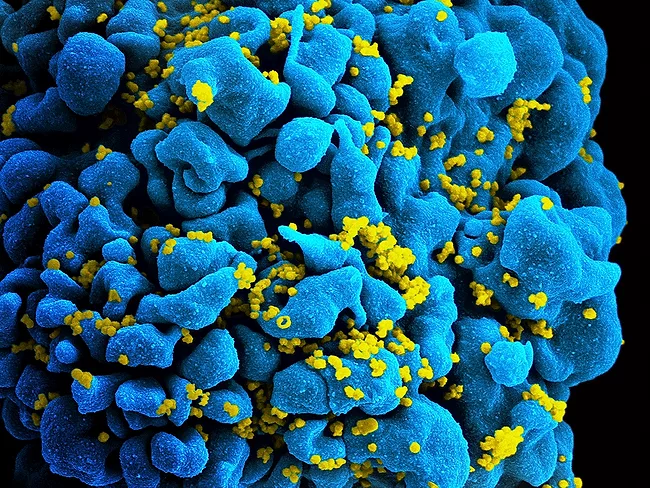
HIV-1 persistence in latent reservoirs of T lymphoid and myeloid origin is a major barrier for the cure of the disease, with complex and multifactorial mechanisms behind HIV-1 latency; thus, investigating these mechanisms is key for future targeted HIV therapies.
Gilead Sciences Inc.’s integrase strand transfer inhibitor (INSTI) GS-3242 is in early clinical development for HIV infection (NCT07001319). The company presented nonclinical data on the candidate at the recent CROI meeting in Denver.
A new isoform of proliferating cell nuclear antigen (PCNA) – cancer-associated PCNA (caPCNA) – that is specifically expressed in cancer tissues has been reported. Because cancer cells and HIV-infected cells have similar features, researchers from City of Hope National Medical Center tested the anit-HIV effects of a small-molecule compound, AOH-1996, that targets caPCNA.
Broadly neutralizing antibodies (bNAbs) target conserved HIV envelope regions to neutralize diverse strains, eliminate infected cells and reduce viral reservoirs, complementing antiretroviral therapy and supporting prevention and functional cure strategies.
The massive cuts to science, global health, and HIV programs that unfolded in 2025 triggered a crisis with worldwide repercussions. The dissolution of USAID, the shutdown of PEPFAR, and the suspension of thousands of NIH research projects led to an immediate collapse of essential services, from HIV prevention to access to treatment. At the 33rd Conference on Retroviruses and Opportunistic Infections (CROI) held Feb. 22-25, 2026, in Denver, scientists, activists, and health professionals presented data illustrating the scale of the damage and warned of a historic setback in the global HIV response.
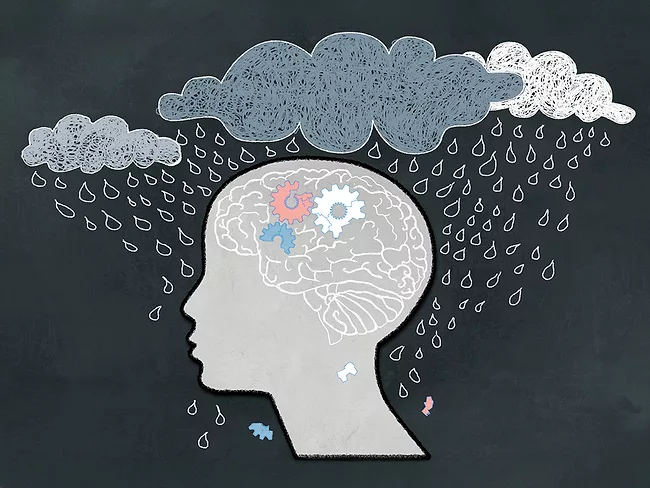
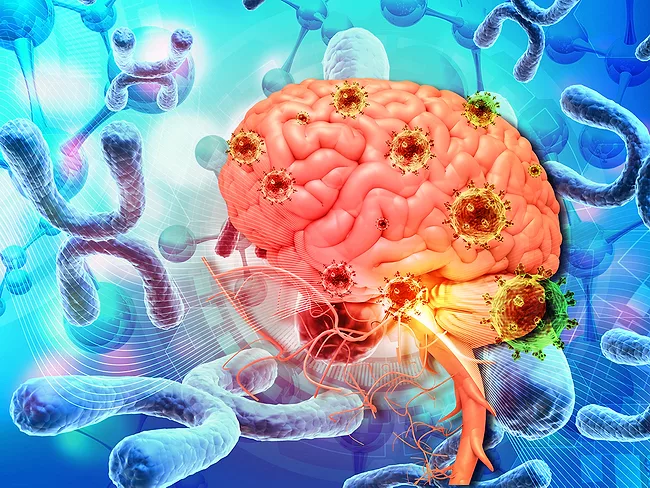
The effects of aging pose an additional challenge for people with HIV due to the neurological and psychological consequences that persist despite antiretroviral therapy. At the Conference on Retroviruses and Opportunistic Infections (CROI) held Feb. 22-25, 2026, in Denver, the scientific community examined how the virus affects the brain, how the reservoir is established in the CNS, and which genetic, immunological or treatment-related factors influence cognitive health.
Researchers from Model Medicines Inc. have presented preclinical efficacy data for MDL-001, a first-in-class, oral non-nucleoside inhibitor that targets an allosteric site in the Thumb-1 domain of the viral polymerase.
Antiretroviral therapies against HIV have been in use for more than 30 years and have enabled people living with HIV to maintain undetectable viral levels. Many of them are aging in good health. However, others present symptoms of cognitive decline. HIV can reach the brain and establish a reservoir there. Yet, it is still unknown what this reservoir is like, which cells are affected, and which comorbidities are typical of aging or are associated with the virus.
Although safe and effective vaccines for SARS-CoV-2 have been successfully developed, there are currently no therapeutic approaches available for treating acute infection, particularly for individuals at high risk of severe disease progression, and for preparedness against a potential new coronavirus pandemic.
 RSS
RSS