SMARCA4-deficient cells have shown dependency on SMARCA2 for survival, suggesting SMARCA2 as a promising synthetic lethal target in SMARCA4-deficient cancers. Chinese researchers recently published data on a series of SMARCA2 PROTACs, among which compound [I] exerted good SMARCA2 degradation.
Simcere Zaiming Pharmaceutical Co. Ltd.’s SIM-0613 for injection has received clinical trial approval from China’s National Medical Products Administration (NMPA), enabling initiation of a clinical trial for advanced solid tumors.
Signadori Bio SAS has successfully completed its seed extension financing round, bringing to €11.1 million (US$13 million) the total raised to support its development of a next-generation, off-the-shelf, in vivo-engineered, monocyte immunotherapy platform to treat solid tumors.
Yuanyi Wise Tech (Ningbo) Ltd. has prepared and tested new tricyclic compounds acting as son of sevenless homolog 1 (SOS1)/GTPase KRAS (G12V mutant) interaction inhibitors potentially useful for the treatment of cancer.
Genosco Inc. has patented new molecular glue degraders comprising cereblon-binding agents acting as GSPT and/or Myc proto-oncogene protein (c-Myc) degradation inducers designed for use in the treatment of cancer.
Tumors with strong immunosuppressive microenvironments such as microsatellite-stable colorectal cancer (MSS-CRC) remain unresponsive to immune checkpoint blockade therapy, with <20% of gastrointestinal tumors responding to therapy.
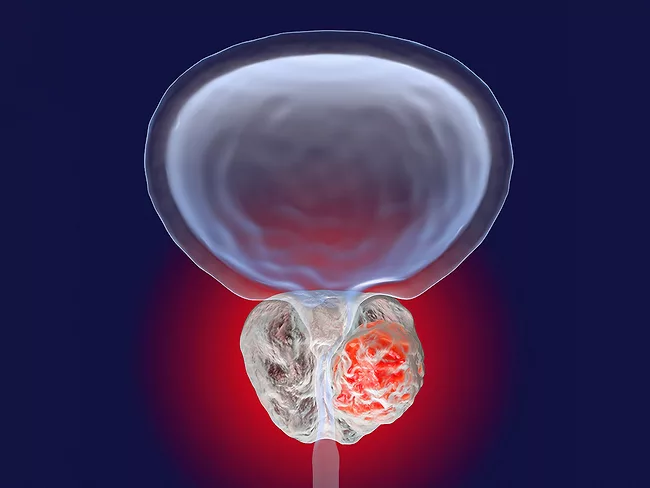
Researchers from Flare Therapeutics Inc. presented the preclinical profile of FX-111, a selective active androgen receptor (ARON) degrader, in models of prostate cancer.
Gliomas are malignant tumors in the brain characterized by aggressive growth, poor prognosis and high mortality, and for which effective therapies are still lacking. Zinc finger protein 207 (ZNF207) is highly expressed in gliomas and represents a promising therapeutic target; researchers from the China Pharmaceutical University have developed and presented data for the ZNF207 inhibitor TMLZ-G46.
In a recent study published in the Journal for Immunotherapy of Cancer, researchers from the University of Chicago and Pyxis Oncology Inc. investigated the role of KLRG1 in limiting antitumor immunity and evaluated its potential as a therapeutic target in patients refractory to first-generation checkpoint inhibitors. KLRG1 is an immunoreceptor tyrosine inhibitory motif domain-containing receptor identified as a marker of senescent/terminally differentiated T and natural killer (NK) cells.
 RSS
RSS