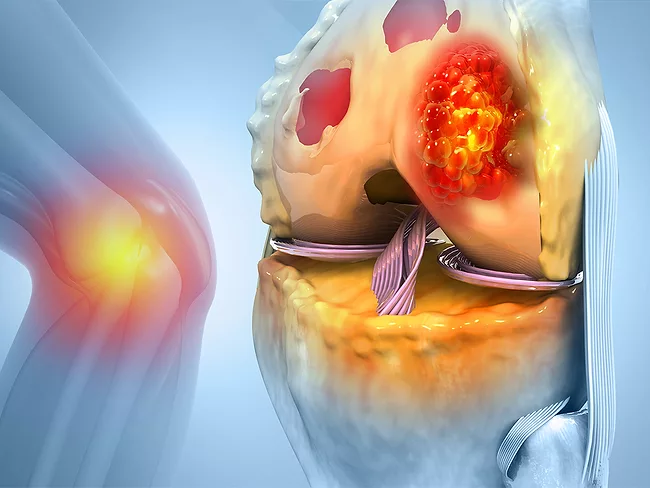
Pfizer Inc. has reported new biaryl acid compounds acting as phosphatidylinositol 3-kinase α (PI3Kα) H1047R mutant inhibitors potentially useful for the treatment of cancer.
Neurotensin receptor 1 (NTSR1) is overexpressed in several aggressive solid tumors, including colorectal and pancreatic cancer, making it a promising therapeutic target. SKL-35501 is a novel 225Ac-labeled radiopharmaceutical developed by SK Biopharmaceuticals Co. Ltd. that targets NTSR1 for α-particle therapy.
At the recent meeting of the Society of Nuclear Medicine and Molecular Imaging, researchers from Actinium Pharmaceuticals Inc. presented preclinical efficacy data on ATNM-400 in models of non-small-cell lung cancer (NSCLC).
Sotio Biotech AS’s SOT-106 has been granted orphan drug designation by the FDA for the treatment of osteosarcoma. SOT-106 is a next-generation antibody-drug conjugate targeting leucine-rich repeat-containing 15 (LRRC15), a clinically validated target broadly expressed across sarcoma subtypes and in tumor-associated stroma.
IMU Biosciences Ltd. has closed its series A at £40 million (US$53.9 million), adding £28.5 million to the initial close in January 2024, and bringing the total raised since the company’s formation in 2021 to £45 million. Since that first close, IMU has built what is claimed as the world’s largest high-definition immune system dataset, with almost 25,000 profiles of healthy volunteers and disease-specific patient cohorts.
Chomix Biotech (Nanjing) Co. Ltd. has patented new irreversible fibroblast activation protein-α (FAPα) inhibitors potentially useful for the diagnosis or treatment of rheumatoid arthritis, atherosclerosis, cancer, myocardial infarction, kidney fibrosis, pulmonary and hepatic fibrosis, and among others.
Synnovation Therapeutics Inc. has identified new heterocyclic poly(ADP-ribose) glycohydrolase (PARG) inhibitors described as useful for the treatment of cancer.
CSPC Pharmaceutical Group Ltd. has obtained clinical trial clearance from China’s National Medical Products Administration (NMPA) for SYS-6063, an mRNA-LNP-based dual-target CAR T-cell injection for the treatment of relapsed or refractory systemic lupus erythematosus (SLE).

 RSS
RSS