Iambic Therapeutics Inc.’s multiyear technology and discovery pact with Takeda Pharmaceutical Co. Ltd. could help the San Diego-based firm advance its own pipeline in a big way.
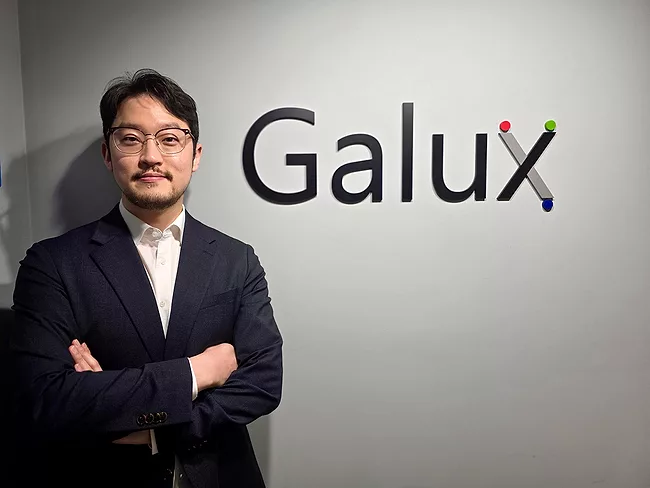
Galux closed a ₩42 billion (US$29 million) series B round Feb. 10, led by Yuanta Investment to bring AI-driven “rational design” to the protein drug development process, already heavily influenced by human engineering.
The scale of the $8.5 billion deal signed between Innovent Biologics Inc. and Eli Lilly and Co. is eye-catching, but the structure is the real signal. By shifting phase II oncology development to China while reserving global rights ex-greater China, the partners are testing a model that could reshape how multinational drugmakers source innovation as well as how Chinese biotechs create value.
The BioWorld Cancer Index closed 2025 up 72.35%, outpacing gains in the Nasdaq Biotechnology Index (up 32.4%) and the Dow Jones Industrial Average (up 12.97%). The year featured standout gains, led by Terns Pharmaceuticals Inc., which surged 620%.
After raising $61 million in a series B round, Vibrant Therapeutics Inc. is gearing up to begin a U.S. phase I trial with its lead program, VIB-305, a masked T-cell engager (TCE) for treating EGFR-positive solid tumors.
Pricing the third and largest biopharma IPO of 2026, Eikon Therapeutics Inc. raised $381 million in an upsized offering of 21.18 million shares of common stock at $18 each, the high point of its price range.
Newco ALTx Therapeutics Ltd. has launched with a £12.55 million (US$17.1 million) seed round to develop inhibitors of the alternative lengthening of telomeres (ALT) pathway, by which 10% to 15% of cancers become immortal.
An AI-based software developed by Screenpoint Medical BV could help detect breast cancers earlier and reduce the number of cancers that appear between routine screenings. In a trial of over 100,000 women, the use of the company’s Transpara Detection system resulted in a 12% reduction in the rate of interval cancers, compared to standard mammography screening. The results from the Mammography Screening with Artificial Intelligence study was published in the Lancet.
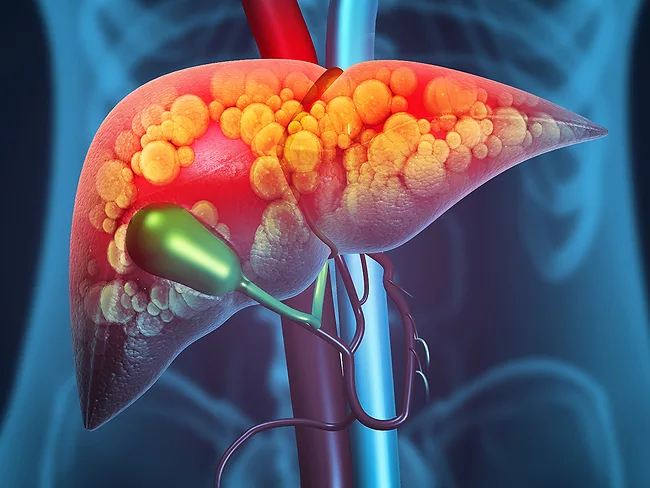
Liver fibrosis in the course of metabolic dysfunction-associated steatohepatitis could be significantly reduced using CAR T-cells generated in vivo. Scientists at the Icahn School of Medicine at Mount Sinai have developed an experimental cell therapy that eliminates only one type of liver cell, the stellate cells that express fibroblast activation protein alpha. This strategy not only reduced fibrosis but also reversed liver damage.
Elevar Therapeutics Inc. appointed Kim Dong-gun (DG) as CEO Jan. 29, as the company focuses on post-NDA strategies for lirafugratinib in bile duct cancer, and the twice-rejected rivoceranib-camrelizumab combination for liver cancer.

 RSS
RSS




-CEO-Elevar-1-30.webp?height=488&t=1769801176&width=650 "Kim Dong-gun (DG), CEO, Elevar")