What one analyst called an “intriguing” overall survival signal in phase III results has Karyopharm Therapeutics Inc. planning to meet with the U.S. FDA about a would-be sNDA filing for Xpovio (selinexor) in myelofibrosis (MF).
With incidence of kidney cancer rising in the U.K., the National Institute for Health and Care Excellence (NICE) published its first comprehensive guidelines for diagnosing and treating the disease.
Laigo Bio BV has extended its seed round to €17 million (US$19.8 million), after making progress with translating its novel E3 ubiquitin ligase targeted protein degradation technology toward the clinic.
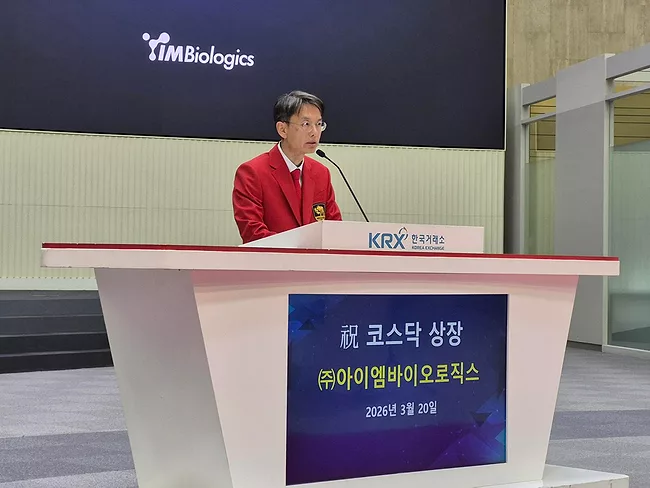
Imbiologics Corp.’s market capitalization reached ₩1.5 trillion (US$1.02 billion) on its Kosdaq debut March 20, as the biotech seeks to become a leading antibody drugmaker for autoimmune diseases.
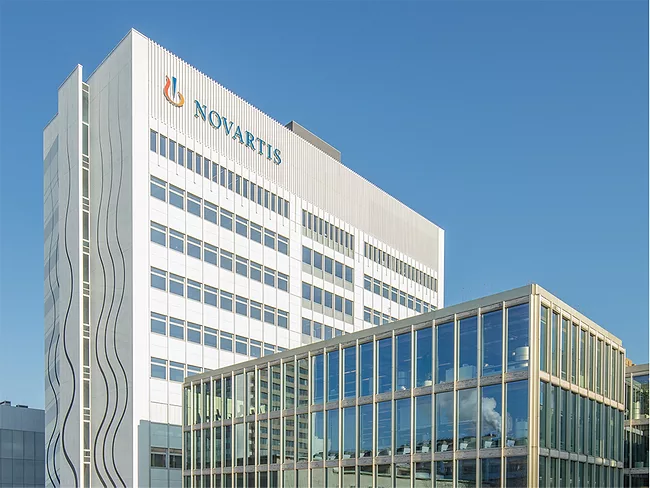
Facing increasing competition to PI3Kα inhibitor Piqray (alpelisib) in breast cancer, Novartis AG looks to bolster its pipeline with next-generation programs, including phase I/II-stage candidate SNV-4818, by way of a potential $3 billion deal with Synnovation Therapeutics LLC.
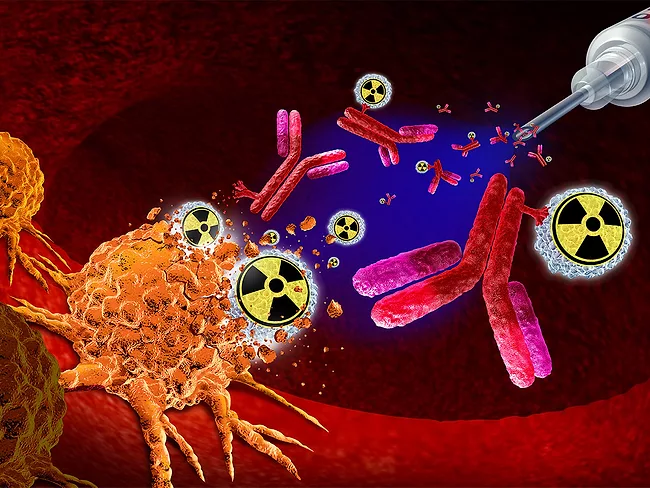
Once confined to a niche in nuclear medicine, targeted radionuclide therapy is rapidly gaining momentum and becoming one of the fastest-growing strategies in oncology. Evidence of this surge was clear at the 2026 European Society of Medical Oncology Targeted Anticancer Therapy (ESMO TAT) congress, where the topic was highlighted both at the ESMO Colloquium and in the session titled “The Future of Radioligands: Insights from Industry, Regulation and Clinical Practice,” with various speakers sharing their perspectives on the modality’s current role and future potential.
Crossbow Therapeutics Inc. closed a $77 million series B round to support an ongoing phase I Crosscheck-001 trial of lead program, CBX-250, and additional T-Bolt immunotherapies targeting a broad range of cancers.
Early clinical data from Simcere Pharmaceutical Group Ltd. suggest its PD-L1/IL-15 bispecific antibody, SIM-0237, could emerge as a next-generation contender in Bacillus Calmette-Guérin-unresponsive non-muscle-invasive bladder cancer.
Excalipoint Therapeutics Inc. launched with an oversubscribed $68.7 million seed financing round to advance a portfolio of T-cell engagers for solid tumors, marking one of the largest early stage financings in China biotech history.
In the opening sessions of this year’s ESMO Targeted Anticancer Therapies Congress, Elena Garralda, director of the Molecular Therapeutics Research Unit at Vall d’Hebron Institute of Oncology in Barcelona, described ESMO TAT as “the house of phase I,” a fitting label for a meeting centered on translational research and early drug development, where first-in-human data and new trial designs help shape the next generation of cancer therapies.
 RSS
RSS