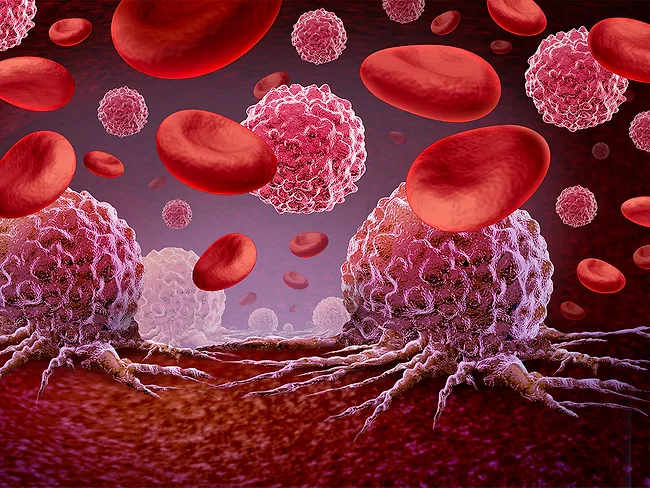
The U.S. FDA has accepted and granted priority review to Daiichi Sankyo Co. Ltd. and Merck & Co. Inc.’s BLA of ifinatamab deruxtecan, a B7-H3-directed antibody-drug conjugate (ADC) to treat patients with advanced extensive-stage small-cell lung cancer.
RNA epigenetics specialist Storm Therapeutics Ltd. has closed a $56 million series C to fund phase II development of its lead RNA enzyme inhibitor, STC-15, in treating myo- and liposarcomas, and announced that the first patient has been treated in the trial.
A pricing standoff between Pfizer Inc. and the Australian government has left women with advanced breast cancer facing tens of thousands of dollars in out-of-pocket costs, underscoring a growing global trend in which access to life-extending drugs is increasingly being shaped by pricing negotiations rather than clinical merit.
In what shakes out to be the largest follow-on stock offering in biopharma history, Revolution Medicines Inc., an oncology company that was the subject of buyout rumors earlier this year, priced 10.56 million shares to raise $1.5 billion just two days after wowing investors with top-line phase III data of its RAS inhibitor daraxonrasib in patients with metastatic pancreatic ductal adenocarcinoma.
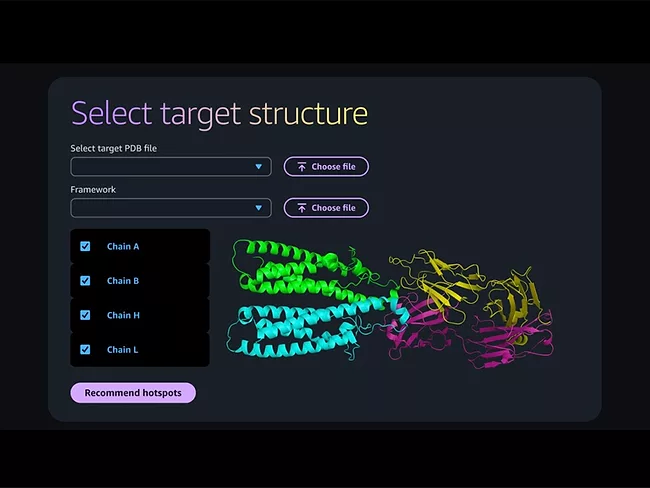
Amazon is extending the reach of its “everything store” into drug R&D with the launch of an artificial intelligence-powered Bio Discovery business. The company has compiled a catalogue of 40-plus foundation models that have been trained on extensive biology datasets and are able to generate and evaluate drug molecules in silico. For now, this covers antibodies only, but it is intended to move into other modalities.
Researchers at the University of Edinburgh are pioneering a cancer therapy that destroys tumors from within while reawakening the immune system, using synthetic super-enhancers (SSEs) to drive targeted killing and durable protection against recurrence. The work builds on a decade of research focused on how glioblastoma stem cells (GSCs) sustain their aggressive cancer identity.
Regeneron Pharmaceuticals Inc. is entering the radiopharmaceutical space via a collaboration with Telix Pharmaceuticals Ltd. to jointly develop and commercialize next-generation radiopharmaceutical therapies.
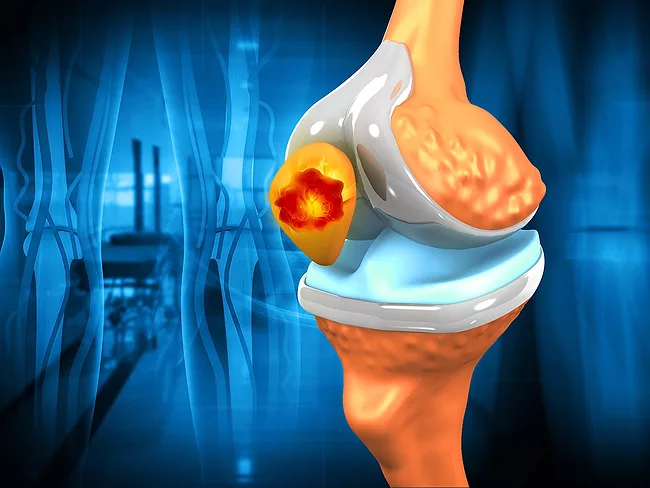
Synox Therapeutics Ltd. is preparing to file for FDA approval of emactuzumab in treating tenosynovial giant cell tumor (TGCT), after announcing positive top-line phase III results.
“Home-run” efficacy and what Cowen analyst Tyler Van Buren called “pristine” safety in the phase II Alpha3 study with CAR T therapy cemacabtagene ansegedleucel (cema-cel) sent shares of Allogene Therapeutics Inc. (NASDAQ:ALLO) skyward to a $4.46 high, up nearly 64%, on April 13. Shares eventually closed at $3.06, up 34 cents.
“Unprecedented,” “remarkable” and “transformative” were just a few of the descriptives tossed out by Wall Street analysts in response to Revolution Medicines Inc.’s phase III readout, showing RAS inhibitor daraxonrasib hit its overall survival and progression-free survival endpoints in previously treated patients with metastatic pancreatic ductal adenocarcinoma, setting up the company for potential regulatory filings this year and triggering another round of M&A speculation.
 RSS
RSS