Soligenix Inc. intends to spend the next weeks further analyzing data and reviewing strategic options in the wake of a disappointing interim analysis from a pivotal phase III study testing Hybryte, its synthetic hypericin, in cutaneous T-cell lymphoma.
After a hiatus of more than nine months, the U.S. FDA’s Oncologic Drugs Advisory Committee (ODAC) will meet April 30 to discuss two Astrazeneca plc applications – an NDA for camizestrant used in combination with a CDK4/6 inhibitor to treat HR+HER2- locally advanced or metastatic breast cancer and an sNDA for Truqap (capivasertib) to treat metastatic hormone-sensitive prostate cancer that’s phosphatase and tensin homolog deficient.
Eli Lilly and Co. is acquiring Ajax Therapeutics Inc. for up to $2.3 billion in cash, gaining access to next-generation JAK inhibitors for patients with myeloproliferative neoplasms.
Having already hit the primary endpoint of overall response rate in the phase II/III Companion-002 study testing the bispecific antibody tovecimig in biliary tract cancer, Compass Therapeutics Inc. rolled out new data from the same experiment and plans to meet with the U.S. FDA to discuss a BLA. Shares of the Boston-based firm (NASDAQ:CMPX) closed April 27 at $1.79, down about 64%, or $3.23, as Wall Street sifted the results.
Ribo Life Science Co. Ltd.’s HK$1.8 billion (US$230 million) raise on Jan. 9 was the sole Chinese biotech IPO on the Hong Kong Stock Exchange in the first quarter (Q1) of 2026, despite a growing backlog of more than 70 filings from China life science firms in 2025. Among med-tech companies, Hangzhou Diagens Biotechnology Co. Ltd. debuted with a $101 million Hong Kong IPO March 30, 2026.
Akeso Pharmaceuticals Inc. has raised the bar for next-generation immuno-oncology, reporting more than 23 months median overall survival in pancreatic cancer with its PD-1/CTLA-4 bispecific antibody cadonilimab, as emerging competitors begin to post earlier signals across solid tumors at the American Association for Cancer Research annual meeting in San Diego April 17 to 22.
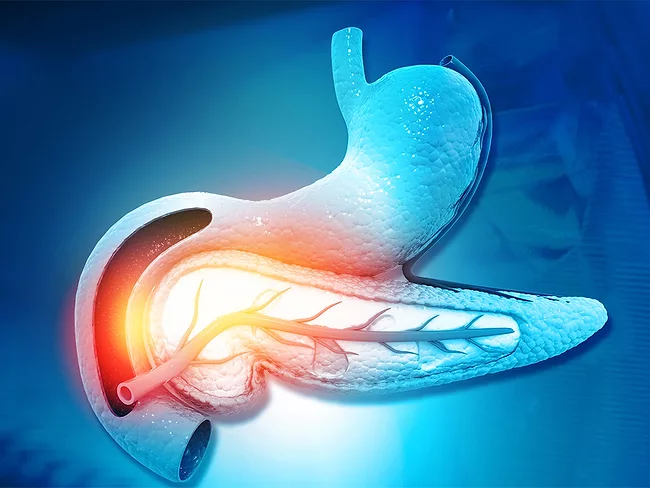
Netris Pharma SA has delivered positive phase Ib data showing its first-in-class netrin-1 inhibitor NP-137 alleviates resistance to chemotherapy in pancreatic cancer. This could represent an important advance in treating these tumors, which are notoriously resistant to chemotherapy.
And the positive news continues to flow for Revolution Medicines Inc. On the heels of a successful phase III trial for RAS inhibitor daraxonrasib in previously treated patients with metastatic pancreatic ductal adenocarcinoma (PDAC) – not to mention the firm pricing the largest follow-on offering in biopharma history – Revolution presented updated phase I/II data at the American Association for Cancer Research (AACR) meeting detailing impressive findings in first-line PDAC patients.
Shanghai Junshi Biosciences Co. Ltd reported early clinical signals across its next-generation immuno-oncology pipeline, including response rates of up to 71% in metastatic colorectal cancer and 45.5% in hepatocellular carcinoma, at the American Association for Cancer Research meeting in San Diego.
Biogen Inc. has consolidated full global rights to felzartamab through an $850 million deal with TJ Biopharma Co. Ltd. April 20, closing the chapter on a complex 10-year license saga.

 RSS
RSS