Amplia Therapeutics Ltd. has halted recruitment in its phase II Amplicity trial in advanced pancreatic cancer due to three dose-limiting toxicities related to the chemotherapy regimen, modified FOLFIRINOX (mFOLFIRINOX), which is being administered in combination with lead compound narmafotinib (AMP-945), a focal adhesion kinase inhibitor.
German company Tubulis GmbH, which emerged with a $12.3 million series A round and a next-generation antibody-drug conjugate (ADC) platform about six years ago, has commanded up to $5 billion in a buyout offer from Gilead Sciences Inc.
Stipple Bio Inc. raised $100 million in a series A financing to support progression of the company’s lead drug, STP-100, an antibody-drug conjugate that binds an undisclosed target, and the company’s Pointillist discovery platform.
Swedish startup One-carbon Therapeutics AB is going after solid tumors with an approach that looks similar to synthetic lethals to some people, and to chemotherapy to others. But One-carbon CEO Ana Slipicevic said that TH-9619, the company’s first-in-class inhibitor of the enzyme MTHFD1/2, is neither of those things.
Hematopoietic stem cell research over the past century has shown that leukemia may be driven by an invisible hand of inflammation. The bone marrow and inflammation, then, may hold the keys to preventing blood cancers, according to John E. Dick’s plenary session at the 2026 Korean Society of Hematology International Conference, held March 26, 2026.
Deep molecular advances are enabling precision medicine for the field of hematology, Wyndham Wilson said during a plenary session at the 2026 Korean Society of Hematology International Conference March 26.
Introduced last year as a pilot program, the U.S. FDA Commissioner’s National Priority Voucher (CNPV) could be here to stay – at least for the duration of Marty Makary’s tenure as FDA commissioner. Since the FDA unveiled the CNPV last June, it has welcomed 18 products from 16 companies into the “game-changer” program for patients, as Makary described it. The goal is to provide an “ultrafast review pathway,” one to two months instead of the standard 10 to 12 months, for drugs and biologics of strategic national importance while maintaining the FDA’s scientific and regulatory standards, according to the agency.
As expected, the EMA is recommending withdrawal of the mpox indication for Siga Technologies Inc.’s tecovirimat, whilst maintaining its approval as a treatment for smallpox, cowpox and adverse reactions to vaccinia vaccines.
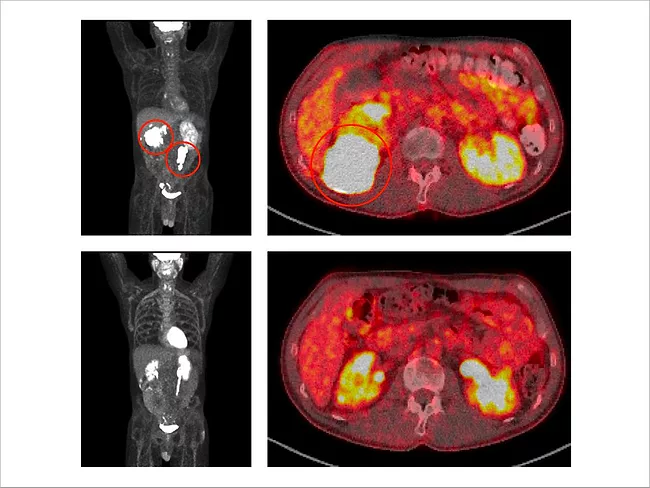
In a small Houston clinic, more than a decade ago, patients with advanced cancer were receiving treatments that used radioactive molecules to seek out tumors and destroy them from within using an approach that would eventually help reshape oncology.
 RSS
RSS