Newco Idel Therapeutics GmbH has closed a €9 million (US$10.4 million) seed round to advance the development of a technology for delivery of cytotoxic drugs directly into the cytosol of tumor cells.
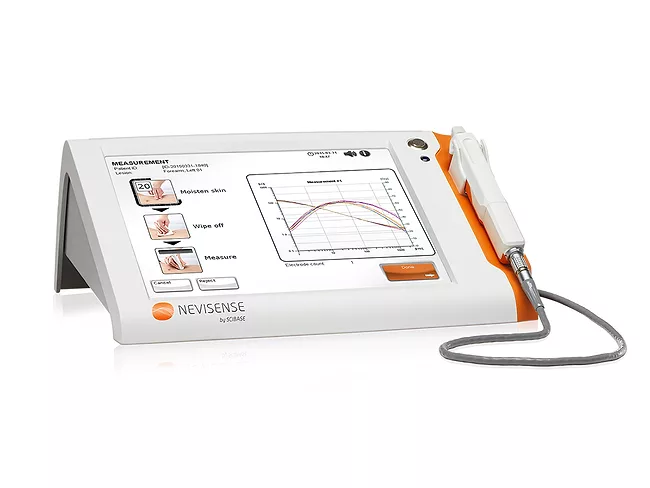
The U.S. FDA has issued a final order to reclassify optical diagnostic devices for melanoma detection and electrical impedance spectrometers from class III to class II, with special controls required.
Repeated promotional claims Patrick Soon-Shiong made about Immunitybio Inc.’s Anktiva – such as “We have now discovered and developed this drug … approved for bladder cancer, but it actually can treat all cancers” – landed the Culver City, Calif., company a strongly worded warning letter from the U.S. FDA.
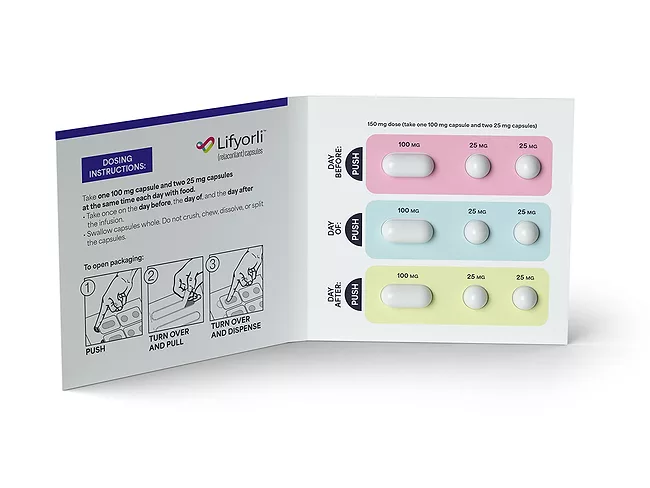
The U.S. FDA approved Corcept Therapeutics Inc.’s oral, selective glucocorticoid receptor antagonist, Lifyorli (relacorilant), nearly four months ahead of schedule for adults with platinum-resistant epithelial ovarian, fallopian tube or primary peritoneal cancer. A short time after the agency approved Lifyorli, it cleared Denali Therapeutics Inc.’s Avlayah (tividenofusp alfa) under the accelerated approval pathway for mucopolysaccharidosis II, also called Hunter syndrome, ahead of the April 5 PDUFA date.
Only a few months after reporting what it called “unprecedented” phase I data for its BCR-ABL1 tyrosine kinase inhibitor in chronic myeloid leukemia, Terns Pharmaceuticals Inc. agreed to an acquisition by Merck & Co. Inc. valued at about $6.7 billion. For Terns, the deal validates the decision last year to switch focus from its metabolic pipeline to oncology and, for Merck, it’s the latest move as the big pharma looks to shore up its offerings ahead of patent expirations for cancer blockbuster drug Keytruda (pembrolizumab).
Gilead Sciences Inc. said after U.S. market close March 23 that it will acquire privately held Ouro Medicines LLC and its autoimmune BCMA/CD3 bispecific T-cell engager, gamgertamig, in a deal valued at $2.17 billion.
At BioEurope Spring 2026, pharma representatives and investors shared their thoughts about current and future landscapes of different disease areas, and on how to move toward success – both at the level of individual companies and for indications as a whole.
What one analyst called an “intriguing” overall survival signal in phase III results has Karyopharm Therapeutics Inc. planning to meet with the U.S. FDA about a would-be sNDA filing for Xpovio (selinexor) in myelofibrosis (MF).
With incidence of kidney cancer rising in the U.K., the National Institute for Health and Care Excellence (NICE) published its first comprehensive guidelines for diagnosing and treating the disease.
Laigo Bio BV has extended its seed round to €17 million (US$19.8 million), after making progress with translating its novel E3 ubiquitin ligase targeted protein degradation technology toward the clinic.
 RSS
RSS