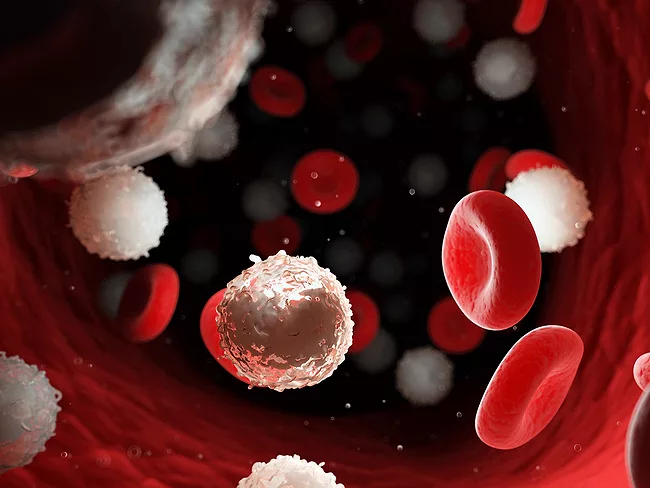
TG Therapeutics Inc. got a dose of good news when the independent data safety monitoring board recommended that the UNITY-CLL study be stopped early for superior efficacy after an interim analysis showed its umbralisib and ublituximab combination (U2) helped patients with chronic lymphocytic leukemia (CLL).
The business of cancer therapy in the U.S. is where the big money is, and the Menarini Group, a privately held Italian pharma and diagnostics company, just got a place at the table with its acquisition deal worth up to $677 million for New York’s Stemline Therapeutics Inc.
The activity of many proteins is controlled through phosphorylation by kinases and dephosphorylation by phosphatases. Overactive kinases are one of the major drivers of tumors and, as a result, kinase inhibitors are a mainstay of oncology drug development. But “activation of the brakes, the phosphatases, could be equally therapeutically viable for the treatment of a broad range of cancers” to kinase inhibition, Goutham Narla told the audience at the 2020 American Association for Cancer Research (AACR) meeting.
Seattle-based Neoleukin Therapeutics Inc. is targeting the end of 2020 for an IND submission related to prospective cancer immunotherapy NL-201, described as an engineered, hyperstable agonist of interleukin-2 (IL-2) and IL-15. It’s meant to eliminate alpha receptor binding and thereby overcome the problems with native IL-2.
A pair of good-news items from Chimerix Inc. pushed the Durham, N.C.-based company’s stock (NASDAQ:CMRX) to $2.15, closing up 64 cents, or 42%, higher as backers reacted to near-term NDA plans for smallpox countermeasure brincidofovir (BCV) and the start of a phase II/III trial with dociparstat sodium (DSTAT) in COVID-19 patients with acute lung injury (ALI).
The phase III failure of Blueprint Medicines Corp.’s avapritinib to meet its primary endpoint of improving progression-free survival (PFS) in patients with locally advanced unresectable or metastatic gastrointestinal stromal tumors (GIST) pummeled the company stock on Tuesday but boosted shares and hopes at Deciphera Pharmaceuticals Inc.
CYBERSPACE – At a series of new drugs on the horizon sessions at the 2020 American Association for Cancer Research (AACR) Virtual Annual Meeting I, a variety of companies presented preclinical and clinical data for promising early stage oncology products.
DUBLIN – Thrive Earlier Detection Corp. and its academic and clinical collaborators have provided a first glimpse at the utility of a liquid biopsy test as a screening tool for picking up cancers in an asymptomatic population. In an interim one-year readout of data from the prospective five-year DETECT-A study in 10,000 women, an early version of Thrive’s Cancerseek test picked up 26 cancers ahead of standard-of-care screening, while the latter modality picked up another 24 cancers that Cancerseek missed.
Blincyto (blinatumomab, Amgen Inc.), the first FDA-approved bispecific antibody, gained regulatory approval in 2014, but the intervening years have been fairly bleak for bispecific antibodies as companies worked through technical challenges.
BEIJING – Pre-revenue Chinese biotech Akeso Inc., of Zhongshan, Guangdong province, launched a high-profile IPO on April 24 in Hong Kong to reap HK$2.4 billion (US$314 million), even though the economy is taking a hard hit from the COVID-19 pandemic.
 RSS
RSS