Swiss pharmaceutical giant Novartis AG is selling off its India-listed business unit, Novartis India Ltd. (NIL), to a private equity-led consortium for about ₹14.46 billion (US$159.3 million) as it seeks to grow with “pure-play innovation.”
Grail Inc.’s share price dropped more than 50% in premarket trading Feb. 20 after it reported late the day before that the NHS-Galleri trial did not meet its primary endpoint. The U.K study, done though the National Health Service with 142,000 individuals enrolled, evaluated the ability of Grail’s Galleri multicancer early detection test to look for cancer-specific methylation patterns in blood.
SLAMF6 is an immune cell receptor whose function was not clear. Does it activate or inhibit cells? The results so far have been contradictory. Now, scientists at the Institut de Recherches Cliniques de Montréal have unveiled evidence that SLAMF6, a protein of the SLAM family that binds to copies of itself, is regulated by interactions between molecules of the same receptor within the same cell.
Med-tech companies with an AI component in their solutions will certainly find investors willing to back them. AI after all, is being used to develop more effective, smarter technologies. However, investors will only deploy capital into innovations that address genuine clinical needs. The aging population is driving interest in devices targeting cardiovascular and musculoskeletal disorders, and other solutions geared toward neurological conditions, women’s health and diagnostics are also attracting investor attention.
Gilead Sciences is stepping deeper into synthetic lethality, licensing a clinic-ready MAT2A (methionine adenosyltransferase 2a) inhibitor from Suzhou, China-based Genhouse Bio Co. Ltd. in a deal worth up to $1.53 billion.
Less than four months after company officials said they would explore options to find ways of maximizing shareholder value, Sensei Biotherapeutics Inc. disclosed the buyout of Faeth Therapeutics Inc. by way of a stock-for-stock deal – news that sent shares (NASDAQ:SNSE) to a closing price Feb. 18 of $26.25, up $17.12, or 187.5%.
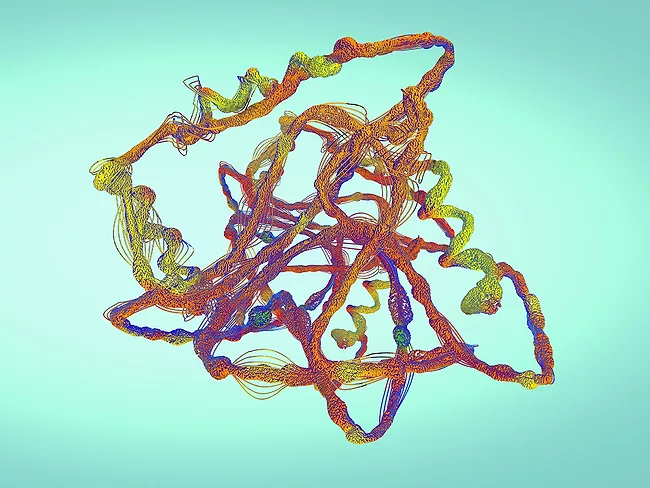
A project that started as a bioreactor to assist astronauts in deep space to keep medications safe in a microgravity environment could help pharma companies model how drugs behave in the human body. Omnigeniq unveiled at the J.P. Morgan Healthcare conference the first computer model of a human protein as it exists in the body, confirming that native protein topology can be calculated directly from physics.
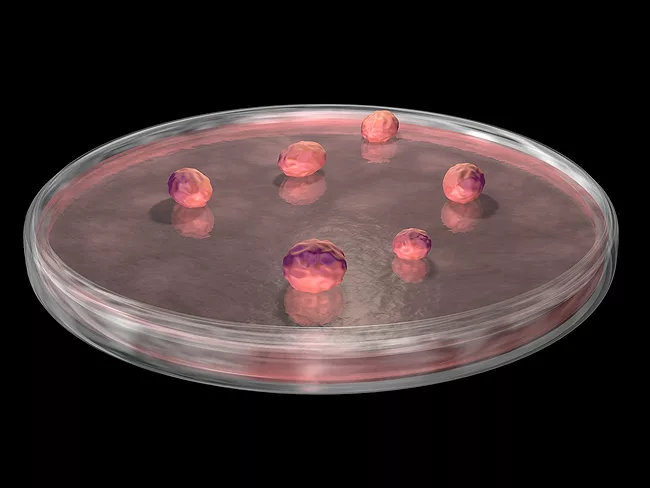
The variety of organoids that can be developed in vitro is enabling major advances. Depending on the type of tissues and the research goals, these small 3D cell-based structures that mimic real tissue offer certain advantages over animal models. Scientists at the University of Padova in Italy have created human neuromuscular organoids to reproduce cancer-induced muscle cachexia, a condition that murine models do not accurately replicate.
More than a decade after it was first proposed, the U.S. Precision Medicine Initiative that grew into the NIH’s All of Us dataset has reached its target of collecting genetic and health-related data from 1 million Americans representative of the diversity across the country.
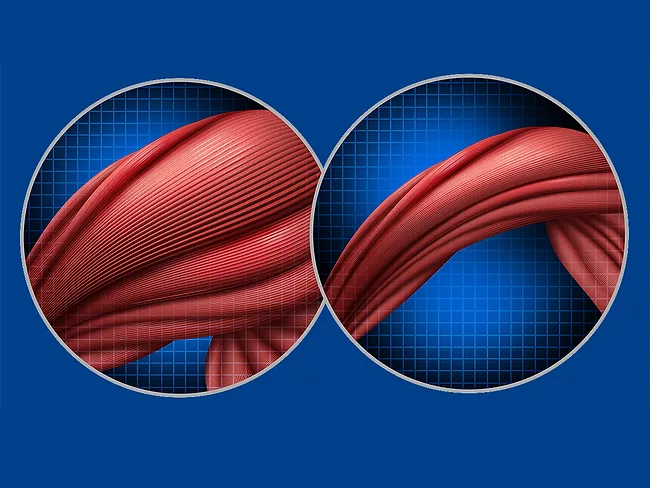
A circuit formed by tumor, immune and nervous systems triggers cancer cachexia and anorexia, the excessive loss of weight, muscle and fat experienced in some cancer types. A new study is the first showing these three actors of a triangle interaction that initiates and feeds the process.

 RSS
RSS