Merck KGaA is exercising its option for a global license to commercialize Abbisko Therapeutics Co. Ltd.’s pimicotinib for $85 million. As previously reported by BioWorld, Abbisko out-licensed China rights to its colony-stimulating factor 1 receptor inhibitor, pimicotinib, to Merck in a deal worth up to $605.5 million in December 2023.
French biotech Pep-Therapy SAS is in the midst of raising a €20 million (US$21.62 million) round and, at the same time, prospecting for potential partners after winning FDA orphan drug designation for its bifunctional peptide Pep-010 in the treatment of pancreatic cancer. Pep-010 currently is moving to the conclusion of a phase Ib trial and the new money will fund phase II development.
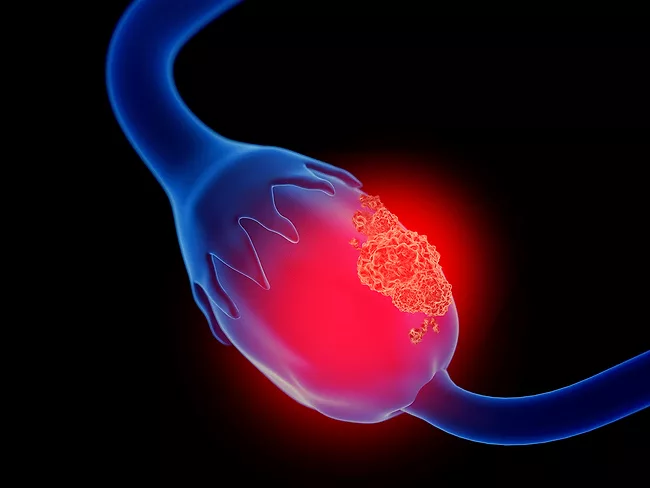
Relacorilant, a cortisol modulator from Corcept Therapeutics Inc., produced new and strong phase III results in treating platinum-resistant ovarian cancer. The company also has relacorilant in studies that could eventually lead to approval in other indications. In the near term, though, the positive data led to the company’s stock (NASDAQ:CORT) closing 109% higher at $114.22 per share on March 31.
It was a mixed day for Daewoong Pharmaceutical Co. Ltd., which disclosed separately on March 28 both the termination of a $336 million licensing deal with CS Pharmaceuticals Ltd. and upbeat plans to unveil three new oncology assets at the upcoming American Association for Cancer Research in April.
The EMA has rejected the Alzheimer’s disease therapy Kisunla (donanemab) from Eli Lilly and Co., saying the benefits of the anti-amyloid antibody do not outweigh the risks of edema and hemorrhage in the brain, known as amyloid-related imaging abnormalities (ARIA).
Bispecific antibodies have gotten plenty of press in recent years, but less prominent in headlines are bifunctional ones – i.e., those that boast one binding site for an antigen and another site for a non-antibody molecule such as a toxin or drug, taking aim at a single target and bringing a secondary function for extra oomph.
Acrivon Therapeutics Inc. provided updated phase II data for checkpoint kinase candidate ACR-368, highlighting promising response rates for biomarker-positive patients with endometrial cancer and raising the possibility of an accelerated pathway in the second-line setting.
Astrazeneca plc is investing heavily in China, signing two R&D deals, worth up to about $8 billion in up-front payments and milestones combined, with Chinese companies Harbour Biomed Ltd. and Syneron Bio, establishing a joint venture with Shenzhen Kangtai Biological Products Co. (Biokangtai) for vaccines, and creating a new R&D center in Beijing through another $2.5 billion investment.
In a deal that could reach nearly $2 billion, Jiangsu Hengrui Pharmaceuticals Co. Ltd. has licensed a small molecule for treating cardiovascular disease to Merck & Co. Inc., dropping the China-based company into a space with lots of competitors in varying stages of development.
The obesity market is driving pharma’s return on investment (ROI) upward, with the projected return rising to 5.9% overall in 2024, but only reaching 3.8% if GLP-1 assets are excluded. At the same time, the average cost of developing a drug continues to rise and now stands at $2.23 billion, compared to $2.12 billion in 2023, according to Deloitte’s 15th annual analysis of the ROI from pharmaceutical innovation.
 RSS
RSS