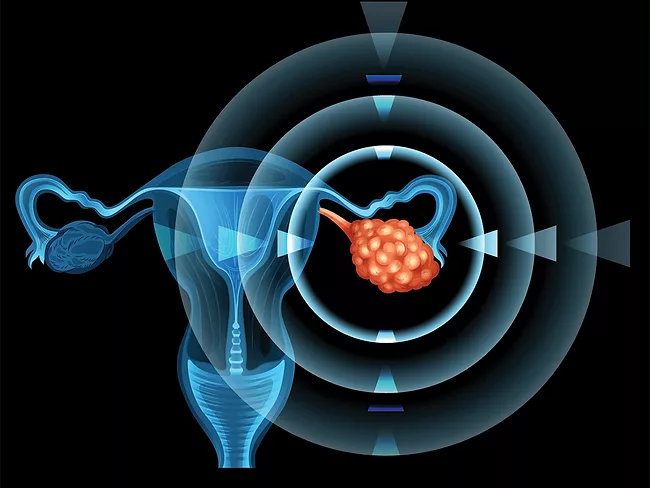
A feasibility study conducted by the University of Queensland (UQ) confirmed the utility of Inoviq Ltd.’s exosome-based ovarian cancer screening test for isolating extracellular vesicle (EV) biomarkers. The Ovarian Cancer 97 study (OC97) screened data from 97 plasma samples and identified significant differences between the EV biomarker content of ovarian cancer and healthy control samples.
Ovarian cancer is ordinarily associated with poor survival; patients diagnosed with high-grade serous ovarian carcinoma (HGSC) have an overall survival of about 40% at 5 years and 15% at 10 years. Despite having similar histologic features, HGSC patients often experience highly variable outcomes and the underlying determinants for long-term survival (LTS) are largely unknown. In a study published online in Nature Genetics, a multi-institutional group of researchers tried to determine the molecular differences that drive LTS in patients with HGSC.
Several studies have indicated that volatile organic compounds (VOCs) in exhaled breath can be altered by lung cancer and serve as identifiable biomarkers. A limitation of using these VOCs as clinical biomarkers has been the fact that hundreds of such molecules are present in exhaled breath and it is experimentally challenging to monitor the molecular concentration changes of all the VOCs and further use them in lung cancer detection.
A combination of radiation therapy and CD47 blockade induced an abscopal effect in animal studies even in animals that lacked T cells, researchers reported in the Nov. 21, 2022, online issue of Nature Cancer. The findings are “the first demonstration of T-cell-independent abscopal response,” co-corresponding author Edward Graves told BioWorld. “We’re not trying to say that all abscopal responses are macrophage-mediated. There are plenty that require T cells,” Graves clarified. But “there is another avenue of abscopal responses that has not been reported. ... All the abscopal literature is about stimulating an adaptive response.”
Global interest in radiopharmaceuticals is growing, and some big deals in the space have sparked interest in the last few years. Novartis AG has spent about $6 billion in acquisitions and is seen as the global leader.
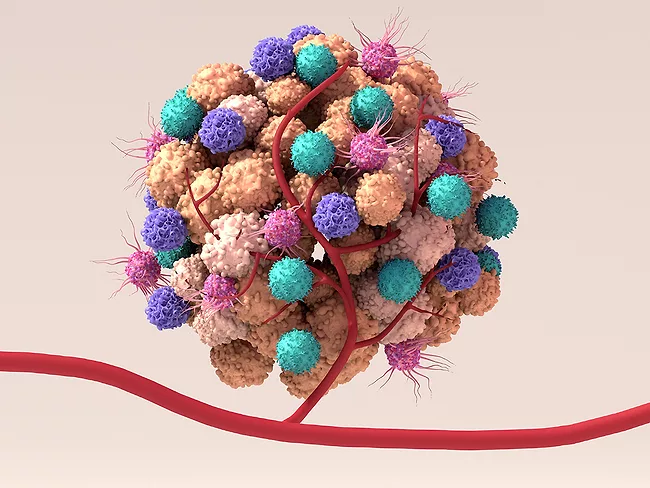
Two recent studies have reported new insights into the role of the tumor-associated microbiome in both drug response and metastasis. Researchers working at the Fred Hutchinson Cancer Center, Seattle, reported in the Nov. 16, 2022, issue of Nature that bacteria can promote the spreading of cancer as single cells with recruitment of myeloid host cells. In a parallel publication, the same team reported in the Nov. 15, 2022, issue of Cell Reports that the primary chemotherapy used to treat colorectal cancer (CRC), 5-fluorouracil (5-FU), was less effective when the tumor included bacteria that were insensitive to 5-FU antimicrobial activity.
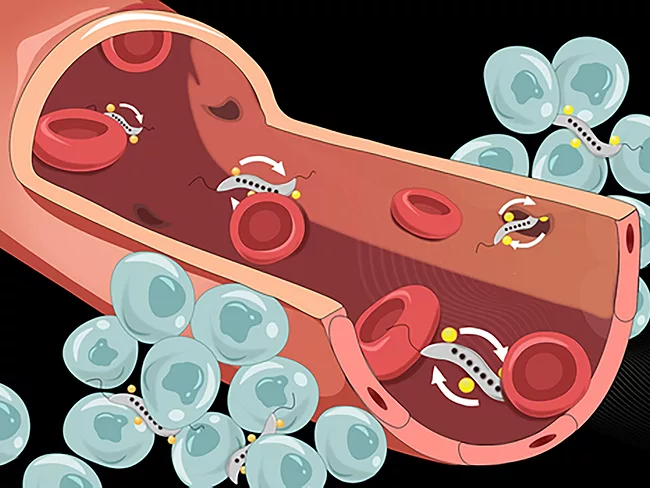
A new method for controlling naturally magnetized bacteria has improved the prospects of applying them as vehicles for intratumoral delivery of cancer drugs and in hyperthermia therapy. The advance will provide a better way of directing the movement of systemically administered bacteria, using external magnetic fields to target them to tumors sited deep in the body. It also points to a possible route for engineering existing bacteria-based anticancer constructs for better targeting.
Radiopharmaceutical company Telix Pharmaceuticals Ltd’s TLX250-CDx (Zirconium (89Zr) TX250) met both primary and secondary endpoints in the phase III Zircon study in clear cell renal cell carcinoma, according to top-line data.
Enhanc3D Genomics Ltd. has raised £10 million (US$11.3 million) in a series A round to advance development of its Genlink3D technology for directly linking gene regulators in non-coding DNA to their target protein coding genes.
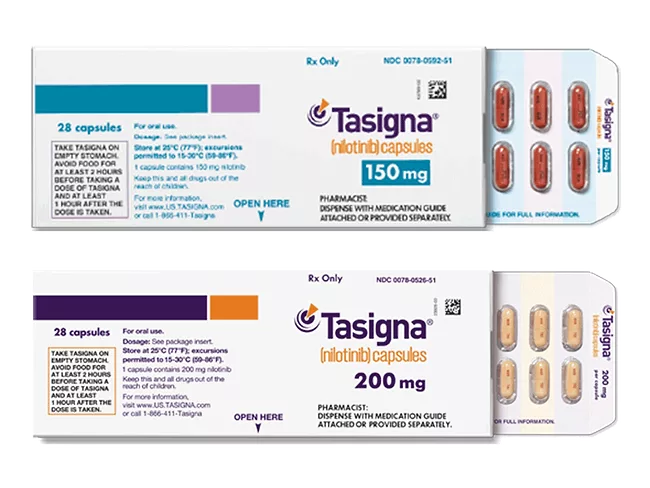
Expanding its mandate to accelerate access to essential medicines to people in low- and middle-income countries, the Medicines Patent Pool signed its first voluntary licensing agreement for a cancer treatment, Novartis AG’s Tasigna (nilotinib). A twice-daily oral drug, Tasigna is a tyrosine kinase inhibitor included on the World Health Organization’s Model List of Essential Medicines as a second-line treatment for adult and pediatric chronic myeloid leukemia.
 RSS
RSS