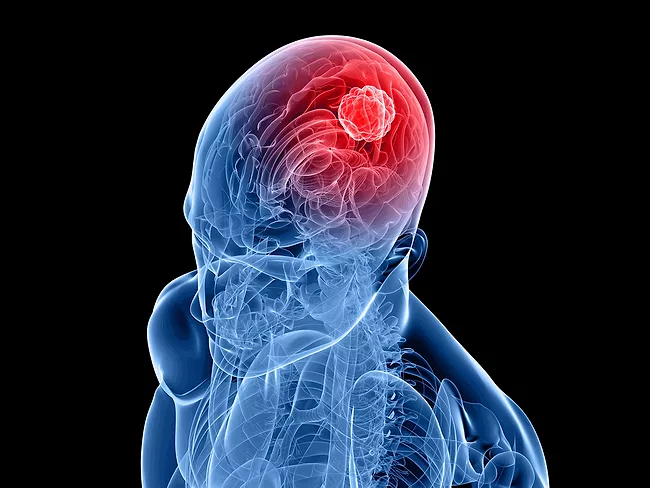
Unlike with other kinds of cancer, there’s no opportunity for a biopsy ahead of surgery for a suspected brain tumor. To help matters, researchers have developed a novel approach that combines a new, commercially available imaging technology – stimulated Raman histology (SRH) – with an artificial intelligence (AI) algorithm to offer a diagnosis of brain tumors in just a couple of minutes. They published the results of a study in the Jan. 6, 2020, issue of Nature Medicine that determined their approach was noninferior to standard pathologist interpretation of histologic images.
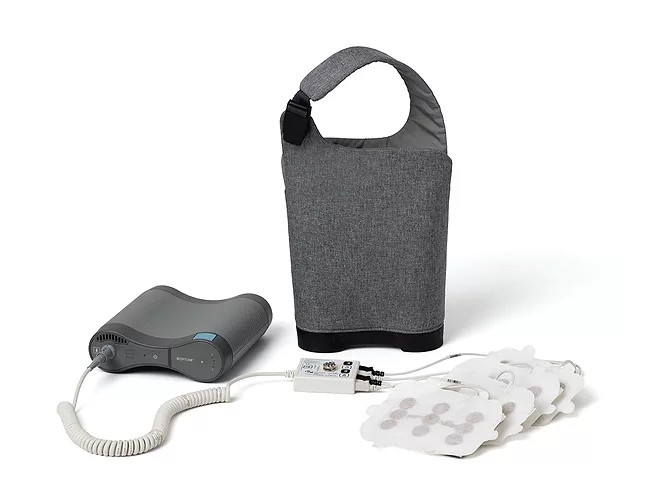
Novocure Ltd. of St. Helier, Jersey, released preliminary fourth-quarter and full-year 2019 results, showing strong momentum with its tumor treating fields (TTF) technology, a noninvasive, antimitotic therapy delivered via the Optune device. Q4 revenue is expected to hit $99.2 million, up 42% from $69.7 million in the same period last year, with anticipated full-year revenue of $351.3 million, also up 42%. In the U.S., net revenues grew 49% to $65.9 million in the last financial quarter.
HONG KONG – South Korean med tech Olive Healthcare Inc. has attracted ₩8 billion (US$6.91 million) in series B funding. The Seoul-based company is focused on abdominal fat scanning and breast cancer diagnosis, using nonradiative and noninvasive near infrared (NIR) technology, artificial intelligence (AI) algorithms, and big data processing for a customized medical service.
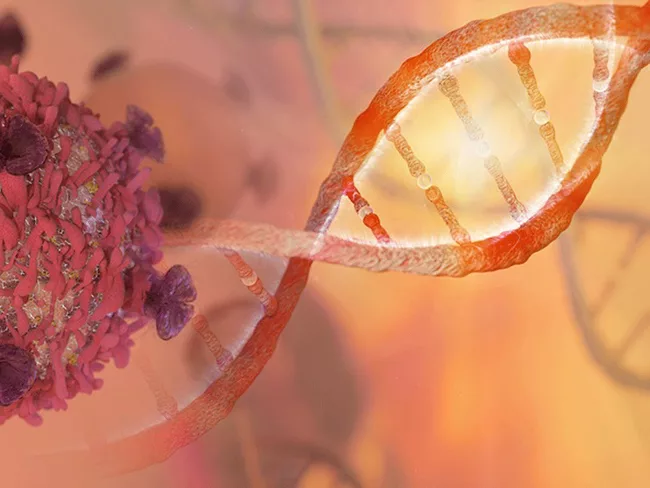
SAN FRANCISCO – Guardant Health Inc. has set the standard for liquid biopsy. That success has catapulted the Redwood City, Calif.-based company from an IPO in the fall of 2018 to a current valuation in excess of $7 billion. It has made its name – and much of its revenue – with its Guardant360 test, a molecular diagnostic test that assesses 74 cancer-related genes from the circulating tumor DNA to aid in designing the best treatment for advanced cancer patients with solid tumors.
HONG KONG – South Korean-based med-tech Lunit Inc., of Seoul, has secured ₩30 billion (US$25.6 million) in series C funding. Founded in 2013, the Korean company has raised $50 million so far. Lunit’s corporate value was evaluated at as much as ₩200 billion as of the fundraising.
Researchers at the Riken Center for Advanced Intelligence Project in Japan developed artificial intelligence (AI) technology that found previously unknown features related to prostate cancer occurrence in unannotated pathology images.
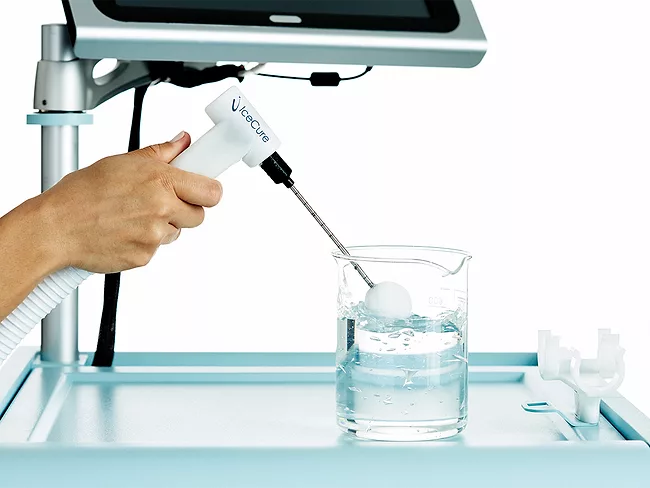
Caesarea, Israel-based Icecure Medical Ltd. has won the FDA’s nod for additional indications for its cryoablation technology, paving the way for use in kidney, liver, ear, nose and throat and new neurology indications. The agency also cleared Icecure’s new Multisense system.
A mitochondrial glutamine transporter variant of the SLC1A5 gene is a key regulator of glutamine metabolism and metabolic reprogramming in cancer cells, and targeting such transporters could be a new strategy for controlling tumor growth, Korean researchers reported online in the Dec. 19, 2019, edition of Cell Metabolism.
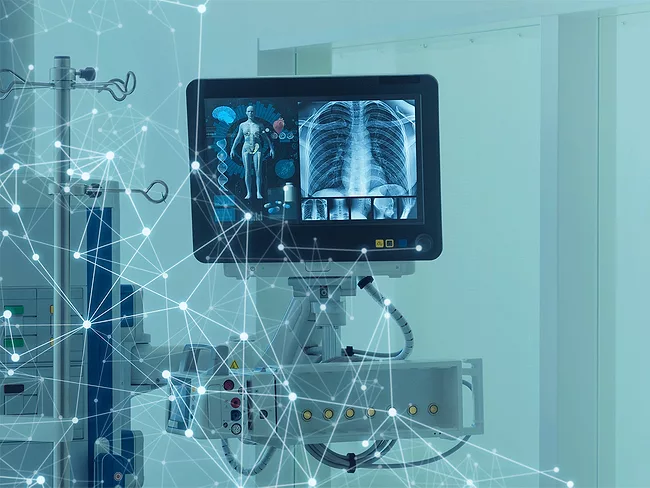
Artificial intelligence (AI) is better than humans at pattern recognition within images and other densely complex datasets. That fact has long been expected to translate into meaningful change in the way we interpret health care data, but beyond a few early exceptions that is not yet the case. Now, the research is starting to amass that demonstrates the real potential for machine learning to significantly improve diagnostics and treatment.
Check-Cap Ltd., of Isfiya, Israel, reported positive results from a U.S. pilot study of its C-Scan System, a preparation-free, ingestible scanning capsule-based technology aimed at preventing colorectal cancer (CRC) through early detection of precancerous polyps. The company is currently preparing an IDE submission with the U.S. FDA and plans to launch a pivotal clinical trial in late 2020.
 RSS
RSS