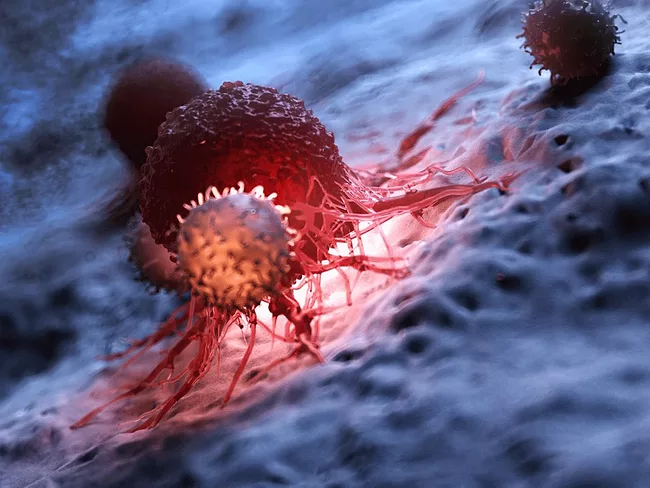
Aussie researchers have used CRISPR gene editing tools to “armor” chimeric antigen receptor (CAR) T cells to activate additional cancer-fighting proteins at the tumor site, enabling them to target cancer cells in solid tumors.
Innovent Biologics Inc. announced a HKD$4.3 billion (US$547 million) placement on the Hong Kong Stock Exchange to advance its R&D projects and to fund its global expansion.
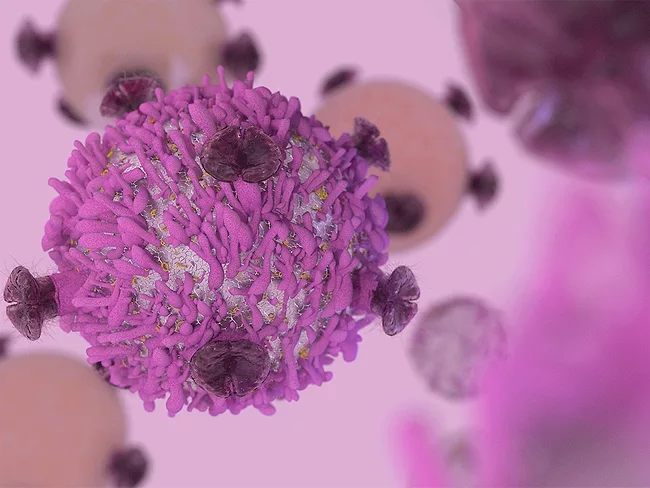
China’s National Medical Products Administration (NMPA) has accepted for review Carsgen Therapeutics Holdings Ltd.’s NDA for satricabtagene autoleucel (satri-cel, CT-041), an autologous CAR T candidate targeting Claudin18.2 for treating Claudin18.2-positive advanced gastric/gastroesophageal junction adenocarcinoma (G/GEJA) in patients who have failed at least two prior lines of therapy. Just one day earlier, Carsgen announced that it had submitted the satri-cel NDA to the NMPA.
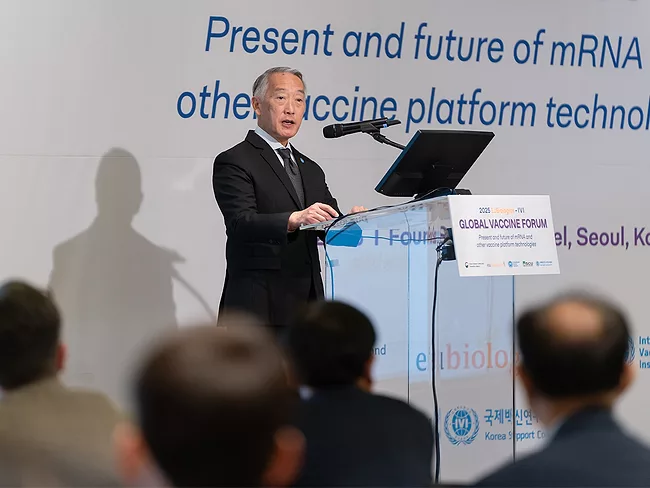
Experts in mRNA convened at the Global Vaccine Forum (GVF) 2025 to weigh the present and future of vaccine technology, including emerging innovations in self-amplifying mRNA (sa-mRNA) and drug delivery platforms.
Taiwan’s Hanchorbio Inc. is out-licensing its breakthrough checkpoint inhibitor, HCB-101, to Shanghai Henlius Biotech Inc. in a deal worth more than $200 million.
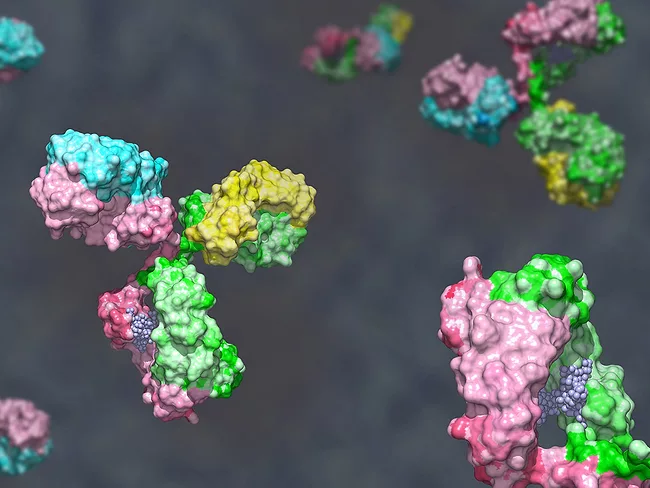
Abion Inc. signed a potential $1.315 billion deal with an anonymous partner June 22, granting the counterparty exclusive global rights to a preclinical claudin 3-targeting monoclonal antibody, ABN-501, and the potential to license four more protein targeting antibodies.
Harbour Biomed is out-licensing its B-cell maturation antigen and CD3 bispecific T-cell engager HBM-7020 for autoimmune diseases to Otsuka Pharmaceutical Co. Ltd. in a deal worth up to $670 million.
Transthera Sciences Inc. debuted on the Hong Kong stock exchange June 23 with a HK$200.95 million (US$25.6 million) IPO, becoming the latest in a string of mainland Chinese biopharmaceutical firms to turn to the Hong Kong market for capital.
Shanghai Yao Yuan Biotechnology Ltd., also known as Drug Farm, is advancing a portfolio of immune-modulating therapies for various indications including hepatitis B virus, hepatocellular cancer and a relatively new rare genetic disease called ROSAH, an acronym for retinal dystrophy, optic nerve edema, splenomegaly, anhidrosis, and headache.
Post pandemic, Moderna Inc. is broadening the applications of mRNA technology to cancer, rare diseases, latent viruses and respiratory viruses, “taking advantage” of the revenue generated by Spikevax (elasomeran), its mRNA-based vaccine for COVID-19.
 RSS
RSS