Quantumpharm Inc., known as Xtalpi Inc., announced receiving $51 million up front from a potential $5.99 billion deal with Dovetree LLC on Aug. 6. The collaboration, first inked through a letter of intent between the two parties on June 23, will combine Shenzhen, China-based Xtalpi’s AI-based and robotics-driven discovery platform with Dovetree’s “biological insights.” The goal will be to select and validate potential first-in-class candidates for Dovetree across five areas of oncology, immunology and inflammatory diseases, neurological disorders and metabolic dysregulation.
Shanghai Fosun Pharmaceutical Industry Development Co. Ltd. has identified drug-conjugates comprising a radionuclide-labeled molecular probe linked to ligand targeting fibroblast activation protein α (FAP) through a linker reported to be useful for the treatment and diagnosis of cancer.
Hepatocellular carcinomas (HCCs) are challenging to diagnose due to the tumor heterogeneity and unnoticeable early symptoms. Researchers from Anhui Medical University have developed a novel gallium 68 (68Ga)-labeled radiotracer, named [68Ga]DOTA-AngII, designed to improve the precision of HCC imaging.
DNA vaccines are a promising therapeutic approach for personalized cancer immunotherapy. However, the application of therapeutic DNA-based cancer vaccines is still limited by their variable clinical results, primarily due to suboptimal antigen selection, backbone plasmid design and the limited transfection efficacy of naked DNA administered by injection.
Starlight Therapeutics Inc., a wholly owned subsidiary of Lantern Pharma Inc., announced that the FDA has cleared STAR-001 (LP-184) in combination with spironolactone for patients with glioblastoma multiforme (GBM) at first progression.
Glioblastoma multiforme (GBM) is an aggressive brain tumor characterized by cellular heterogeneity, therapy-resistant glioblastoma stem cells (GSCs), and diffuse infiltration. Researchers at City of Hope have reported on targeting GBM using the CF17 oncolytic virus, delivered either directly or via human pluripotent stem cell (hPSC)-derived neural progenitor cell (NPC) carriers.
Protumoral perivascular tumor-associated macrophages (PvTAMs) are a subset of TAMs that promote a chemotherapy-resistant tumor microenvironment (TME) through the expression of heme oxygenase-1 (HO-1). Consequently, HO-1 represents a promising therapeutic target for reprogramming the TME and enhancing antitumor immune responses.
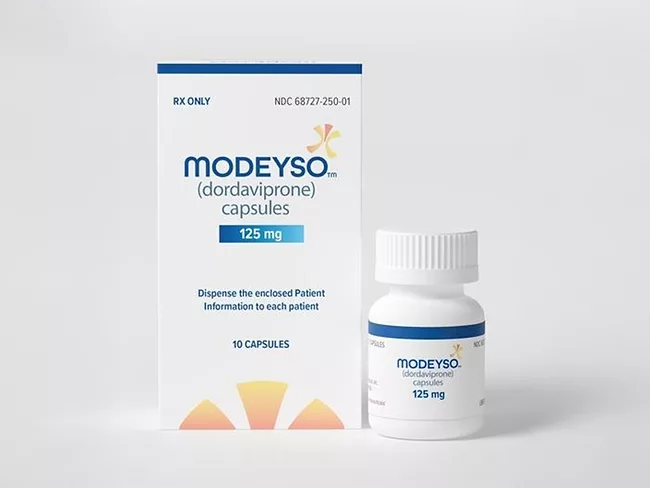
Jazz Pharmaceuticals plc is prepped and ready for launch following U.S. FDA accelerated approval of dordaviprone as the first systemic therapy for H3 K27M-mutant diffuse glioma. Branded Modeyso, the orally administered first-in-class imipridone was acquired via Jazz’s acquisition earlier this year of Chimerix Inc. in a deal valued at about $935 million.
Precision medicine is becoming a reality in Asia Pacific as more targeted therapies are being developed that are tailored to individual patients, offering a potential cure for disease. But is Asia Pacific ready to harness this transformation, and if not, what are the hurdles that need to be cleared? A new report by LEK Consulting examines Asia Pacific’s readiness for what it calls the “Precision Era,” and examines four key biopharma markets in Australia, China, Japan and South Korea.
Alicorn Pharmaceutical Co. Ltd. has synthesized protein arginine N-methyltransferase 5 (PRMT5) inhibitors reported to be useful for the treatment of cancer, genetic disorders, cardiovascular disorders, and inflammation, autoimmune, hematologic, liver and metabolic diseases, among others.
 RSS
RSS