Monte Rosa Therapeutics Inc. has synthesized molecular glue degraders comprising a E3 ubiquitin-protein ligase binding moiety coupled to a cyclin-dependent kinase 2 (CDK2)-targeting moiety acting as cyclin-dependent kinase 2 (CDK2) degradation inducers potentially useful for the treatment of cancer.
When used as monotherapy against tumors, small molecules that mimic the SMAC protein and thereby inhibit apoptosis are ineffective. The same is true for inhibitors of BET family proteins. If each therapy on its own does not work, what about the two therapies together?
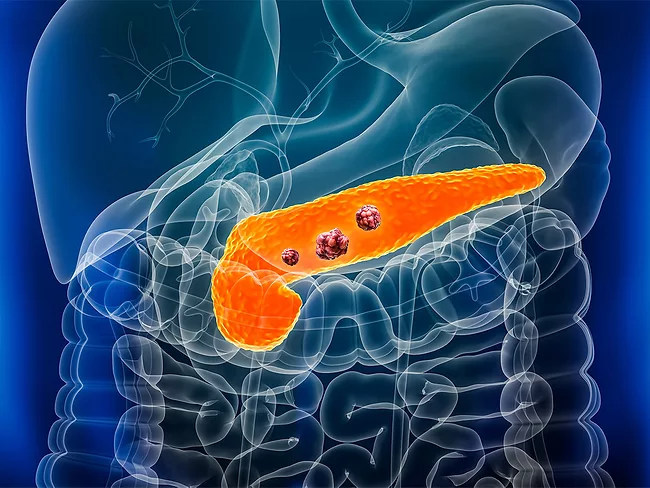
Pancreatic cancer remains one of the deadliest cancers, with survival rates showing little improvement over decades and projections placing it as the second leading cause of cancer deaths by 2030. Chemotherapy is essential for all patients, yet most tumors lacking BRCA1/2 or PALB2 mutations show resistance to cisplatin. Growing evidence suggests that targeting nuclear factor NF-κB, a key driver of cancer progression, could help overcome this chemoresistance and improve treatment outcomes.
Glioblastoma, the most aggressive and lethal form of brain cancer in adults, has long evaded effective treatment due to its resistance to standard therapies, including surgical resection, radiation, chemotherapy and targeted agents.
A recently published study in the Journal for Immunotherapy of Cancer presents a novel bispecific antibody-cytokine fusion protein that effectively enhances antitumor immunity.
Starpharma Holdings Ltd.’s stock shot up 73% on the news that it is outlicensing its dendrimer enhanced product drug delivery technology to Roche Holding AG subsidiary Genentech Inc. in a deal worth more than $569 million.
The U.S. FDA approved Merck & Co. Inc.’s Keytruda Qlex (pembrolizumab and berahyaluronidase alfa-pmph) injection on Sept. 19, making it the first and only subcutaneously (SC)-administered immune checkpoint inhibitor that can be administered in about a minute.
Two back-to-back papers published in Nature on Sept. 10, 2025, shed new light on the unexpected role of neurons in shaping the evolution of small-cell lung cancer (SCLC). It’s already known that, in gliomas, cerebral cancer cells actively damage axons, contributing to tumor progression through direct neural disruption.

 RSS
RSS