Carbonic anhydrase IX (CAIX, CA9) is a membrane-associated isoform of the α-carbonic anhydrase enzyme family, involved in pH regulation and the acidification of the tumor microenvironment (TME) in solid tumors. It is widely recognized as a marker of tumor hypoxia and serves as a prognostic indicator in multiple human cancers.
Esophageal cancer is a malignant disease with high incidence and mortality, where esophageal squamous cell carcinoma (ESCC) is the most common histological subtype. To improve therapeutic approaches for ESCC, it is key to explore the mechanisms behind the disease and find targeted inhibitors.
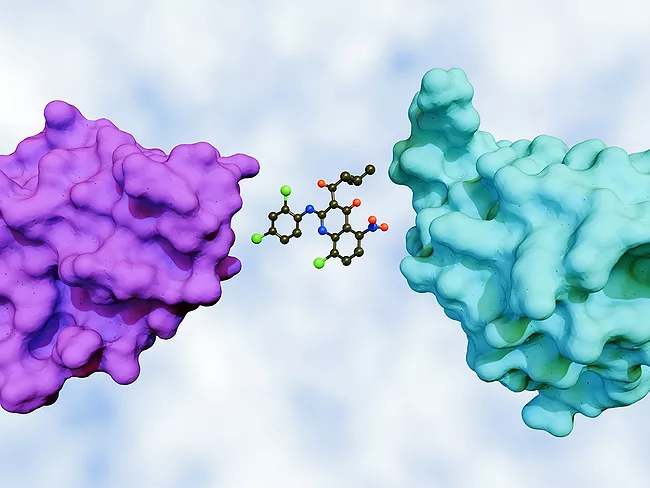
Degradation is a therapeutic strategy that could offer possibilities to get at currently undruggable target proteins. In targeted degradation, compounds induce interactions between a target protein and a protein that can tag the target for degradation. In principle, there are several pathways that could be used for such tagging; the most attention has gone to ubiquitin ligases, in particular cereblon, a protein that is part of a ubiquitin ligase complex and the target of several approved drugs.
The first systematic whole genome sequencing study of how chemotherapy damages healthy tissues has shown that many, but not all, of these agents cause mutations and premature aging of normal blood cells.
Zhuhai Yufan Biotechnologies Co. Ltd. has identified molecular glue degraders comprising an E3 ubiquitin protein ligase-binding agent covalently bound to a DNA-binding protein Ikaros (IKZF1)-targeting moiety acting as IKZF1 degradation inducers potentially useful for the treatment of cancer, autoimmune disease, neurodegeneration and inflammatory disorders.
Innocare Pharma Ltd. has obtained IND approval from China’s National Medical Products Administration (NMPA) to initiate a clinical trial of the B7-H3 targeted antibody-drug conjugate.
Brightpath Biotherapeutics Co. Ltd.’s iPS cell-derived BCMA CAR-natural killer T cell therapy candidate has been awarded orphan drug designation by the FDA for the treatment of multiple myeloma.
A recent study published in the Journal for Immunotherapy of Cancer has revealed a promising new approach for the treatment of glioblastoma (GBM), an aggressive and incurable form of primary brain cancer.
Lunit Inc. reported a new collaboration with Microsoft Corp. July 2 to jointly develop medical AI programs accessible on Microsoft’s Azure cloud platform.
 RSS
RSS