Colorectal cancer (CRC) is one of the digestive tract cancers with the highest prevalence. Cancer immunotherapy for CRC brings substantial benefit to patients, but the development of resistance mechanisms and relapsing processes along with immune escape call for new treatment options.
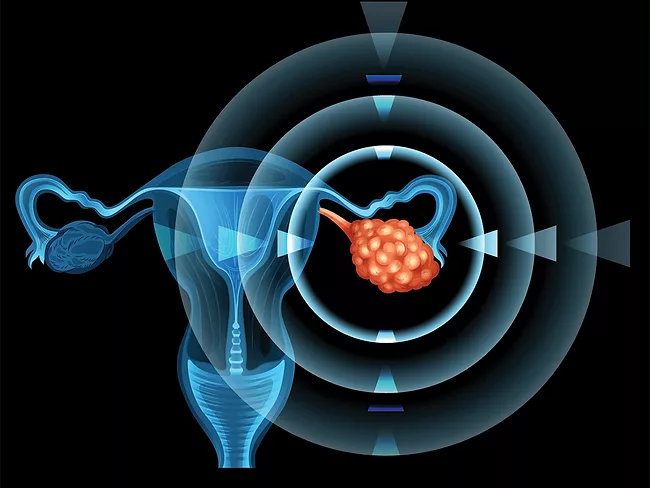
Researchers from Imperial College of Science, Technology and Medicine have reported results of preclinical evaluation of THEO-260, a novel oncolytic virus for the treatment of stromal-rich tumors. The candidate is currently in development for late-stage relapsed refractory ovarian cancer.
Panbela Therapeutics Inc. has entered into a sponsored research agreement with The University of Texas MD Anderson Cancer Center for the evaluation of polyamine metabolic inhibitor...
New and updated preclinical and clinical data presented by biopharma firms at the American Society of Clinical Oncology annual meeting, including: Akeso, Ascentage, Astrazeneca, Chimeric, CSPC, Daiichi Sankyo, Elevation Oncology, Iaso, Immutep, Immvira, Innovent, Nkgen, Transcenta.
Elgen Therapeutics Inc. has described histone-lysine N-methyltransferase 2A (KMT2A, MLL1) inhibitors reported to be useful for the treatment of cancer.
Chengdu Baiyu Pharmaceutical Co Ltd. has divulged poly(ADP-ribose) polymerase 1 (PARP-1; ARTD1) inhibitors with improved blood-brain barrier penetration ability and reported to be useful for the treatment of cancer.
Chia Tai Tianqing Pharmaceutical Group Co. Ltd. has identified proteolysis targeting chimeras (PROTACs) comprising cereblon (CRBN) ligands coupled to a Bruton tyrosine kinase (BTK) targeting moiety via linker and thus acting as BTK degradation inducers.
 RSS
RSS