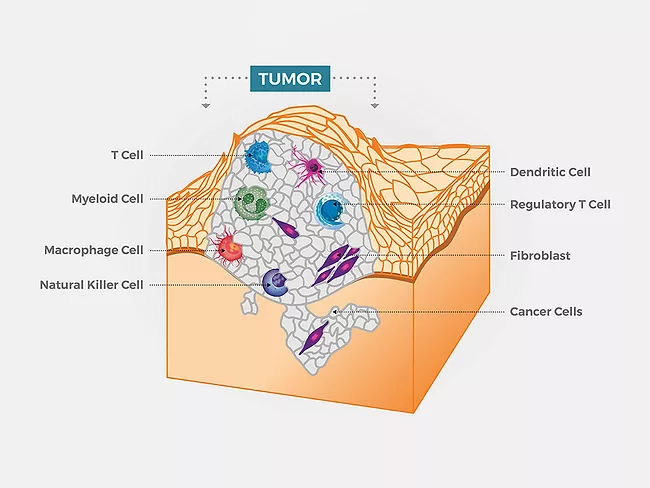
The infiltration of regulatory T cells (Tregs) into the tumor microenvironment and a low ratio of effector T cells to Tregs is usually tied to tumor progression and poor prognosis. On the other hand, interleukin-2 receptor subunit α (IL-2-RA) is highly expressed on Tregs.
Researchers from Flare Therapeutics Inc. presented the discovery of a first-in-class covalent peroxisome proliferator-activated receptor γ (PPARγ) inverse agonist, FX-909, being developed for the treatment of urothelial cancer (UC). Synthesis and optimization of covalent lead series of agonists of the PPARγ lineage transcription factor led to the discovery of FX-909 as the lead covalent PPARγ inverse agonist with powerful repressive conformational biasing activity.
Daiichi Sankyo Co Ltd. has experienced yet another setback with its quizartinib NDA submission, as the U.S. FDA has now extended the review period by three months to July 24, 2023, to allow additional time to review requested updates to the proposed Risk Evaluation and Mitigation Strategies. No additional efficacy or safety data has been requested.
New and updated clinical data presented by biopharma firms at the American Association for Cancer Research annual meeting, including: Innovent, Primmune.
Researchers from The Chinese University of Hong Kong and collaborators have discovered a promising target for immunotherapy in non-small-cell lung carcinoma (NSCLC). Their study investigated the regulation of tumor-associated neutrophils (TANs), in particular TGF-β1/Smad3 signaling, and their response to the microenvironment in NSCLC patients.
Caraway Therapeutics Inc. has divulged mucolipin (MCOLN; TRPML) activators reported to be useful for the treatment of metabolic diseases, aging, cancer, ciliopathy, neurodegeneration and muscle disorders.
PHI-501 is a novel pan-RAF inhibitor being developed for acute myeloid leukemia. Big data, an artificial intelligence (AI)-based drug discovery platform and cell-based investigation identified PHI-501 as potentially useful against melanoma, and researchers from Pharos Ibio Co. Ltd. presented preclinical evaluation of the drug for this new indication.
Researchers from Alpha Cancer Technologies Inc. and affiliated organizations presented data from a study that aimed to assess the effects of ACT-101-maytansinoid conjugates in models of colorectal cancer.
Cyclin-dependent kinases (CDK) are serine/threonine kinases that act as regulatory enzymes involved in cell proliferation. The dysregulation of CDK activity occurs through overexpression of cyclin E1, a binding partner of CDK2, which is observed in several cancers such as high-grade serous ovarian cancer (HGSOC), bladder cancer, gastric cancer and estrogen receptor-positive breast cancer, among others. Selective inhibition of CDK2 may thus be considered a therapeutic approach to regaining cell cycle control.
 RSS
RSS