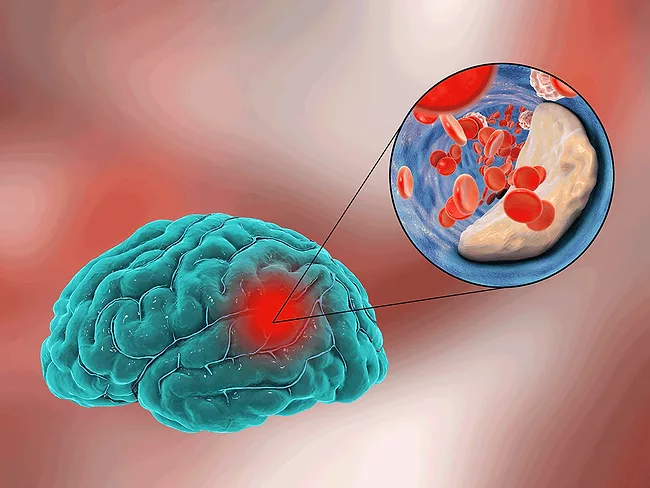
Esculetin, also known as 6,7-dihydroxycoumarin, is a coumarin-derived phytochemical that has shown effects against ischemic stroke. Additionally, chemokine-like factor 1 (CKLF1) has been revealed in previous findings to be a target for stroke when using coumarin-derived compounds. The effects of esculetin and the potential involvement of CKLF1 were tested in photothrombotic stroke in mice.
Researchers from Edgewise Therapeutics Inc. presented preclinical data for the cardiac sarcomere modulator, EDG-7500, which is being developed for the treatment of hypertrophic cardiomyopathy (HCM) and other diseases of diastolic dysfunction.
Researchers from the University of Pennsylvania have successfully inhibited vasohibin enzymes (VASH) with SVC-01 and SVC-02 in the ZSF1 obese rat model of heart failure with preserved ejection fraction (HFpEF).
Arrhythmogenic cardiomyopathy (ACM) is a severe genetic cardiac disorder caused by mutations in some desmosomal genes. The most frequently affected gene in patients with ACM is PKP2, the loss of which provokes desmosomal instability that leads to activation of downstream disease processes ultimately resulting in life-threatening ventricular arrhythmia and heart failure.
Heart failure (HF) accounts for 9.2% of all cardiovascular-related deaths. HF with preserved ejection fraction (HFpEF) occurs when the left ventricular ejection fraction (LVEF) is ≥50%.
Hua Medicine (Shanghai) Co. Ltd. has synthesized ketohexokinase (KHK) inhibitors reported to be useful for the treatment of gout, stroke, coronary artery disease, irritable bowel syndrome, diabetes, cataracts, fibrosis and obesity.
Sirnaomics Ltd. has completed IND-enabling studies for STP-125G, a single-stranded siRNA therapeutic targeting apolipoprotein C3 (ApoC3), based on its proprietary Galahead mxRNA technology.
Researchers have hypothesized that asparagine-linked glycosylation protein 3 homolog (ALG3) may be involved in the pathogenesis of preeclampsia by impacting the function of trophoblasts. Preeclampsia is still the leading cause of maternal and perinatal mortality and morbidity, but the mechanism behind it is still not clear.
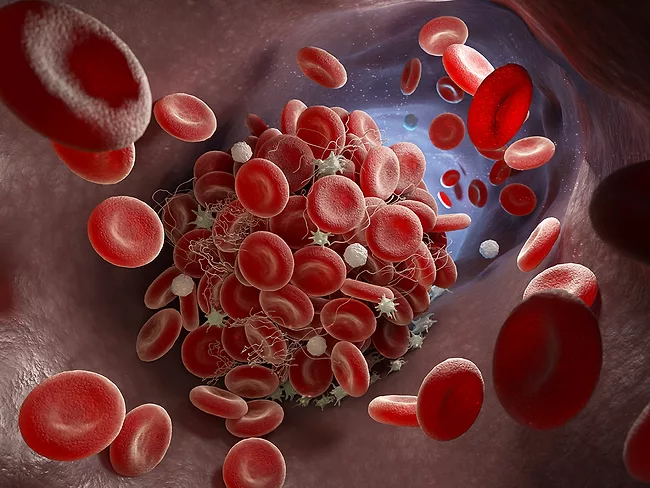
Von Willebrand factor (vWF) plays a crucial role in hemostasis, and elevated levels are associated with risk of thrombosis. Gain-of-function mutations in the C-domain of vWF are linked to an increased risk of thrombosis. Previous work has shown that disrupting cysteine-rich C-domain in vWF led to reduced platelet recruitment in a shear-dependent fashion, making it a promising target for pharmacology. Apollo Therapeutics Ltd. has presented data on antibodies targeting the C-domain of vWF, including AP-21 as antithrombotics.
Scientists at F. Hoffmann-La Roche Ltd. and Hoffmann-La Roche Inc. have identified NLRP3 inflammasome inhibitors reported to be useful for the treatment of cardiovascular disorders.
 RSS
RSS