The U.S. FDA expanded the approval for use of Boston Scientific Corp.’s Watchman Flx and Watchman Flx Pro left atrial appendage closure (LAAC) devices to include post-ablation patients, bringing good news to the company as it preps for its second quarter earnings report on July 23.
Heartflow Inc. continued the steady rhythm of med-tech companies filing to go public, with an S-1 submitted to the U.S. SEC on July 17. The company joins 15 others that have completed IPOs in 2025 and one other in process – Carlsmed Inc., which a company spokesperson told BioWorld is expected to begin trading on the Nasdaq on July 22.
Abbott Laboratories’ second quarter results echoed Johnson & Johnson’s, with med tech performing the hero’s work with strong growth. Overall, Abbott slightly beat expectations with sales up 6.9% overall compared to 2Q 2024, largely boosted by the med-tech unit’s organic revenue increase of 12.2%, and worldwide sales for the quarter of $11.1 billion. Diabetes provided a particularly bright spot with 19.5% year-over-year growth for continuous glucose monitoring devices.
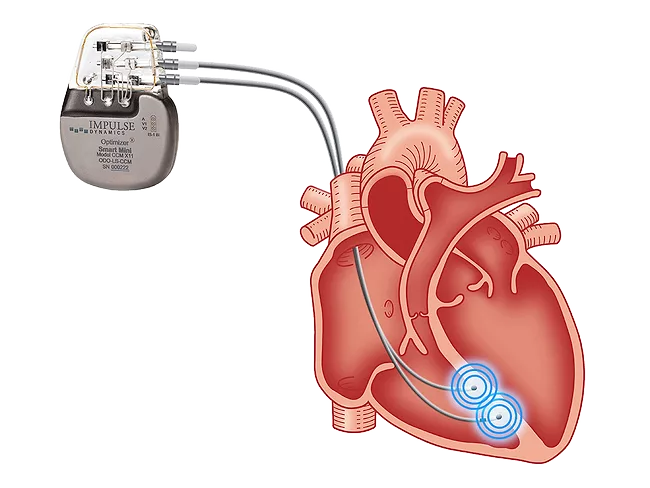
The U.S. Centers for Medicare & Medicaid Services (CMS) has issued a draft coverage memo for cardiac contractility modulation (CCM), which offers coverage with evidence development for the company’s Optimizer line of devices. CMS said it will issue the final coverage memo by Oct. 8, 2025, which will mark the achievement of an objective the company set for itself more than two decades ago.
Caranx Medical SAS secured clearance from the U.S. FDA for Tavipilot Soft, its AI-powered software which provides real-time intraoperative guidance during transcatheter heart valve replacement (TAVR) procedures. The software, which tracks anatomical and instrumental landmarks in real-time to enable precise and accurate heart valve positioning and delivery, will allow a broader number of cardiologists to perform this complex procedure.
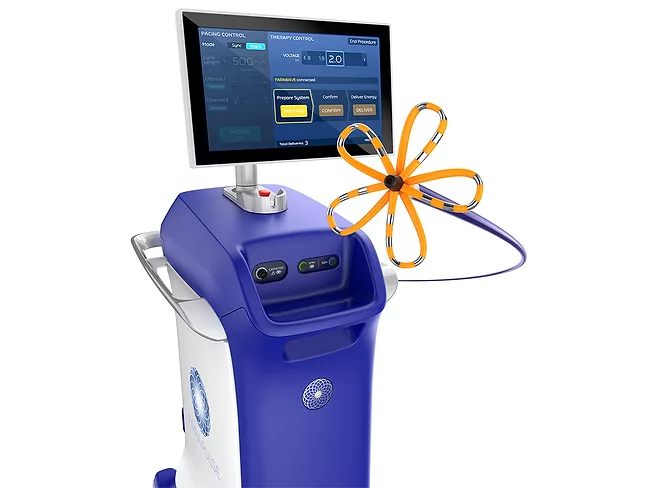
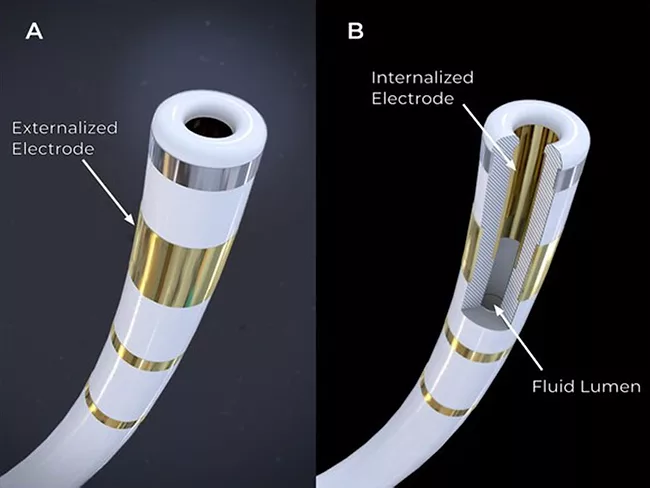
The U.K. National Institute for Health and Care Excellence (NICE) has endorsed the use of pulsed field ablation for atrial fibrillation, and while several trusts in the U.K. are already using these devices for their patients, the endorsement is certain to expand utilization in the U.K., which according to data from Clarivate’s Epidemiology Intelligence may come to nearly 4 million.
The U.K.’s National Institute for Health and Care Excellence (NICE) recommends the use of pulsed field ablation as an option to treat NHS patients with atrial fibrillation. NICE said evidence shows the procedure reduces atrial fibrillation and its symptoms, increases quality of life in the short term and raises no major safety concerns.
Boston Scientific Corp. gained a second U.S. FDA approval for its Farapulse pulsed field ablation catheter, expanding its use into drug-refractory, symptomatic persistent atrial fibrillation (AF) in addition to its existing approval for paroxysmal AF. The expanded indication marks the first of several regulatory approvals the company expects in the coming months.
Field Medical Inc. continues to reap funding from investors for its pulsed field ablation (PFA) system with a $35 million oversubscribed series B financing round. With treatment of atrial fibrillation already upended by PFA technology, Field sees ventricular tachycardia as a fertile new territory for transformation.
Lunit Inc. reported a new collaboration with Microsoft Corp. July 2 to jointly develop medical AI programs accessible on Microsoft’s Azure cloud platform.
 RSS
RSS