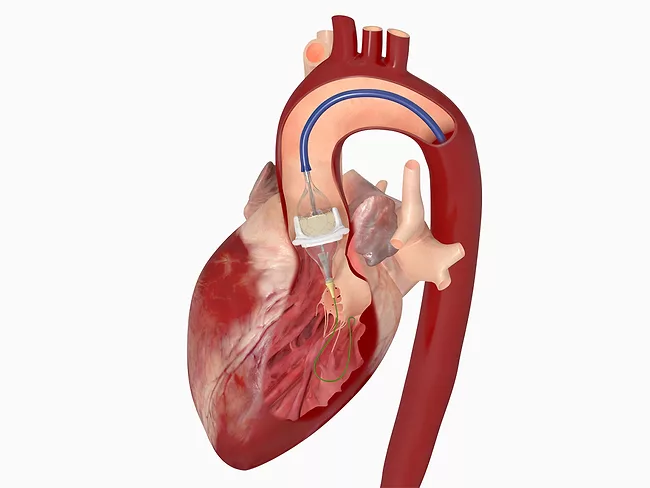
Edwards Lifesciences Corp.’s posted fourth quarter results slightly ahead of expectations, but indicated that the first quarter of 2025 might not be as bright. The company expects growth for both its lead transcatheter aortic valve replacement (TAVR) business and the company to fall below its full-year estimates, with a mid-year indication expansion for TAVR providing a critical boost in the back half of 2025.
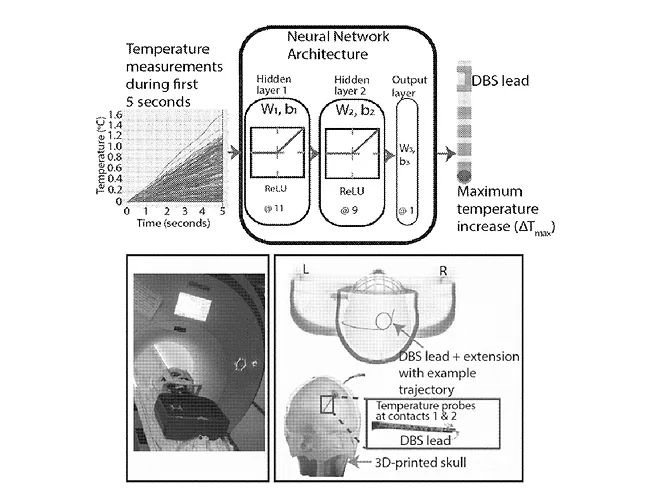
A recent patent application from Laleh Rad, associate professor of Biomedical Engineering and Radiology at Northwestern University, describes the use of machine learning for real-time risk assessment of magnetic resonance imaging in patients with conductive implants for whom tissue heating from radiofrequency excitation fields remains a major concern.
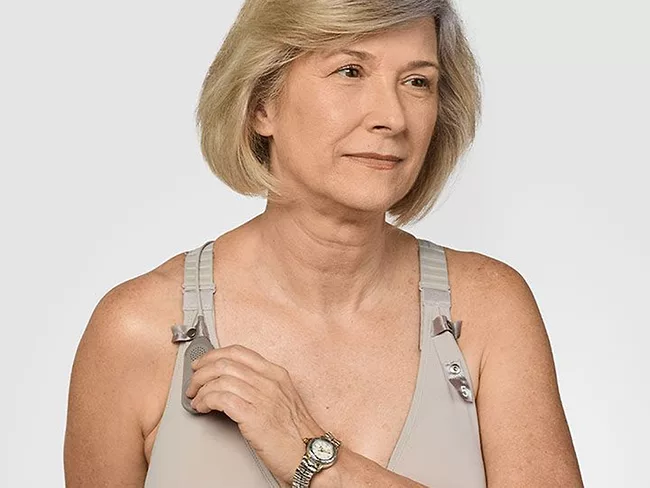
Be (not too) still my heart: Kestra Medical Technologies Ltd., maker of a wearable cardioverter defibrillator for patients at high risk of cardiac arrest, filed an S-1 with the U.S. SEC on Feb. 9 to raise $100 million in an IPO. Kestra will be the fourth med-tech company to file for an IPO in 2025, setting a pace well ahead of the last three years. U.s.car
A 1,000-person study using Heartflow Inc. technology demonstrated that findings of coronary plaque on heart CT scans could indicate which patients were at risk of cardiovascular events up to seven years in the future – potentially providing a road map toward screening for heart disease, the leading cause of death for both men and women in the U.S. and worldwide.
The U.S. national coverage analysis for transcatheter tricuspid valve replacement drew support from cardiologists and device makers alike, but the Medical Device Manufacturers Association is urging CMS to plan ahead in its final coverage memo and consider the coverage needs outside the confines of the existing U.S. FDA-approved device.
The med tech patent wars conscripted another two companies via a patent infringement lawsuit between Inari Medical Inc. and Imperative Care Inc. — a struggle that is playing out in a California district court.
As pulsed field ablation transformed the electrophysiology market over the last year, Boston Scientific Corp. emerged as the biggest winner by far. In its fourth quarter earnings call on Wednesday, the company quantified just how successful its Farapulse PFA system has been.
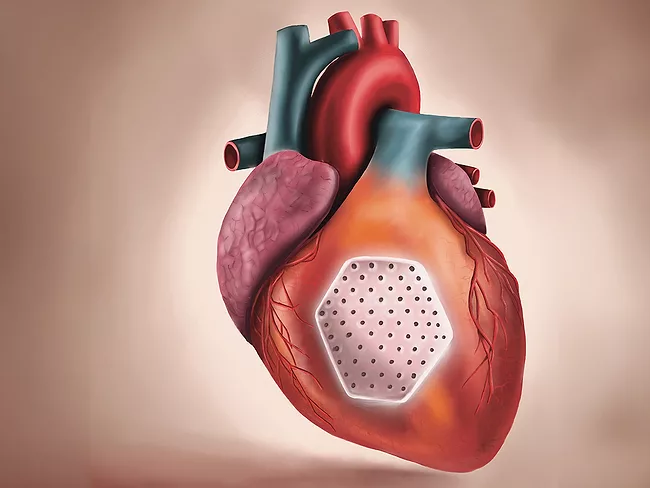
Implanted patches of iPS cell-derived heart muscle integrated with heart tissue in a primate model of heart failure, and in patients being treated in a clinical trial, marks progress toward a potential option for patients with advanced heart failure.
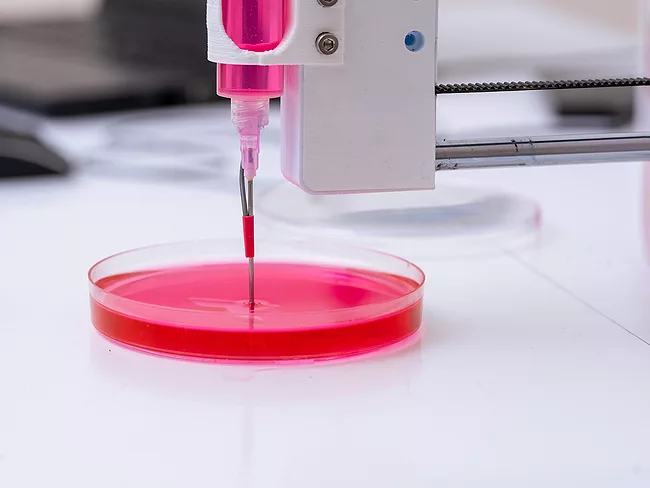
A new bioprinting platform to create tissues that can change shape as a result of forces generated by the cells, similar to what happens naturally during organ development, was developed by researchers from the University of Galway, Ireland.
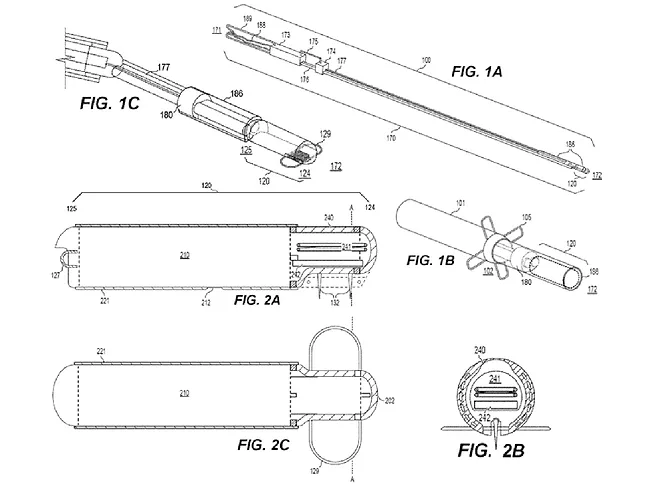
Researchers from Children’s Hospital Los Angeles and the University of Southern California filed for protection of a pacemaker with a unique shape and configuration which is low profile.
 RSS
RSS